


I once dismissed gacha games as shameless cash grabs that thrive on fluent addiction. Now, I’m hooked on Wuthering Waves and Zenless Zone Zero. Somehow, they’re not just competing with traditional RPGs: they’re surpassing many of them.
So, what makes them so darn compelling? Well, I think I know why.
Jumping in Has Never Been Easier
One of the biggest reasons modern gacha RPGs are on the winning side is that they don’t ask for much upfront. No $70 price tag, no massive time sink right out of the gate, no “please set aside 300 hours to complete this narrative masterpiece.” Just download, press start, and boom, you’re in.
Most of them are free-to-play, which means you can check them out with zero commitment. Traditional RPGs, on the other hand, demand you cough up cash before you even know if the game is your style or fancy. And if it isn’t? Congratulations, you just paid $70 bucks for pure disappointment. Gacha RPGs let you test the waters before you drown in them, a big testament to their widespread success.
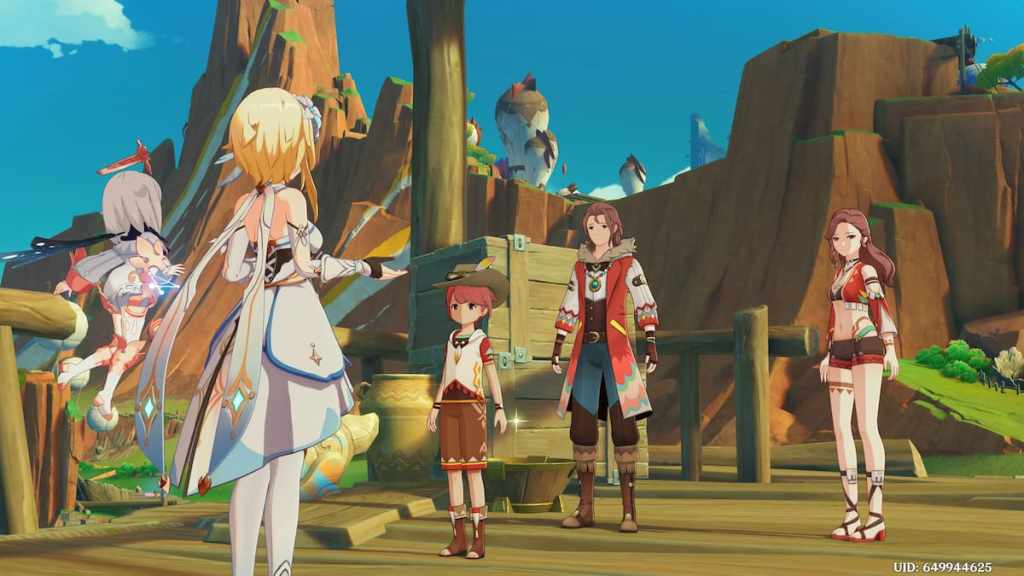
They’re also playable everywhere. Phone? Check. PC? Check. Some are even on console. That means you can grind while lying in bed, on the bus, or pretending to listen during Zoom meetings. Try doing that with your giant RPG backlog on Steam and let me know how that works out for you.
Fun Without the Hassle
Traditional RPGs can be like that one friend who overexplains everything before you even get started. Before you get into the game properly, you’re bombarded with tutorials, extraneous lore dumps, and menus stacked like a fast-food combo meal. Gacha RPGs keep it snappy. That isn’t to say that gacha games are sinless here, but it’s obvious which type of RPG has this occur more often.
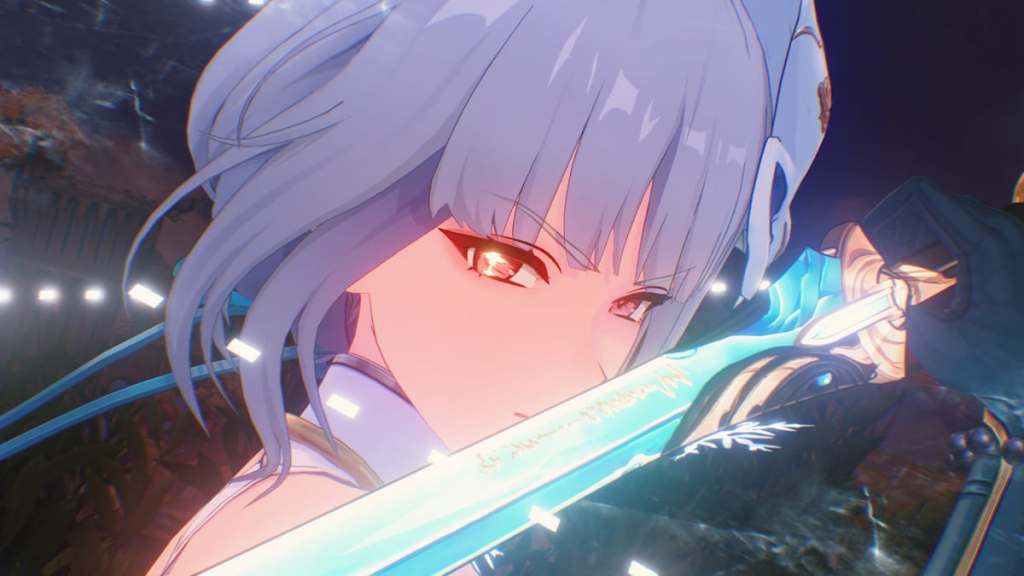
It is in a gacha RPG’s best interest to streamline gameplay and remove unnecessary grinding while still keeping things engaging. Auto-battle mechanics, daily login bonuses, and well-paced progression mean you can enjoy the game without feeling like you just took on a part-time job. Sure, some purists argue this makes them “too easy,” or “not engaging”, but who cares? Fun is fun, and gacha games deliver it in digestible bites. I can’t say I’m a huge fan of the auto batte mechanics though. Ruins the whole ‘interactivity’ aspect of a video game. But, if it’s fun for some people, who am I to judge?
And let’s not forget combat. Traditional RPGs sometimes get bogged down with slow, turn-based mechanics. Gacha RPGs often throw in flashy real-time action, combo systems, or hybrid battle styles that keep things exciting. It’s like choosing between a slow-burn novel and a high-octane anime fight scene. There’s a time and place, and sometimes, you just want the action.
Free, Forever, and Longevity
One of the sneakiest things about gacha RPGs is how they just never end. Traditional RPGs give you a grand journey, sure, but once you reach the credits, that’s usually it. Maybe there’s some DLC down the line, but otherwise, it’s onto the next game.
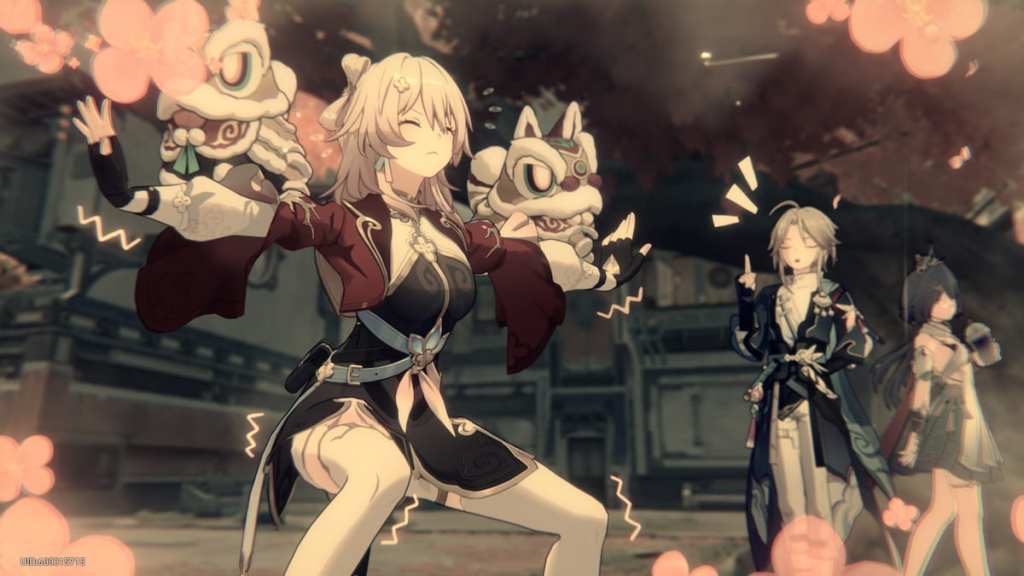
Gacha RPGs though? They don’t know how to stop… or when. New characters, new events, fresh story content: there’s always something happening. The moment you think, “Okay, I’ve done everything,” the developers drop an update that drags you back in. It’s like being in a long-term relationship with a game that keeps reinventing itself to stay interesting. That’s not to say all “forever” gacha RPGs are created equal. The triple-A gacha RPGs might brag about their immortality, but the ones that… let’s say, aren’t exactly winning any awards, tend to get forgotten faster than a bad first date.
The free-to-play model also means you can stick around without spending a dime. Sure, there are plenty of ways to empty your wallet, but the best gacha RPGs let dedicated players progress without paying. Compare that to traditional RPGs, where once you finish the game, the only way to get more is to buy another full-priced title. Again, not necessarily a bad thing if the title is pure quality like Elden Ring or Monster Hunter, but not a good look otherwise.
The Fear of Missing Out
If there’s one thing gacha RPGs do better than anything else, it’s making you feel like you’ll miss out on something incredible if you don’t log in today. FOMO, or the fear of missing out, is what the industry likes to call this psychological phenomenon — and it is hardly a good thing. But Limited-time events, exclusive characters, and special rewards… it’s like a never-ending party where the bouncers constantly tell you, “Get in now or regret it forever.”
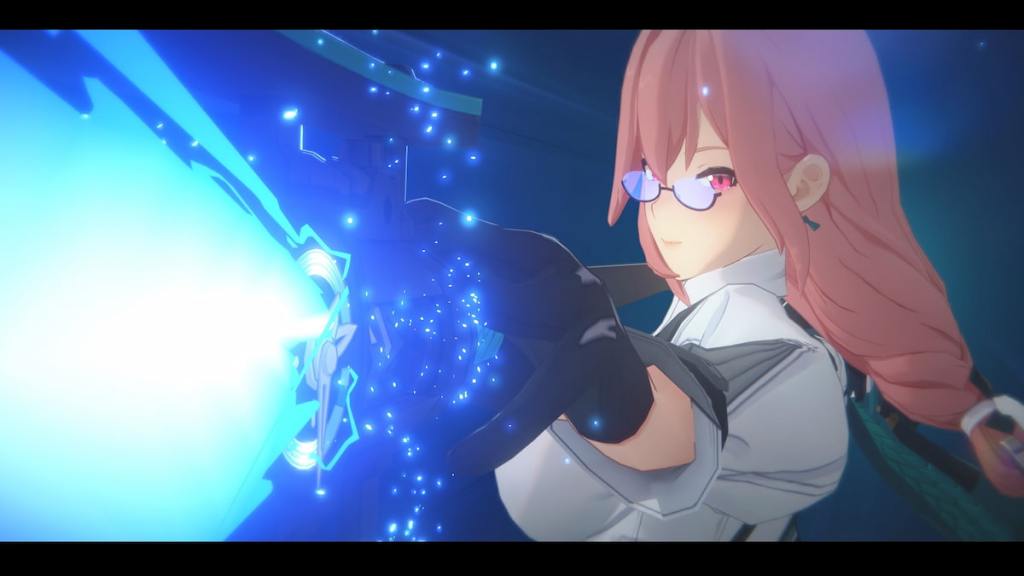
Traditional RPGs don’t have this to lean on. Their biggest hook is usually, “Play this because it’s good.” Gacha RPGs? They add, “Also, if you don’t log in this week, you’ll never get this ridiculously overpowered swordsman with a tragic backstory.” And suddenly, you’re playing every day just to make sure you don’t miss out.
It might sound exploitative, and it absolutely is, but wow does it work. Players keep coming back, staying invested, and actually engaging with the game long-term.
Mobile Games, Who?
There was a time when mobile RPGs looked like they were cobbled together in a weekend. Not anymore. Games like Genshin Impact and Honkai: Star Rail have production values that rival big-budget console titles. Gorgeous open worlds, full voice acting, cinematic cutscenes; these games have it all.
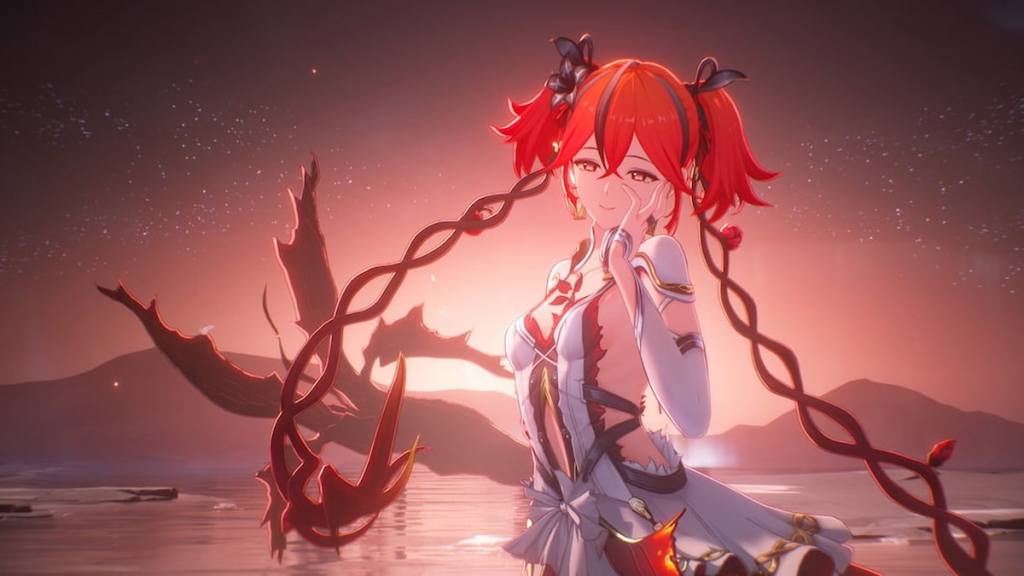
Even traditional RPGs struggle to maintain that level of consistent polish. Indie RPGs often lack the resources, and even some big-budget ones take years to develop and still launch unfinished. Gacha RPGs, with their continuous revenue streams, can afford to keep things looking sharp all the time, and that is a massive benefit for them.
The Social Aspect
Traditional RPGs are usually solo affairs. You go on a grand adventure, save the world, and then… that’s it. Gacha RPGs, though? They turn the experience into a shared event.
With co-op modes, leaderboards, and community events, these games make you feel like you’re part of something bigger. There’s always a discussion happening, whether it’s about the newest character drop, the best team comps, or someone lamenting their terrible luck on the latest banner.
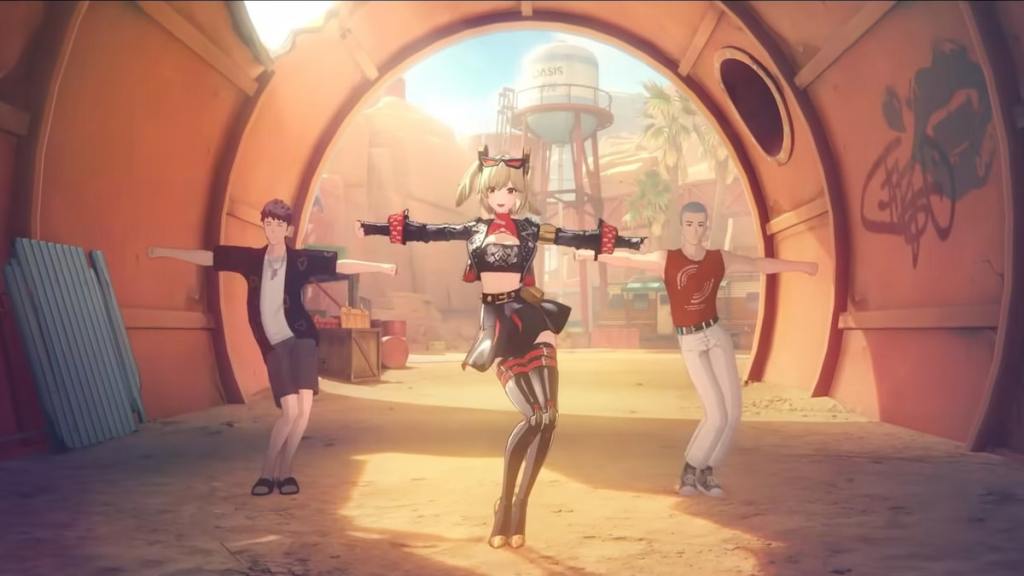
Social media also plays a massive role. Big character releases in gacha RPGs generate the kind of excitement usually reserved for major movie premieres. Just look at how much the Internet blew up with all the Burnice marketing that came out for Zenless Zone Zero. Mocktails, mixers, ice? It was insane. Meanwhile, traditional RPGs drop a new expansion, and unless it’s Final Fantasy, Monster Hunter, or Elden Ring, most people don’t even notice.
The Future of RPGs?
Despite their shady monetization tactics, modern gacha RPGs have figured out how to keep players engaged in a way traditional RPGs struggle with. They’re easy to jump into, fun to play, constantly evolving, and visually impressive. And let’s be honest, FOMO is one heck of a motivator.
Traditional RPGs aren’t going anywhere, but they might have to start borrowing some of these tactics and improvising if they want to keep up. Love them or hate them, the gacha RPG has changed the game. And judging by their success, they aren’t slowing down anytime soon.


