


Resonance: A Plague Tale Legacy jumped me right off the bat, as I had expected a completely different game based on my experience with previous entries in the franchise. While I anticipated a linear, slow, stealth-focused game, what I got was a very involved, high-octane adventure full of emotion, action, and haunting imagery and what felt like a culmination of many years of Asobo’s creativity.
This title is the pinnacle of the Plague Tale franchise, refined and polished to achieve a new level of linear storytelling, one complete with rewarding exploration, secrets, and mysteries to unravel.
I loved every bit of it, and even if it was somewhat repetitive at times, Resonance is truly Asobo’s crowning achievement.
Here is our full review.
(Don’t) Fear the Minotaur
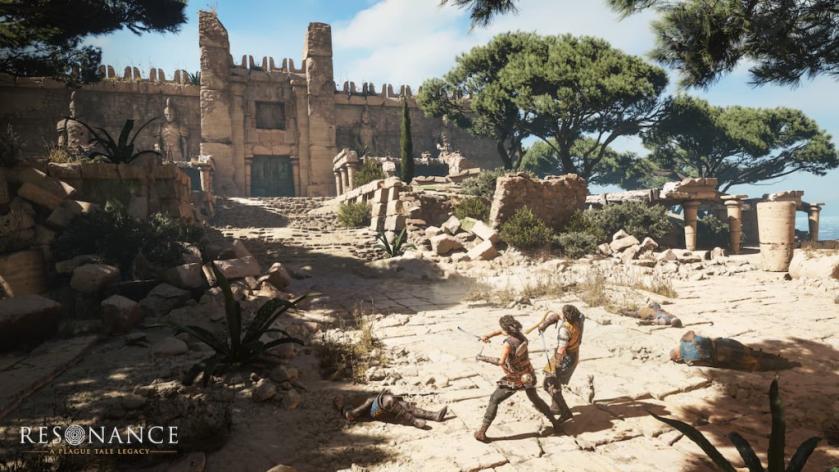
Resonance is set some 15 years before the events of Requiem and Innocence, and this time we follow Sophia, a member of a community of plunderers (fancy name for pirates) who stumble upon a strange island near Crete in the first half of the 14th century. Sophia’s father, Alec, develops an obsession with the place, while Sophia herself serves as the key to unraveling the island’s strange secrets.
From a young age, Sophia had been experiencing strange dreams and nightmares. In time, she’d realize that what she had been seeing was more than real and could have helped her nation of ne’er-do-wells finally strike it out for the ultimate prize.
One thing leads to another and, as the island’s curse would have it, Alec dies, leaving Sophia in the hands of his second-in-command, Faro.
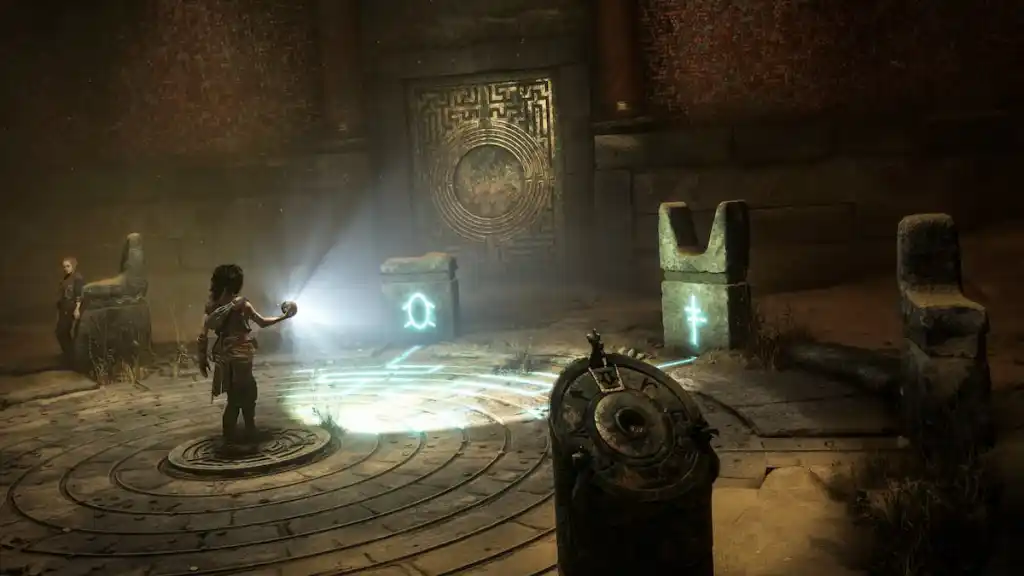
We exclusively control Sophia in the main timeline, but, in true Plague Tale fashion, she is later joined by a cunning thief named Leni, who helps her explore the island—which turns out to be the mythical location of the Minotaur and its Labyrinth. Sophia constantly has visions of the great Minoan empire, which gives you direct insight into the cult of the bull worshipped by its people. You also get to play as legendary hero Theseus during these visions as he participates in many battles to gain a chance to fight the Minotaur itself.
We constantly flip back and forth between the 14th century AD and the Minoan era. The game forms an unbreakable bond between Theseus and Sophia, though thousands of years stand between them: understanding one means having a strong grasp of the other. Both serve to inform the game’s incredible new combat system, now built around involved and skilled fighting rather than skulking and stealth.
The pinnacle of the series’ storytelling
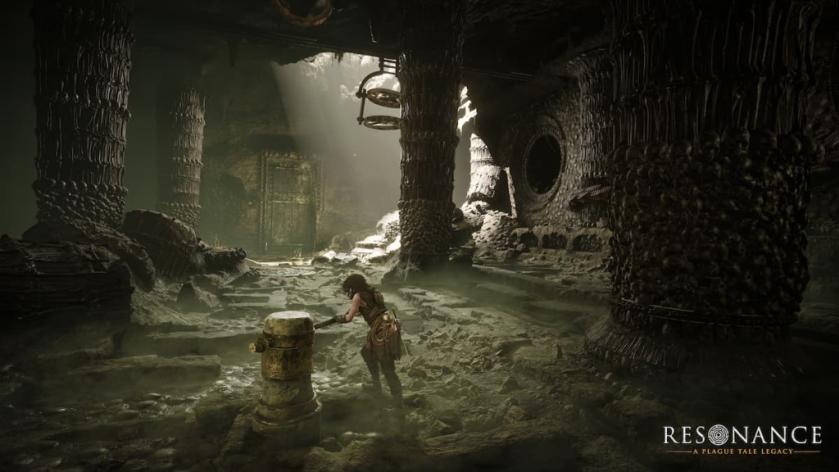
Being a Plague Tale title, Resonance focuses on the story. The plot surrounding the Minotaur (and Sophia’s goal to banish the island’s curse once and for all) and the characters are strong, well-written, and emotionally charged.
While I found the plot and the aesthetics of the Minoans and Theseus well-made and pleasing to the eye, I believe Sophia’s journey mattered most. There is an incredible level of depth and growth, and while she definitely stands out, I found myself caring for all characters in the game, even if they were a bit archetypical.
Perhaps this gives them their charm: Leni is witty, too smart for her own good, and a proper RPG rogue of a person; Faro is the classic hero-turned-villain over whom distrust and paranoia ultimately win; Ezra is your stereotypical gentle giant, and his role in the story will bring you to tears. All the characters have something memorable to them that is worthy of emotional investment.
The writing is generally pretty good, though it does meander a bit in quality. I loved Sophia’s most surreal experiences the most, and her relationships with many of the characters were well thought out by the writing team.
Satisfaction from fights and exploration alike
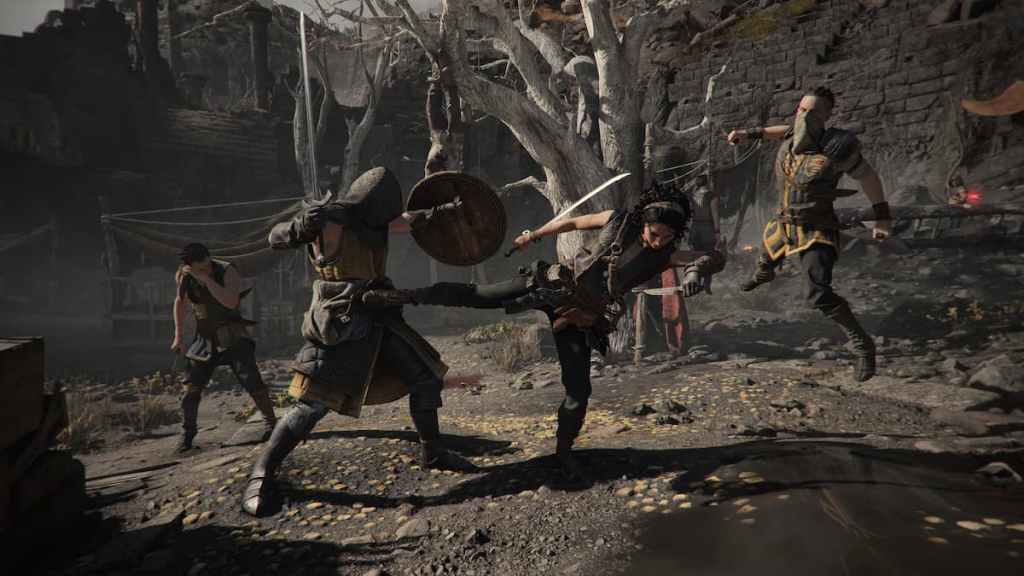
The developers told me a few months back that Ghost of Tsushima was their primary inspiration for the combat system, and when I actually got to play the game, I could genuinely see their vision. It is the standout part of the game.
The fights play out like a dance, with Sophia utilizing her trusty sword and dagger to hit enemies with cunning and speed, while also having to dodge or parry enemy attacks depending on who she’s fighting. Enemy variety is lacking somewhat: you’ve got your archer, sword guy, shield guy, spear guy, and big guy, though later on monsters who must be dealt with in alternative ways also appear.
Even so, you have to utilize everything at Sophia’s disposal, including mystical powers granted to her by Theseus, to dispatch vast groups of enemies who appear constantly. There are also optional fights in the game that carry additional emotional baggage should you decide to pursue them, and you will be greatly rewarded if you come out the victor.
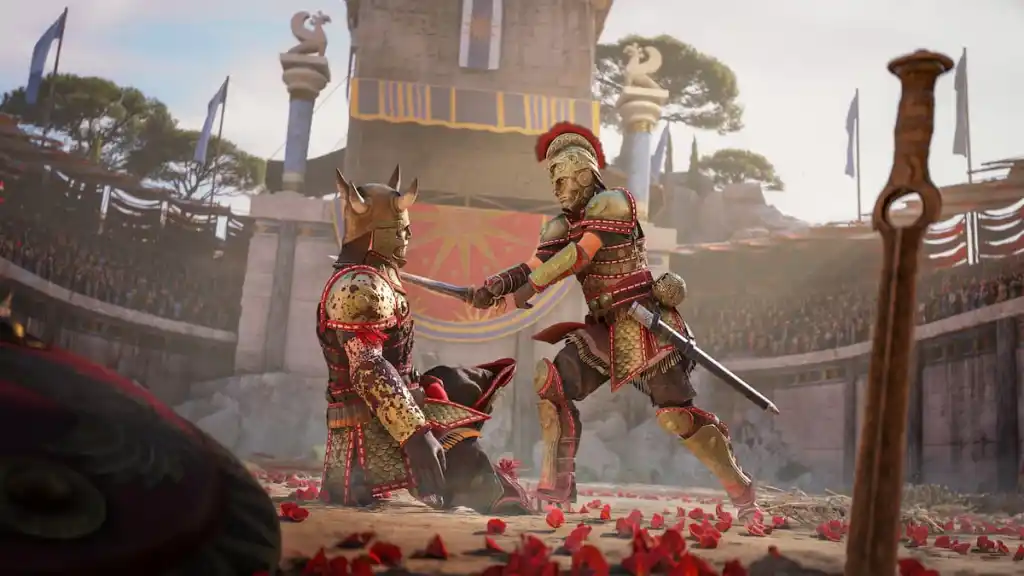
The onslaught of fights, while it can feel somewhat repetitive at times, makes all the sense it needs within the context of the story and the game, and I adored every single combat scene, whether it was against a singular boss or endless waves of enemies.
Resonance also ups the ante when it comes to exploration. The game is still very much linear, but there are a lot of optional puzzles and goodies to find around the world that will make your journey better, like charms, rings and jewelry. Sophia actually wears these in the game, letting you see your whole collection all the time. New swords and Resonance Points are also dotted around, ready to enhance your fighting capabilities.
It’s the culmination of many years of work by Asobo, and the definitive Plague Tale experience. Everything the studio did here is the result of refining and honing what made the previous two games good, resulting in perhaps its best work to date.


