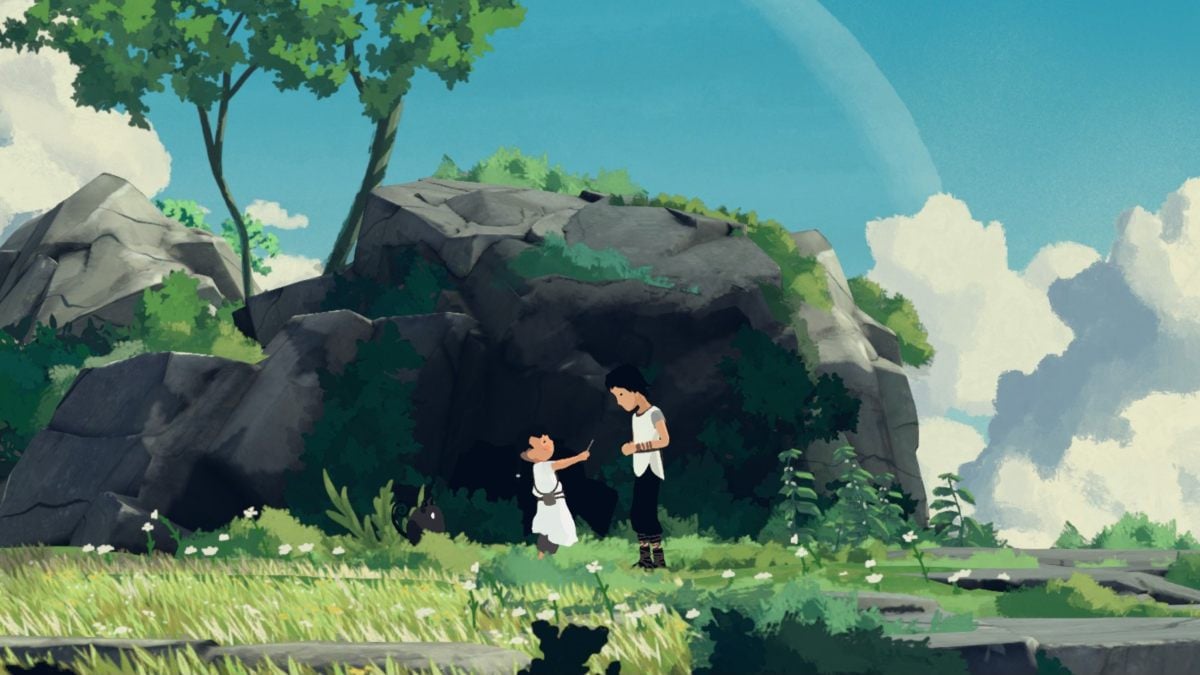


Discover the past in Planet of Lana 2 to secure your uncertain future as Lana and Mui’s adventure continues. This time, we’re travelling further than we’ve ever been before.
Planet of Lana has progressed naturally from a story about hope and resilience against a technological force that threatens civilization, to humanity’s destructive tendencies against nature, utilizing the very threat we feared. It demonstrates our greed and innate desire to invade and lay waste to our surroundings. We take, we leave. Tensions are brewing, and the cost of community, belonging, and having a place to call home lies in the balance for Lana’s family.
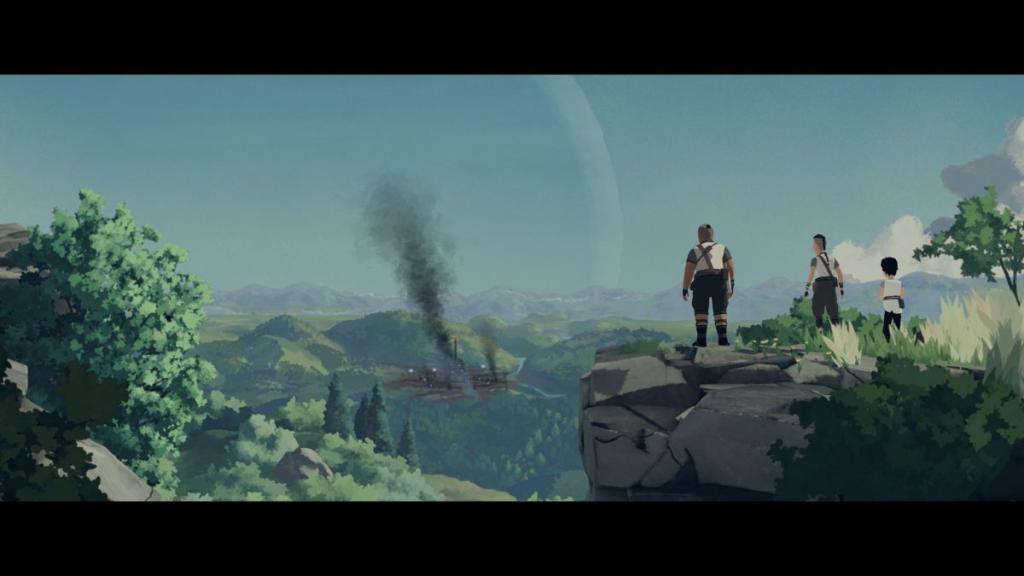
While the demo wasn’t particularly newcomer-friendly, the full title offers a welcoming recap of the first game. It’s the only instance of clear-cut communication as Planet of Lana uses a made-up language. This means anyone can play the sequel without feeling like they’ve missed out.
Fantastic storytelling that feels like natural progression
The repetition of words and emotive body language from our characters grants us a basic understanding of what’s going on, aided by the soundtrack that (much like films and TV shows) manipulates you into connecting and feeling strongly for what are mere pixels. Though the story is meant to be open to interpretation, it’s clear this tale is about the destruction of nature and how one person’s goal can cause conflict and suffering for others.
Its story will always be relevant as technology threatens our own reality. Sure, we’ve seen greed and deforestation in Nausicaä of the Valley of the Wind, Fern Gully, Avatar, even Mickey 17, but there’s always a place and a voice for messages that focus on the importance of conservation.
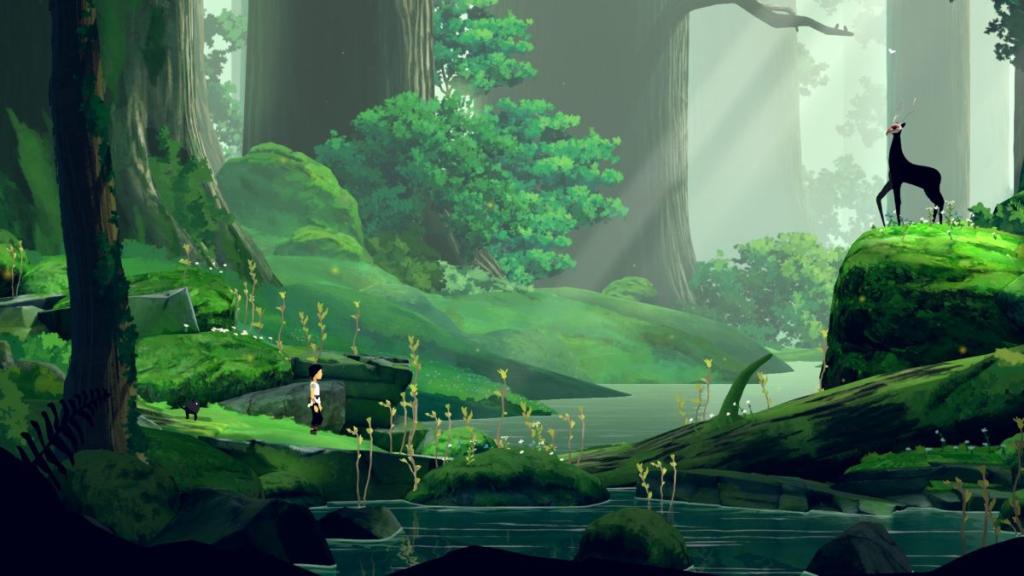
A question remained at the back of my mind while playing, one which wasn’t present in the original: Where are all the adults, and why is a child sent out on suicide missions when someone else could do it? Planet of Lana‘s plot made sense because everyone else was taken. Here…not so much. It’s a bit of a nitpick, but it lessened the realism and made the story feel all the more fantastical. I felt like San from Princess Mononoke or Nausicaä while playing. The stunning visuals, blatant message against deforestation and technology, and reference to the legendary Forest Spirit will do that to a person.
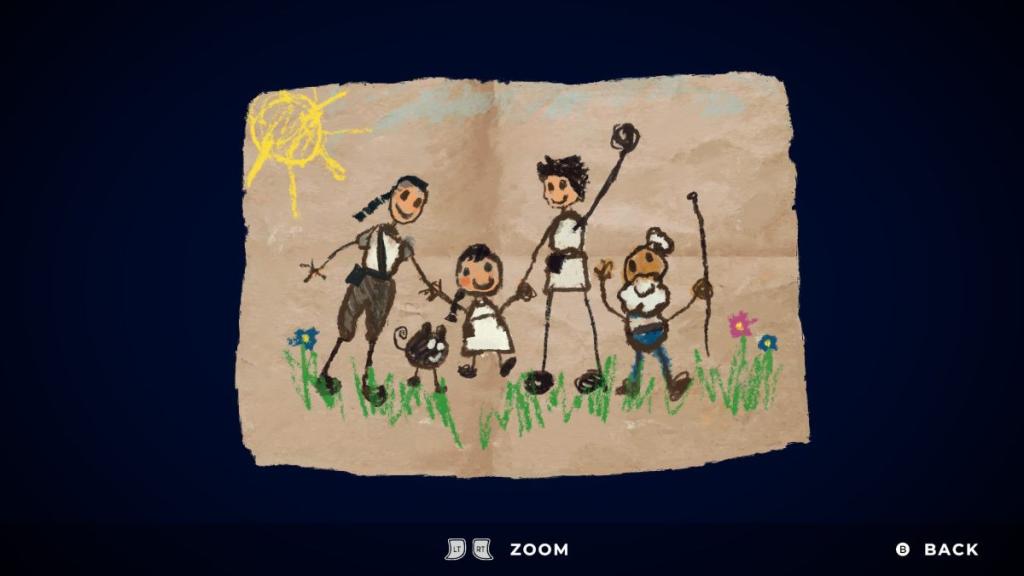
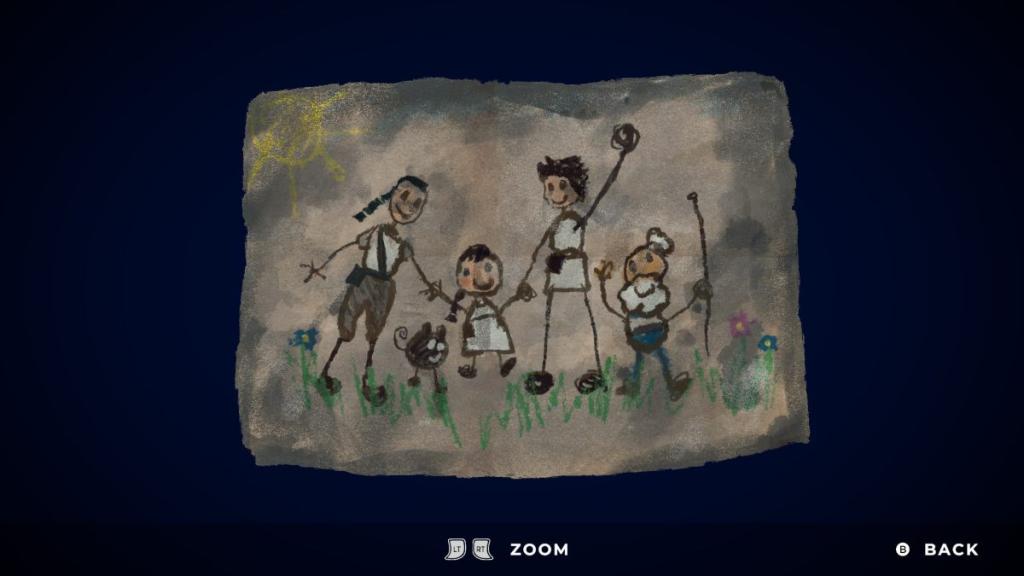
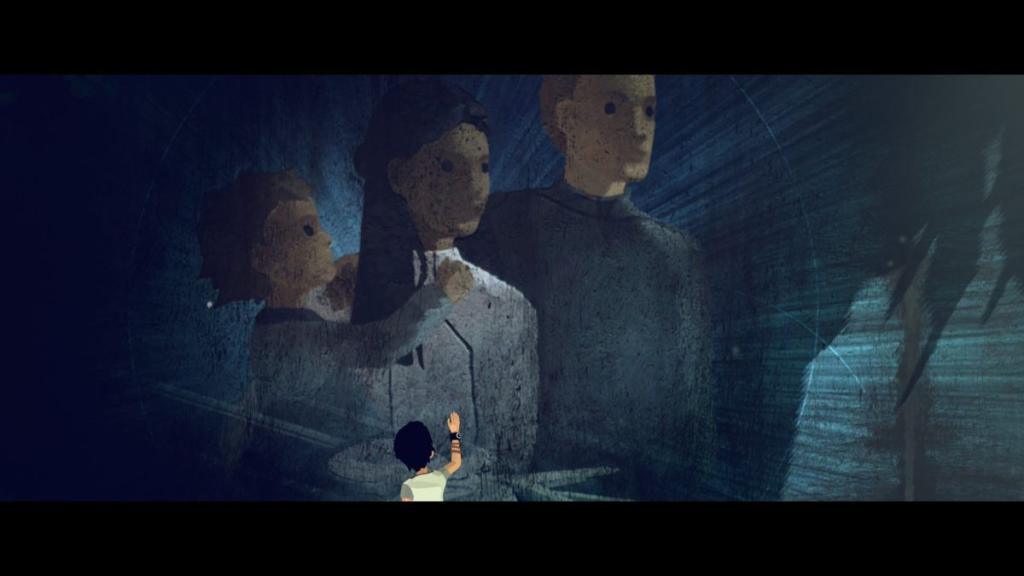
Not only is Planet of Lana 2 beautiful, but it has fantastic attention to detail. One aspect in particular demonstrated the care that has gone into this title: the child’s drawing, which gets dirtier the further Lana travels. This visual symbolizes her ongoing struggle and her determination; a reminder of what she’s fighting for and to never give up.
Nature is alive and delivering its message
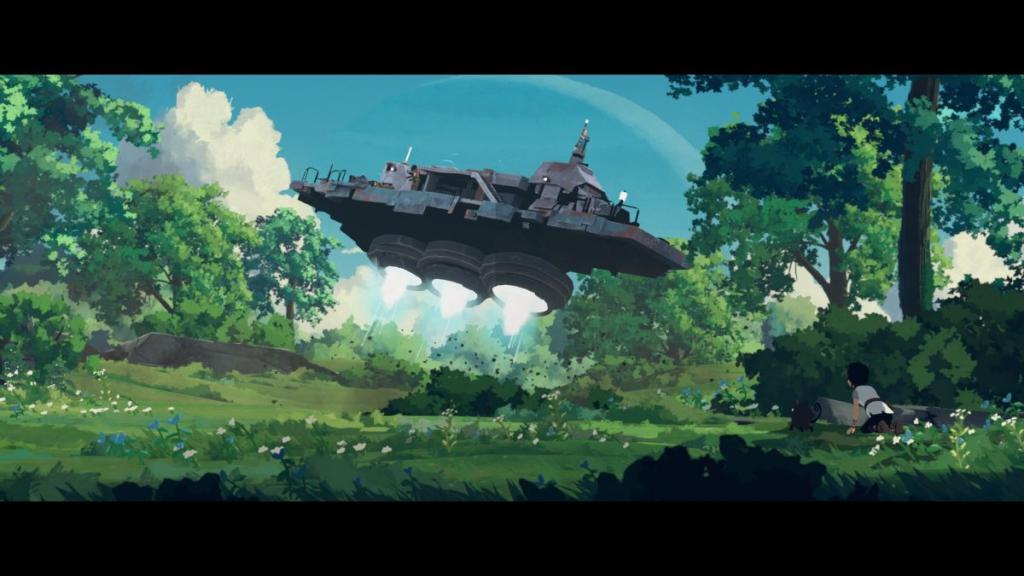
The art direction remains as beautiful as ever, and the soundtrack is absolutely stunning, carrying the weight of each chapter. The visuals and score add character, create dimension, and offer a distinct voice to Novo. Together, they craft a meaningful cinematic experience. Impact lands in its gorgeous imagery that harmonizes with the sublime orchestral score. Cinematic moments are achieved with no dialogue; similar to INSIDE, LIMBO, Shadow of the Colossus, and Somerville. And just like them, it’s impressive to capture so many emotions with so few words.
Taking me roughly six hours to beat, Planet of Lana 2 greatly expands on its gameplay without straying from the original. Puzzles are stimulating, challenging, and satisfying to solve. Nothing is ever handed to you, meaning you can take as long as you need. There’s zero pressure and no hand-holding, making it feel like a callback to platformer classics (e.g., Spyro, Crash Bandicoot, and Rayman). Solutions often click into place in satisfying eureka moments. Any repetitiveness is broken-up with the introduction of new terrains and mechanics that offer learning curves throughout a chapter. This is a must for the genre, and it was the original’s main weakness.
At times, Planet of Lana 2 felt more like a game of trial and error. This can get tiresome if you’re stuck in the same spot because of the finicky controls. The sequel isn’t as streamlined as I would have liked, as I often had to repeat a section just because Lana didn’t jump at the precise moment. I thought I was playing as Lara Croft in Tomb Raider Anniversary at one point. Some sections last way longer than they should have, dragged out by the clunky controls that forced me to vault or climb when the path could have been a straight shot into action.
Lana’s growth is clear in her attitude and increased physical abilities to climb and wall jump. It’s a natural progression for her character that also upgrades the sequel’s gameplay. This, alongside Mui’s innovative abilities add layers to the puzzle-platforming that the original didn’t have. Each puzzle was creative and a pleasure to work out. Mui’s newfound importance made Planet of Lana 2 feel like a modern take on a classic.
The level design is overall great, but sometimes it’s unnecessarily complex and so focused on delivering realism that a puzzle appears more complicated than it actually is. I ran into this issue only twice, but it set me back longer than I would have liked. Now, this may be a skill issue…or it’s my brain overcomplicating puzzles.
The balancing act of pacing
The entire plot basically boils down to three fetch quests. Now, I am no fan of this exhausted plot device and am frankly sick of them. I can’t explain it, but Planet of Lana 2 was a delight to play through, even though I’ve seen this done time and time again. I think it’s because, though the core of the game remained the same throughout, Mui’s ever-changing mechanics offered an exciting reason to keep playing. There was a balance between stealth and action against stimulating puzzles and cinematic moments that breathed to let the scenery do the talking.
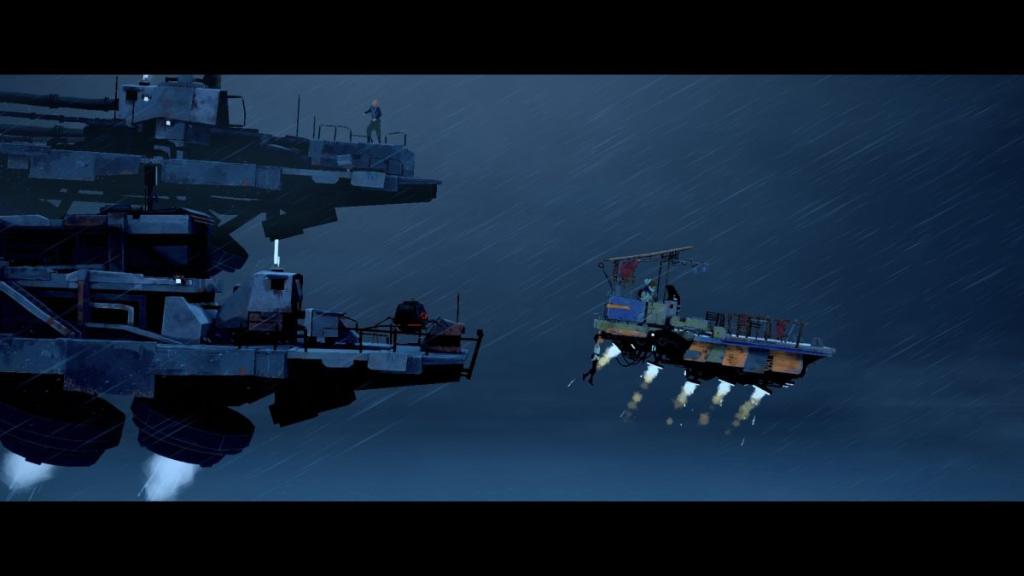
Planet of Lana had a gradual build towards its epic climax. The sequel included slower moments to deliver backstory, calm the pacing, and then speed up with big moments full of emotion and action. It’s a rollercoaster that fits the theme of destruction, hope, and uncertainty for the future, rather than a cozy road trip through nature; though the pacing slightly falters thanks to slow loading screens.
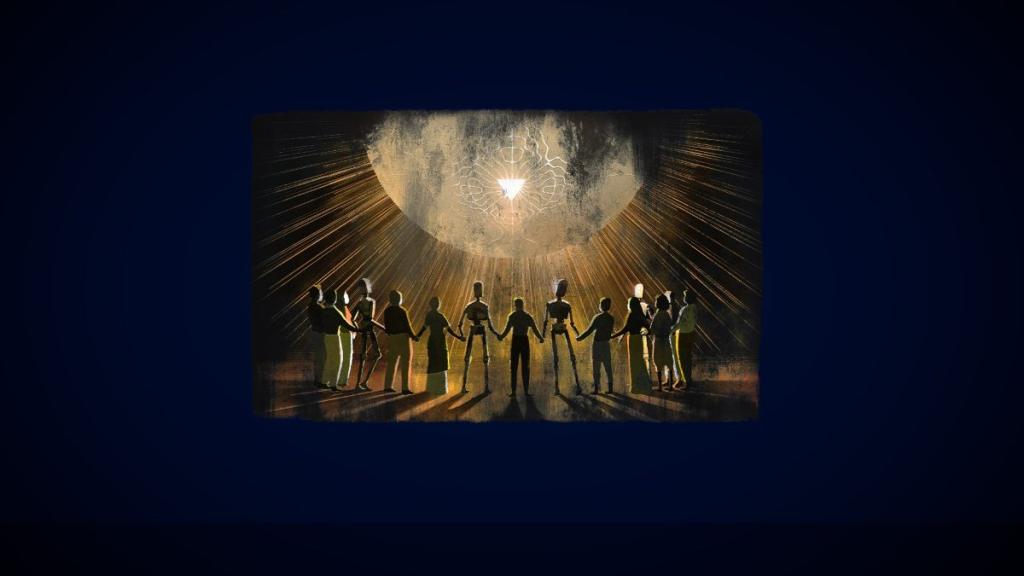
Without spoiling, the ending very much sets up a sequel. While I applauded as the credits rolled, the cliffhanger conclusion could be viewed as a negative for cheating its fans. Using this plot device can feel manipulative as you’re forced to wait for a sequel that (like with any franchise) is not guaranteed to arrive. This is very different from the original, which was a complete product that opened the possibility for a sequel, but didn’t guarantee it.
Planet of Lana 2 offered exactly what I wanted from a puzzle-platformer that engages on both an intellectual and emotional level. It’s an upgrade from the first game and one I’d highly recommend to any puzzle-platforming fan.


