


Overwatch’s ambitious Stadium mode launched to fanfare in 2025, but has since been sunset into a sort of maintenance state 2026, no longer to receive new content updates.
I loved Stadium when it first came out, as it felt like a whole new experience within the game. On top of it being round-based and allowing third-person perspective, it included buffs and abilities that evolved over the course of a match, supporting different builds and play styles, offering a more competitive and unique way to enjoy the game and its heroes.
In the end, Overwatch devs at Blizzard were reallocated to other projects as the player population in Stadium struggled with retaining players versus the other core six-vs-six and five-vs-five modes. Naturally, as a fan of the mode given the chance to speak with Overwatch’s leaders in a recent group interview, I asked about it and what the team had learned from the experience, and if there’d be a change in strategy for yearly content updates pivoting away from modes like Stadium to re-focus on the core game experience instead given how it all shook out.
“I think there’s a lot of things in Stadium that were, when it was first launched, like, something a lot of players just haven’t seen, you know?” associate game director Alec Dawson said. “The way they’re building up characters, making them play different play styles, and for Overwatch, it was a wild experience, right? But I think some of the lessons from Stadium are very apparent in [new limited time mode] Mystery Madness. I think the way we’re running Mystery Madness, in terms of the hero roster, in terms of how that can expand over the event itself, but also, this isn’t just going to be our first Mystery Madness. We’re looking at how we can bring that back, you know, a few seasons later, and then improve the experience itself. So I think a lot of the lessons from Stadium that you’re going to see in Mystery Madness over time are about how we were running Stadium and being on all the time, rather than being this experience where maybe it should have been active for the first half of the season, you come back to it later on, and there’s a bunch of improvements every time you see it.”
With its launch, Stadium was popular with players, but the population apparently tapered off to a point where Blizzard felt it wasn’t conducive to continue adding new content to it. But now, Mystery Madness appears to be where some of Stadium’s DNA is headed, bringing in a number of the latter’s ideas and mechanics into the fold.
“I think some of that novelty over time may have worn off [in Stadium], but I think we’re going to take a lot of those lessons, and a lot of the amazing gameplay and decisions you got to make in Stadium, and Mystery Madness and see how we kind of run with that as this new sort of arcade mode that can come back and come in and out of Overwatch over time,” Dawson said.
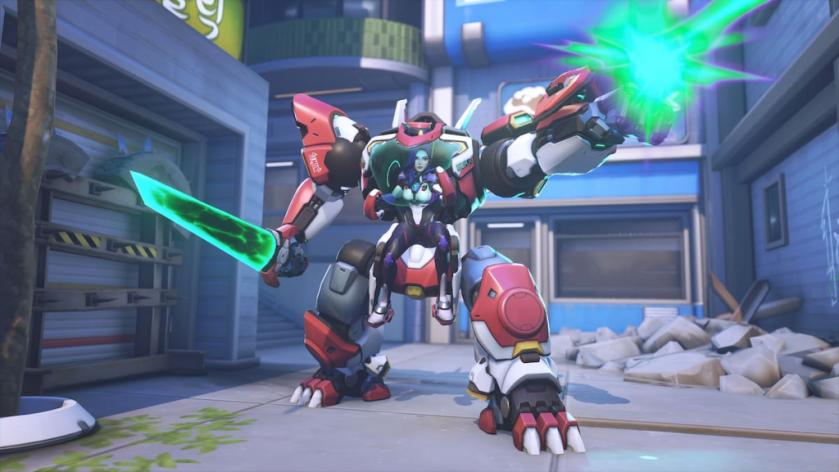
“I think one of the things that we heard from our players as Stadium continued to run was that it felt like some of the original parts of Stadium where it just felt like it didn’t just feel new, but it always just felt like almost anything could happen in there,” game director Aaron Keller added. “That as we evolved the mode, it started to become more competitive, more sweaty, people really had to do almost like the homework to figure out what the right builds were going to be in that mode. It did start taking, for a lot of our players, not all of them, but for a lot of our players, it did start diminishing the satisfaction that they were getting out of the mode. We added a lot to Stadium. It wasn’t just content like new heroes, but we started adding new systems to it. We saw such a big response from players that we wanted to put more into that particular mode.”
Looking back, however, Keller says that “sometimes we feel like we went too far with some of those systems,” and “we took what was already a fairly complex mode and we added additional complications to it.”
Read what’s behind the latest news in gaming (with a bit of snark) by subscribing to the Destructoid Checkpoint newsletter!
“I think that while some players, like some really core connected players of Stadium, actually liked a lot of that stuff, I think for the larger community, it just turned it into something that was almost too hard to follow,” Keller said. “Then as Alec was saying, we’re taking some of those lessons and we’re putting them into some of the other game modes that we’re making, like Mystery Madness, the one that we’re running for the Halloween event this year. You asked about whether there was a change in strategy, and I think that that’s what you’re looking at right now.”
Thankfully, though, it sounds like Blizzard will continue to work on ancillary things like Stadium or Mystery Madness alongside mastering the core competitive experience, so those looking for more to do outside of Quick Play and Ranked modes should take heed.
“We do want to continue to develop new experiences for players,” Keller continued. “We think that an Overwatch player wants some sense of variety and novelty, but within this very competitive framework. We will always be focusing, first and foremost, on that core competitive side of the game, but we do want to find new experiences for players.”
Keller described Mystery Madness as “an event that starts with a kernel of something that we think is really fun, and then we’ll continue to build on that over time”, but added that “if it ever gets to the point where it’s like, a year or years from now, it just feels like this is the way that a big part of our players want to engage with the game, we can always turn something like that into a permanent mode.”
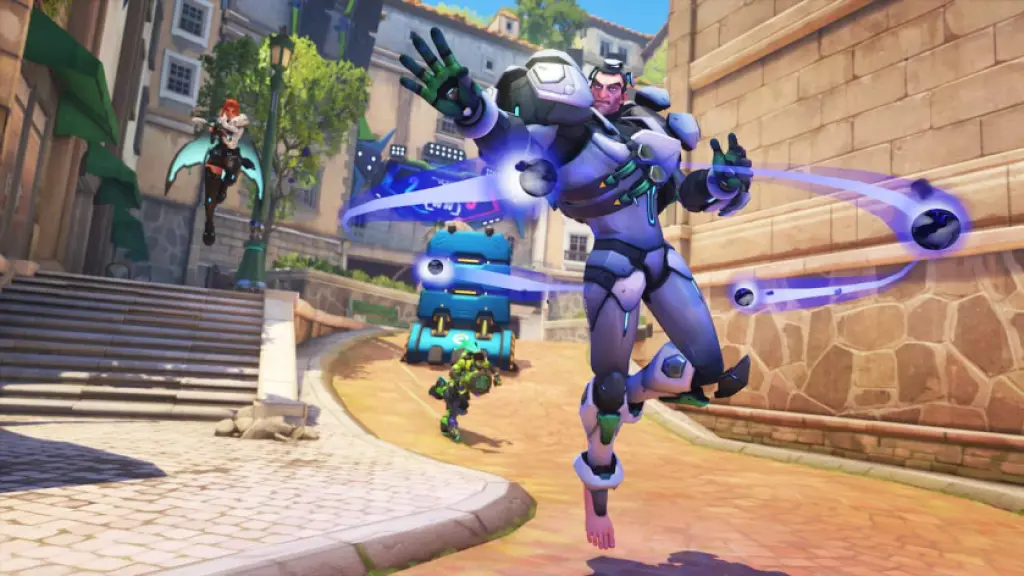
There was a fair amount of disappointment from Stadium players when the mode went quiet with new hero releases and maps a few months ago, but the devs seem clear on the intent to keep its inspirations in the game to create more fun new ways to play. But in the end, the competitive FPS will continue to be the focus.
“For any players that are listening, I just want them to know that it’s like, yes, we do want to push Overwatch forward, and we do want to do it with these fun, variety modes and give them a different way of playing and have that variety there,” Keller said. “But it never comes at the cost of us really focusing on the core FPS hero shooter that we’ve got right now and continuing to make that experience more refined and better and, I think, more competitively fair and balanced over time.”


