


Saudi Arabia’s Public Investment Fund, which is now the majority owner of EA, might’ve dealt BioWare its final blow. But now it seems it was a miracle that the company EA didn’t run the beloved studio into the ground even earlier.
In a recent interview with ex-BioWare producer Mark Darrah for Eldorado.gg, we learned about the many tribulations EA forced the studio through to release Dragon Age: Veilguard.
Darrah explained that EA decided to push BioWare into restructuring the already in-development Veilguard into a live-service game, then re-restructuring it into a more normal Dragon Age experience before release, without ever awarding the devs the time required to get rid of the live-service mechanics still rotting the game from its core.
Most of Veilguard’s infamous elements, like the overly simple dialogue, the lack of drama between the team, and the more action-oriented gameplay, are all leftovers from the Dragon Age that only EA ever wanted to make, the one that Darrah and the team tried to fix many times over.
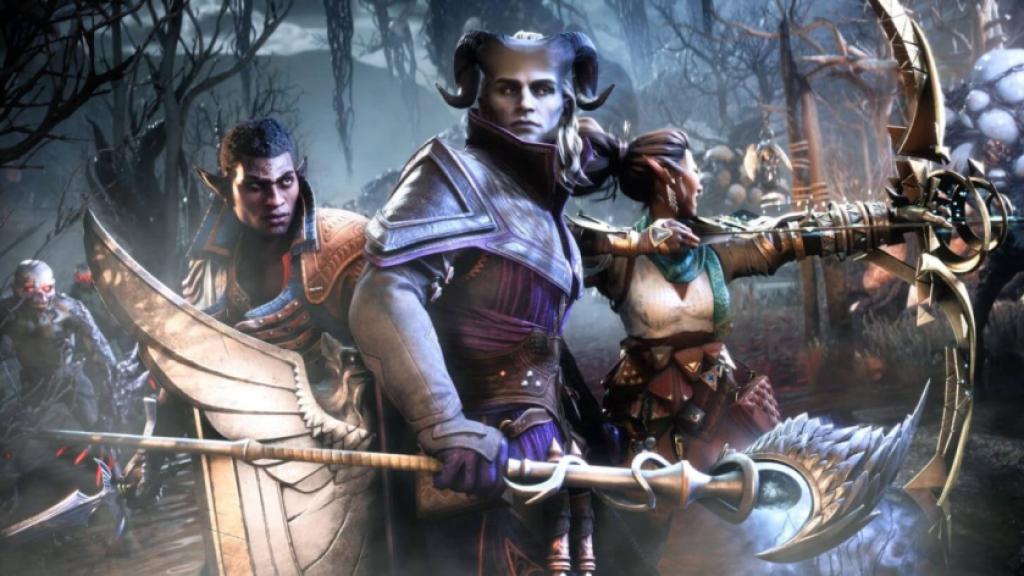
The Saudi fund killed BioWare, but did EA kill BioWare’s love for the game?
We now know that under Saudi Arabia’s private ownership, EA forced BioWare to make all sorts of ridiculous compromises while developing the canceled Mass Effect sequel. Even Greg Zeschuk, BioWare co-founder who’d originally sold BioWare to EA, points to Saudi Arabia’s acquisition of EA as the real turning point, but is that really the case? Fans say it has always been EA.
While BioWare released its most popular title ever, Mass Effect 2, after the acquisition, I agree that signs really did start to show shortly after that. Drew Karpyshyn, lead writer of the original two Mass Effect games, who had a plan to end the trilogy that EA scrapped, would leave the company before starting work on Mass Effect 3, citing an ever-more corporate environment that killed the enthusiasm he had for his dream job. Karpyshyn’s departure was just the first of an exodus of creative forces in the studio.
Mass Effect Andromeda might be king in terms of hostile fan reception because it came out featuring countless bugs, but Mass Effect 3 is likely more deserving of that honor. Though it features the most technically refined gameplay in the trilogy and was a marvel to play even on the 360, it also had so many issues uncharacteristic of BioWare that I see it as a cry for help we shouldn’t have ignored.
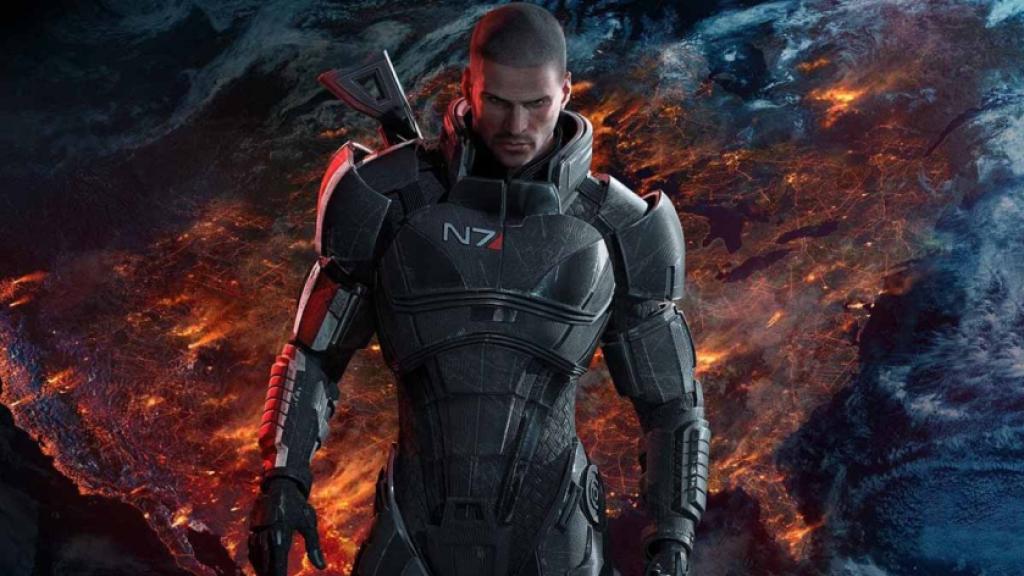
Many point to all things Kai Leng, the Deus Ex Machina McGuffin that held the solution to the whole Reaper ordeal the entire time, or its incredibly disappointing ending(s?) as the series’ lowest point. I started having problems with the narrative much earlier on: the upload of Normandy’s consciousness into a robot with big boobs that the team had just conveniently encountered because Joker had been wanting to bone that ship for a while.
Shipping a guy and a literal ship is certainly not something a lonely man should aspire to—but you don’t need me to tell you that in 2026. While this was ass-tier storytelling, at least it inoculated me against any AI optimism.
Before EA, Mass Effect was something even established IP like Star Trek drew inspiration from. Then, at some point, the studio was left with writing fan fiction of its own work and taking inspiration from greats like DeviantArt and Getty Images.


The point is not to hate on Mass Effect 3, or any specific BioWare game. It’s to realize how most of their shortcomings originated from bad management. If that’s the case, Mass Effect 3 and Andromeda succeeded in spreading anti-capitalist sentiment—even if only accidentally—and that’s what all great sci-fi should strive for.
So thanks, BioWare. You made some of the best games ever in your heyday, some really bizarre ones under terrible management, and always deserving of attention.


