


Tanks in World of Warcraft: Forever form the bastion of every adventuring party. In front of every DPS who sneaks in a hit and healers who keep everyone alive is a tank who takes on the biggest threats. And unlike other games where getting in front of an enemy is enough, some of WoW‘s toughest dungeons need tanks who focus on both the enemy and their allies.
And finding a tank who knows their way around can be difficult. But if you’re a hopeful adventurer who wants to take their step into tankhood, we’ll walk you through the basics. So grab your shield, prep your auras, and let’s pull mobs.
Table of contents
- Back to basics: What is threat?
- Must-have stats for your Tank
- Tanking techniques you should always do
- Gauge the pull
- Mark your kill order
- Turn mobs away from the party
- One defensive ability at a time
- Crowd control sets the rhythm
- Make sure you don’t pull mobs to your healer
- Teach the DPS where to attack
- Warriors rely on tanking as their lifeblood
- Paladins self-heal and buff the party
- Druids offer more utility and don’t need shields
- Some add-ons to try
Back to basics: What is threat?
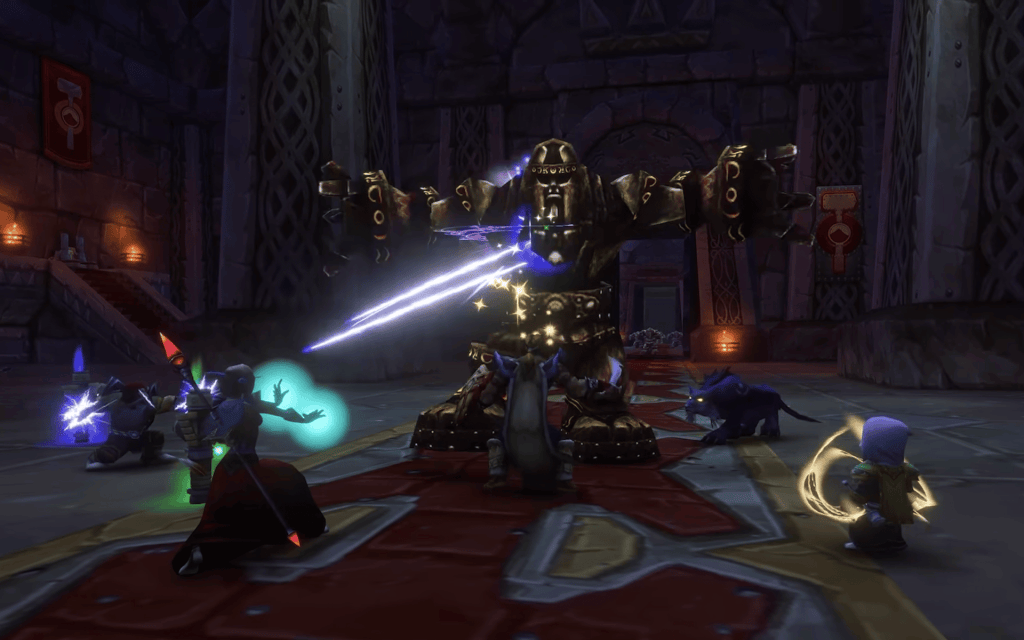
Threat is the most important term in any tank’s vocabulary, since every other tanking concept stems from it. “Threat” is something you generate that determines how likely an NPC is to get aggressive towards you. When an enemy starts attacking you, you’ve generated enough Threat for them to get aggro (aggressive).
How do you generate Threat?
No in-game setting reveals how much threat someone generates, and we’ve often had to rely on add-ons (we’ll get to that later) to determine that number. Based on Classic data, Threat usually works like this:
- If you hit the NPC, you generate Threat (1 Threat per 1 damage)
- If you heal the target of an NPC, you generate Threat (1 Threat per 2 Health healed, divided by the number of hostile observers)
- Buffs and on-use abilities (items, trinkets, etc.) can add Threat of different amounts (divided by the number of hostile observers)
An NPC can switch targets if:
- The new target overrides the current target (with an ability or a Taunt)
- The new target generates 10/30% more Threat than the current target while in/outside melee range
What are Taunts?
Tanks who attack first secure the Threat. But other party members can easily bypass your Threat level if their damage and heals are absurdly high, usually from DPS and healers. So tanks have to “steal” that Threat back through special abilities. This is where tanks come in with Taunts.
These are abilities that bypass current Threat levels entirely, so NPCs who are affected are forced to attack the caster (tank) instead. Most Taunts last a short while, so tanks usually start rotations with them or whenever tanks feel they need to yoink attention back from mobs. All tanking Classes have Taunts or some other way of stealing aggro back.
Must-have stats for your Tank

| Primary attribute | What is it |
|---|---|
| Stamina | 1 point gives you +10 Maximum Health |
| Strength | 1 point gives you +2 Attack Power, where every 14 Attack Power adds 1 damage per second 20 points give 1 Block Value, which helps shield users |
| Agility | 1 point gives you 2 Armor, which can cut physical damage 20 points give you 1% Dodge and 1% Critical Strike |
| Defense | What is it |
|---|---|
| Dodge | Get a chance to avoid getting hit by attacks and abilities |
| Defense | 25 points means 1% less chance to be hit by a critical |
| Parry | This speeds up your next swing by up to 40% |
| Offense | What is it |
|---|---|
| Hit Chance | You miss fewer attacks and fail fewer Taunts, where 1% Hit Chance means 1% added to melee, ranged, and spell hit |
The only stats where these differ would be based on your chosen tanking Class, as some of them have additional stats you should take note of.
Tanking techniques you should always do
The big tl;dr for tanks is to rush to a mob, attack all of them, and use Taunts to keep them away from the party. But that’s just the beginning. Your tank must maintain this momentum regardless of what happens on the battlefield, and these techniques help you adjust to the most common situations:
Gauge the pull
The ideal scenario in any dungeon is to go to a cluster of mobs, pull them from their general location, and kill them. If you’re with an experienced group, they’d tell you to go to maybe three mob spots at once, pull all of them, and let the team handle it. Both scenarios are correct, but ideally you’d want to take it slow.
Mark your kill order
Pings are in the game for a reason. Mark your priority target with a skull and a secondary one with a cross. That ensures everyone knows who you plan to focus on stealing Threat from, and they can attack accordingly. Normally, you’d want to target spellcasters first.
Turn mobs away from the party
When you rush to the mob and start attacking, try not to have your party behind you. Instead, move slowly so the mob follows your general direction until their backs are on the rest of your party. Keep on Taunting throughout the process, so even if Rogues dish out enough DPS to steal Threat, you can force their attention on you. This also ensures your party isn’t being harassed by some stray mob.
One defensive ability at a time
As a tank, you likely have spells and abilities that help you absorb damage or resist attacks. Don’t use those buffs all at once. Find rotations where there’s a balance of proccing buffs, attacking mobs, refreshing buffs, and doing it again. If you have instant blocks, save them for critical moments or incorporate them in your rotations.
Crowd control sets the rhythm
Your DPS have crowd control abilities to “control” the flow of enemies, and you should take advantage of that. When your damage-dealers stun or slow opponents (Mages with sheep, Rogues with sap, Hunters with traps), try to damage the non-controlled mobs first. Then alternate.
Make sure you don’t pull mobs to your healer
Healers have it tough, as they can generate so much Threat even when they’re not attacking. As a tank, your main priority is to keep the healer alive, since they keep everyone else alive. Ideally, you’d pause if the healer is out of mana so they can recover. A great way to know is to turn on power bars in your party so you can track their resources.
Teach the DPS where to attack
Besides healers, DPS can get ridiculously squishy as their damage numbers can get off the charts. Now a DPS isn’t as useful to the party if they end up soloing mobs or a boss with no one to give backup. Remind your DPS to stay behind mobs at all times, or pull mobs in such a way that they’re facing away from the DPS. Make it a habit to mark your targets, so everyone knows where to focus their attack and who you’re stealing Threat from.
Read what’s behind the latest news in gaming (with a bit of snark) by subscribing to the Destructoid Checkpoint newsletter!
Get into tanking with these Classes
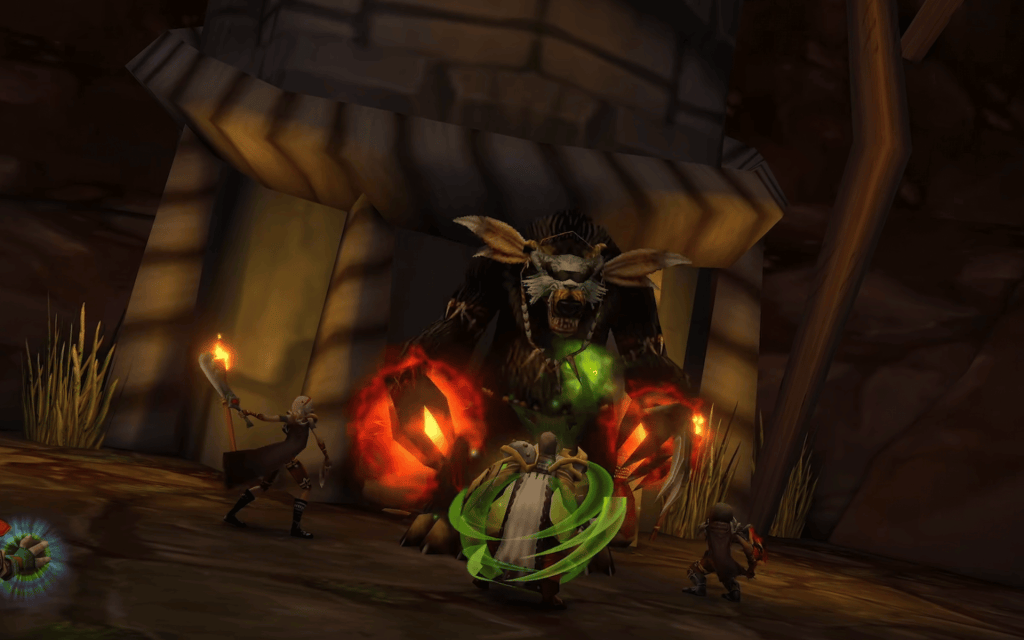
Tanking in WoW: Forever is usually reserved for a select number of Classes with specs tailored for the role. As tanking relies heavily on defense, the Classes that can reliably tank are often the ones that can handle getting hit, can heal themselves after getting hit, or annoy the enemy enough to always stay aggro’d:
Warriors rely on tanking as their lifeblood
Warriors depend on Rage, which they get from hitting and being hit. Their Protection spec is mostly built for tanking, and they have some of the strongest Threat-stealing abilities in the game. Base Warrior alone gets bonus Threat from Defensive Stance and can steal Threat from single targets (Shield Slam, Sunder Armor), mobs (Taunt), and in emergencies (Mocking Blow, Challenging Shout).
They also have nifty tools in their arsenal, such as an early-game interrupt (Shield Bash) and a damage debuff (Demoralizing Shout), among other attacks that often punish opponents.
Paladins self-heal and buff the party
Paladins are part magic-users, so they also rely on Mana to cast spells. Their Righteous Fury gets them more Threat as they use their toolkit. And just like other tanks, they have their fair share of taunts for single-target (Holy Strike, Seal of Fury and Judgment), and mobs (Consecration).
However, Paladins set themselves apart for their party-wide buffs that reduce damage (Devotion Aura) and give a 10% overall stat boost (Blessing of Kings). Protection is their main tanking spec, but you can also go for Holy if you want to be a sub-healer.
Druids offer more utility and don’t need shields
Druids are perhaps the most versatile Class in Forever due to their many forms, and they still have potent heals even as tanks. Their Bear Form is what gets the most threat, and Druids have many mob-based taunts (Challenging Roar, Growl, Swipe) as well. Feral is their main tanking spec, which grants them a decent single-target taunt (Primal Bite). When transformed, Rage is also their primary resource, and it can facilitate vicious combos.
Aside from tanking, Druids can become competent emergency healers. They have access to an instant-cast heal-over-time (Rejuvenation), an instant heal that is upgradeable to an HoT (Regrowth), and a decent AOE (Wild Growth),
Some add-ons to try
If you want serious upgrades for your tanking experience, you can also try these Forever add-ons:
- Plater Nameplates by Terciob: Get customizable nameplates for a smoother party experience. By default, these are colored based on whether the mob is neutral, has aggro on DPS, or has aggro on the tank.
- Threat Plates by Suicidal_Katt: Get customizable nameplates with precise color-coding per threat, class icons, as well as scaling based on different criteria.
- Details! Damage Meter by Terciob: Get a customizable raid UI where you can have windows based on damage done, debuffs and cooldown timelines, and other options.


