


AI reverse-engineering has become so accessible, prevalent, and, most importantly, powerful that vibe coders are now effectively getting access to games’ source codes without breaking a sweat. Those same AI tools then recompile the games for various media, including literal browsers.
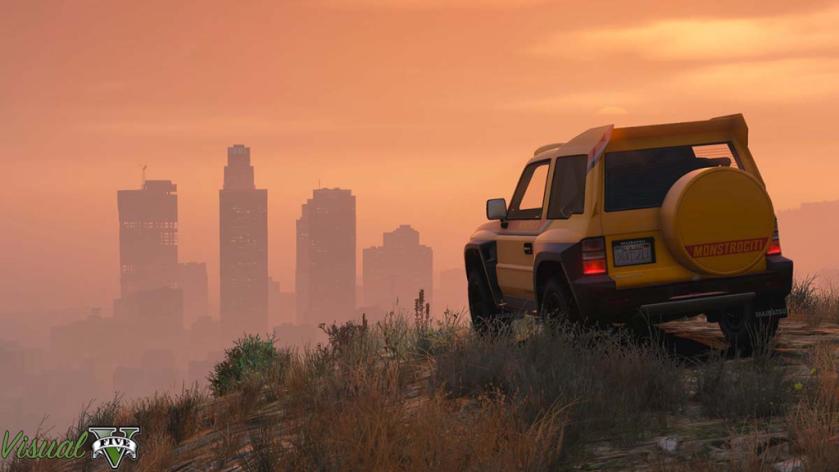
That happened to GTA 5, Modern Warfare 2, and Halo, among dozens of other games and franchises. Just today, I played both GTA 5‘s open-world sandbox and story mode, with each apparently fully ported over into the browser. My friend and I engaged in a match of friendly MW2 like in the good ol’ days, and there was even a proper matchmaking system implemented in the game.
All of this was right there waiting for me at the push of a button. Nothing to pay for, nothing to download, install, or crack. It was pre-packaged and ready for the end-user; all it took was pasting a link into my browser, waiting for the loading to finish, and voilà—an entire AAA game in Brave.
Read what’s behind the latest news in gaming (with a bit of snark) by subscribing to the Destructoid Checkpoint newsletter!
Last week, I wrote about how Activision and Bethesda took down browser-based versions of Fallout and Modern Warfare 2, and recently Rockstar followed up by sniping the mentioned GTA 5 port. However, the issue is that the internet is an infinite sea of possibility, and so many copycats have emerged everywhere and are hosting these DMCA’d versions on sites named after things not even remotely connected to gaming, let alone the games themselves.
They are registered in domains tied to countries like Poland and are generally avoiding the .com extension. Stuff like .dev, .lol, .gg, and .io are the most prevalent, though some of these are indeed registered with .com domains but have since been taken down. Being extremely conspicuous is the name of the game here, albeit with the existence of Reddit, it’s only a matter of time before someone shares and brings attention to clandestine vibe-coded ports.
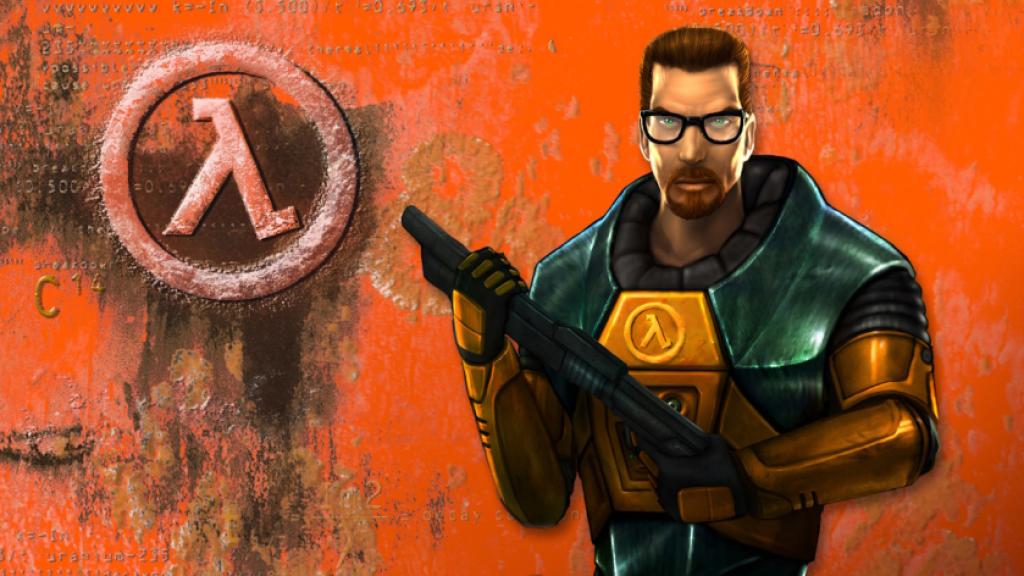
So far, I’ve managed to test and play the following games: Black Ops 1 Zombies (all the maps), GTA 5, Halo: Combat Evolved, Call of Duty: Modern Warfare 2 (2008), Counter-Strike (a weird, apparently Source-based copy rather than a direct port), Diablo 1, Pro Evolution Soccer 6, and Half-Life 1. As I’ve said, all it took was to paste in a link. Nothing else.
Naturally, the performance was kind of s**t and the graphics were pretty glitchy, but in some instances the games ran as smoothly as they would have natively, so it’s definitely a question of optimization rather than support.
This should, of course, raise some extreme concerns in the AAA publishing department, not least because their games are now properly screwed and can be reverse-engineered with no real ways to stop it. Even if they do manage to lobby for legislation in the US and Europe to curb this sort of behavior, who is to say that locally-hosted or extranational AI services will follow suit?
Those games without a proper DRM like Denuvo are extra vulnerable since they can be cracked with ease, though, as we’ve seen recently, even Denuvo is failing to stop anonymous warez groups and individuals from breaking and entering.
What’s also a concern is that source code and the innovations therein are no longer safe whatsoever. Anyone can barge into your game’s inner workings unannounced and uninvited and poke around to see what sort of cool stuff you’d come up with and then subsequently copy that to make their own versions of your own ideas (see: the Adobe Suite situation from a couple of days ago).
But what’s the most hilarious thing is that all of these massive corporations did it to themselves. They went hand over fist for AI, investing untold billions into it for the sake of “efficiency” and have trained their own demise. Ironic.


