


Last year, my colleagues and I declared Valor Mortis to be the best announcement to come out of Gamescom 2025. I played the demo back then and loved what I saw, and over the last year or so I got a couple more chances to check the game out.
Each visit was better than the last as the developers kept refining the formula and their take on Napoleonic Wars, and now that I’ve seen the full package, I can safely say that Lyrical Games has achieved something I never thought would work: a fluid first-person soulslike.
Here is our full review.
A different kind of Russia
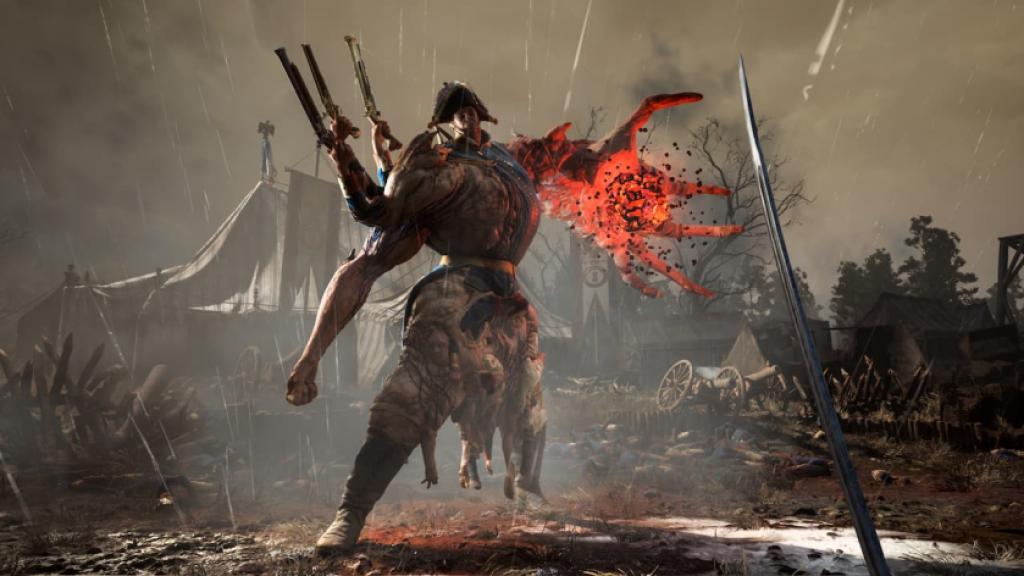
Napoleon and his Grande Armée wreaked havoc on Europe back in the 19th century, and he managed to outcompete the entire continent and reach as far east as Russia after subduing the rest of the European powers and establishing himself as the modern-day Caesar. In Valor Mortis, Napoleon leads that same brutal and unforgiving campaign, taking no prisoners on his warpath.
But where the game’s world diverges from ours is that, well, Napoleon’s army in Central and Eastern Europe turned into vicious monsters under the apparent effects of mysterious powers there. You play as one of its soldiers, William, who awakes imbued with strange abilities that help him navigate war-torn, plague-ridden landscapes. As he journeys across Napoleonic conquests, William discovers all sorts of monstrosities, flooded villages, and apocalyptic battlefields, and must persevere in the face of otherworldly dangers to find out what is really going on.
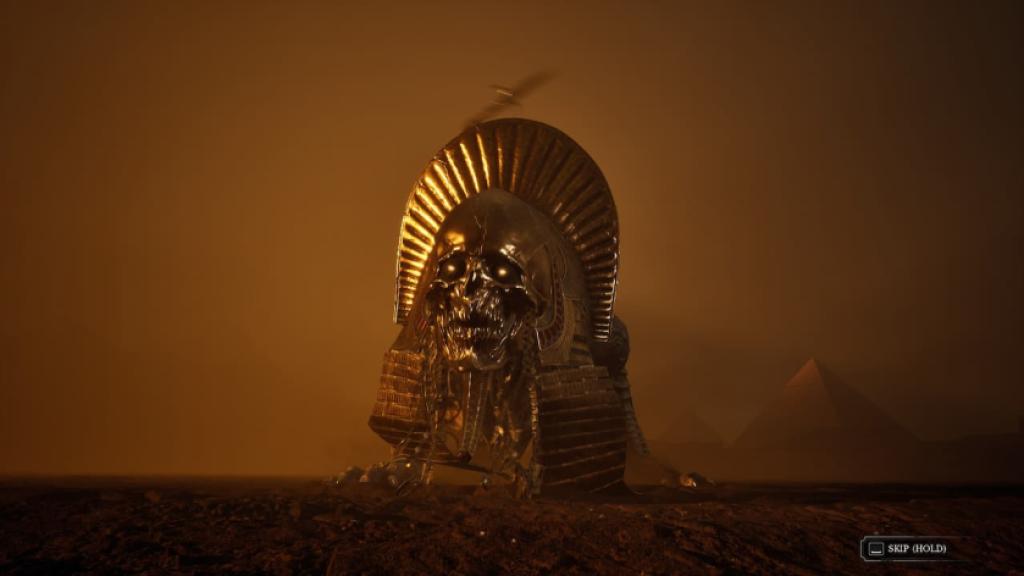
The game blends various cultures, religions, and myths to craft its version of 19th-century Europe and plays off Napoleon’s global conquests from Egypt to Russia, tapping into the occult side to really ground its fantastical narrative in real-world beliefs. Placing a soulslike within our own reality is truly remarkable and works incredibly well, to the point where I’d say the setting is the best part about Valor Mortis overall, though there are many great things about this game aside from where it takes place.
The grotesque monsters that were once part of Napoleon’s Grande Armée, and how the military’s activities gave rise to the evil festering in the very earth, are great ways to comment on the nature of conquest, the morality of victory by any means, and the effects of war on the minds of affected peoples. I found myself really enjoying the game’s philosophical brooding on these subjects, mostly told through visual storytelling, brief snippets you find in letters, and so on, which is par for the course for a soulslike that clearly follows in the footsteps of the original Dark Souls.
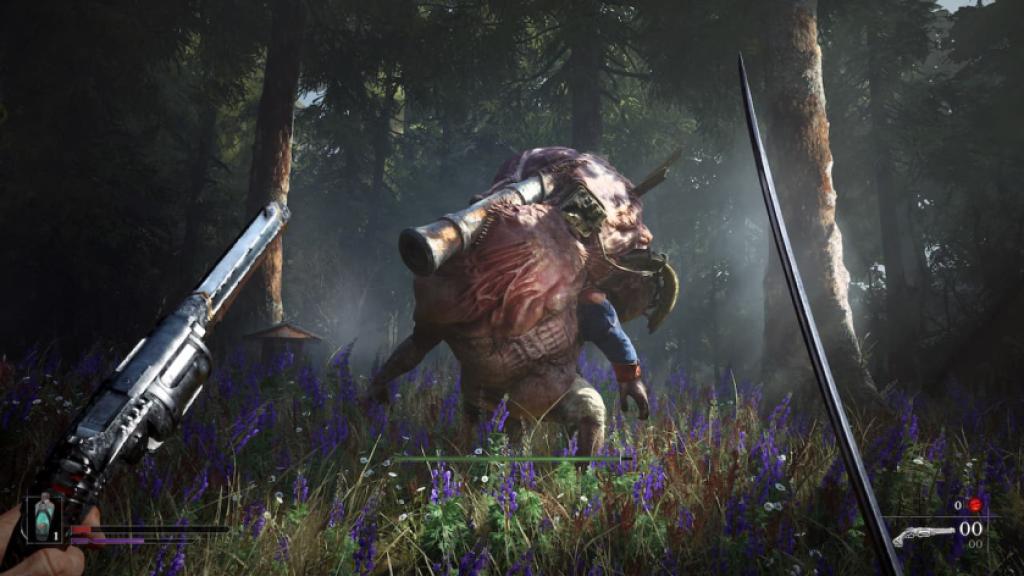
Speaking of the story, while it isn’t anything too fascinating in general, it’s much more fleshed out than what you can find in most other soulslikes, including those of FromSoftware. Your protagonist, William, is fully voiced, frequently comments on what he encounters, and with the voice work being so high-quality both in his and other cases, you tend to really connect to him and his inability to grasp the idea of the Grande Armée being a bunch of genocidal murderers.
All the monsters, then, shrink and shrivel in William’s eyes, as it is actual humans who have done the worst of the deeds he witnesses, and the metaphysical reality is merely responding to their actions.
Other characters you meet all have their own agenda, but it is never clear at first, and side quests and the characters therein are also packed with interesting figures, at least those who yet live to speak with you. The voice cast is loaded (they have Jennifer English in here, after all), and it’s a genuine joy to listen to them. The writing only adds to that, with the dialogue being a pure pleasure and never too out-of-context or devoid of words you’ve never heard spoken in the English language.
The same kind of soulslike
Now, though the game deviates heavily from the soulslike formula in story, it does follow a familiar and long-running design philosophy established so many years ago by Super Metroid and then refined into the Souls series. The game is based on zones, one dedicated to each chapter of the story, and these zones are vast, interconnected maps packed with side paths, optional exploration, and endless shortcuts that’ll help you come back to your nearest bonfire. Yes, there are bonfires.
They allow you to rest and regain HP, fast-travel between them, and level up your skills and equip charms that provide passive bonuses. To level up, you need souls, which you gain by killing enemies and bosses or crushing clots. All of these elements are omnipresent in the soulslike genre, and not one of them is super unique or too different from what we’ve already seen a dozen times. But if it ain’t broken, don’t fix it.
Once you obtain certain abilities, the levels also gain a great degree of verticality, making exploration that much more exciting. With the rewards for exploration being decent, you are heavily incentivized to do it, but some of the game’s areas can be a bit confusing and lead you to get lost. However, since the maps are condensed and focused, this is quickly dispelled, and you’re back on track before you know it.
The game deviates slightly when it comes to its level-ups, as you do not boost individual attributes like strength, agility, intelligence, and so on, but rather equip passive perks. These range from boosting your HP to making parries more powerful or giving you time dilation when you aim your weapon. They are pretty strong, but there’s a catch: you need to level up perks that you may not want to be able to unlock the next “category” of perks, which also unlocks a new charm slot.
I found this aspect rather boring, because I had to spend precious souls leveling things that had nothing to do with my current build so I could unlock the ability to pursue the things that I actually wanted. The charm system helps alleviate this to some extent, but since you need to get lucky and find them in the world through exploration, it doesn’t help the issue all too much.
The weapons can be upgraded at a hub level, which is more akin to Bloodborne‘s Hunter’s Dream or the Firelink Shrine in Dark Souls 3. You can purchase ingredients, make your equipment more powerful, or just take a breather from all the evil s**t happening outside. It’s a solemn, peaceful place, and also packed with its own side content and points of exploration.
Furthermore, the game’s weapons are tied to story-crucial moments, with the game providing you with a new sword, gun, or ability during scripted events. There are several swords and pistols to use, as well as a gun and multiple abilities, but I won’t reveal them for fear of getting into spoilers.
But I have to speak about the rapier (unlocked near the start), since that was my weapon of choice throughout the entire game, and the developers, if they are reading this, will know exactly who I am from Gamescom based on that fact. Now, the rapier cannot block and can only parry, which leads to Valor Mortis becoming its best self due to the sheer fluidity and pace of its gameplay.
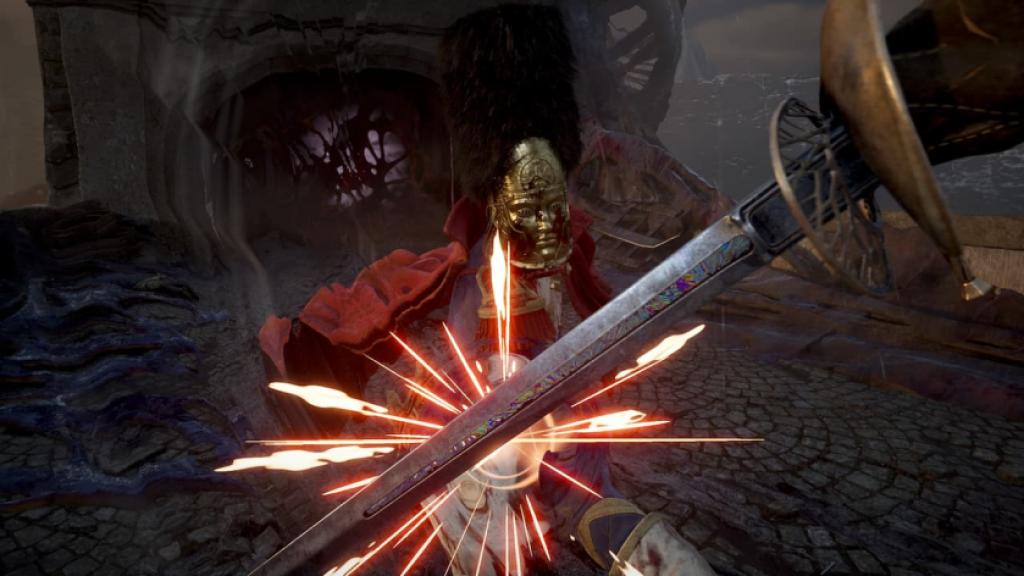
The parries are super satisfying to pull off and not at all easy, and turn the game from Bloodborne into Sekiro, which, if you’ve read anything I’ve ever written, can only be a good thing. Enemy attacks are exceptionally well-telegraphed and give you all the info you need to land a good parry, and with the game consistently running at hundreds of FPS, you’re going to land those a lot.
And since the rapier cannot block, you are forced into the parry, and thus into the game’s combat highlights. Add to this perfect dodges and staggers that you can achieve with guns and you’ve got yourself one of the most satisfying combat systems ever made in a soulslike.
Valor Mortis‘ robust roster of guns provides you with long-range capabilities, while its spells can be used to navigate the world or take specific enemies down in specific ways. The spells I found to be the most situational, with mage builds basically non-existent in the game (the spells are too few and too close-range to justify focusing on them), while the guns were pretty much ubiquitous throughout the campaign, and even necessary to progress in certain main and optional missions.
And regarding that, yes, you can get softlocked, but never during main missions. And you can always off yourself to return to the bonfire. However, it is always frustrating to run into these sorts of anti-player roadblocks, and unfortunately Valor Mortis is full of them.
The ground drops beneath your feet literally dozens of times, enemies are placed in completely unfair locations and numbers, bosses in some chapters turn into regular spawns later on, the swamp zone is the least interesting in the entire game, and so on and so forth. It ticks off every single known soulslike frustration and does nothing to remedy them, so much so that I genuinely asked, out loud: “Who angered these devs into doing this to me?” And I hope I’ll get an answer eventually.
This is how you do boss fights
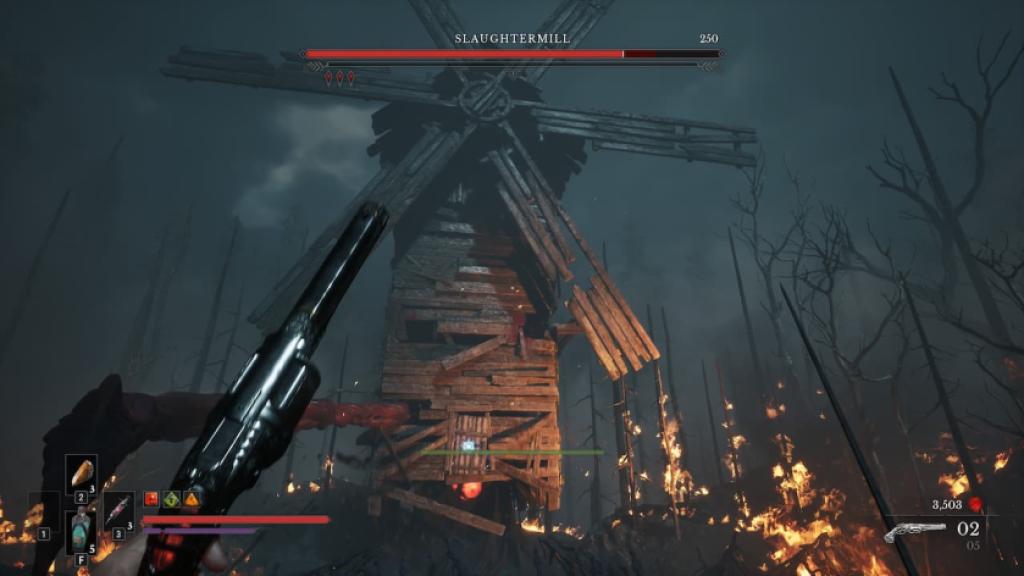
Before I head into closing arguments, I just had to make a mention of the incredible boss fights in Valor Mortis. And in particular, I want to highlight how this game loves its gimmicks and gimmick fights, and does them in ways that the Souls franchise never could. Forget Yhorm the Giant, Valor Mortis has a full-blown Windmill that you can fight head-on, proving that Don Quixote wasn’t insane at all when he fought those big spinning things so many centuries ago.
The bosses are all coded to the game’s systems, meaning you can use everything and anything at your disposal to fight them, with no part of the kit left out or made unusable. Sure, some fights will require you to use guns more than spells, for example, but most let you maximize the use of any preferred part of your arsenal to great success.
And this non-discriminatory approach to gameplay is what makes the game so satisfying overall. You can find ways around every obstacle using your own creativity and preferences, resulting in a very relaxed soulslike, which we do not see so often.
One hell of a game
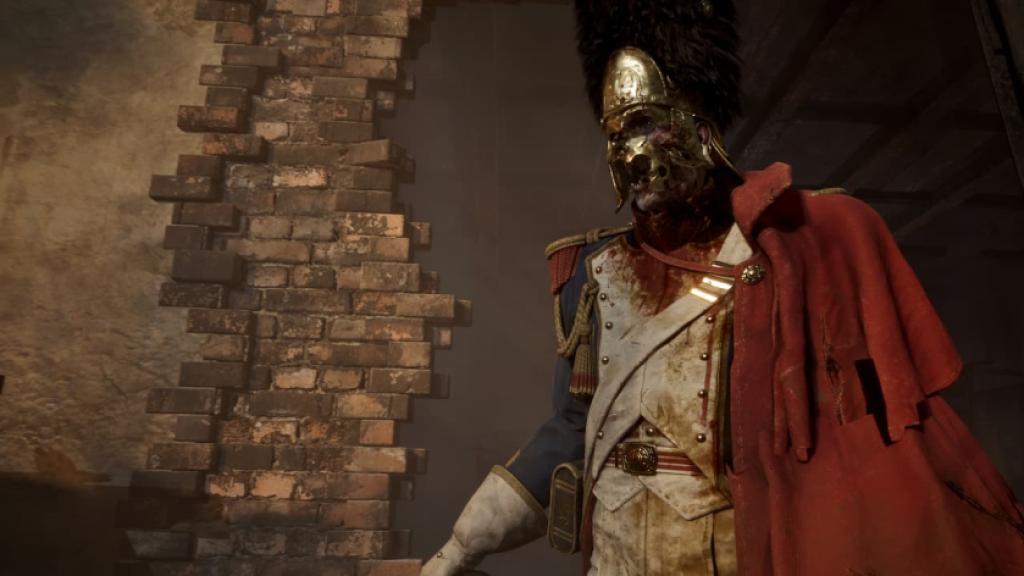
Despite its obvious and constant quirks, Valor Mortis maintains an incredible level of depth and fun that kept me coming back for more. During one session, I played the game for five hours straight and didn’t even feel them, meaning that while the frustrations are there, they don’t ruin the experience by any means.
Compare that to games like Hell Is Us that I reviewed last year. I constantly got angry at what was happening, and even yelled at the screen far too many times to count. I still loved what it had to offer, but the frustrating artificial difficulty was way too much for me to handle, and I didn’t even want to play it for more than an hour or two at once.
Valor Mortis simply maintains a level of polish throughout the whole experience that I never had a headache playing it. Well, except for when bosses had attacks so delayed I could basically never parry them. But that’s beside the point. The game is awesome to the core, has a great setting, doesn’t make many unnecessary alterations to the soulslike formula, and is the source of some of the most fun I’ve had with the genre.
And I hope the devs continue making more.


