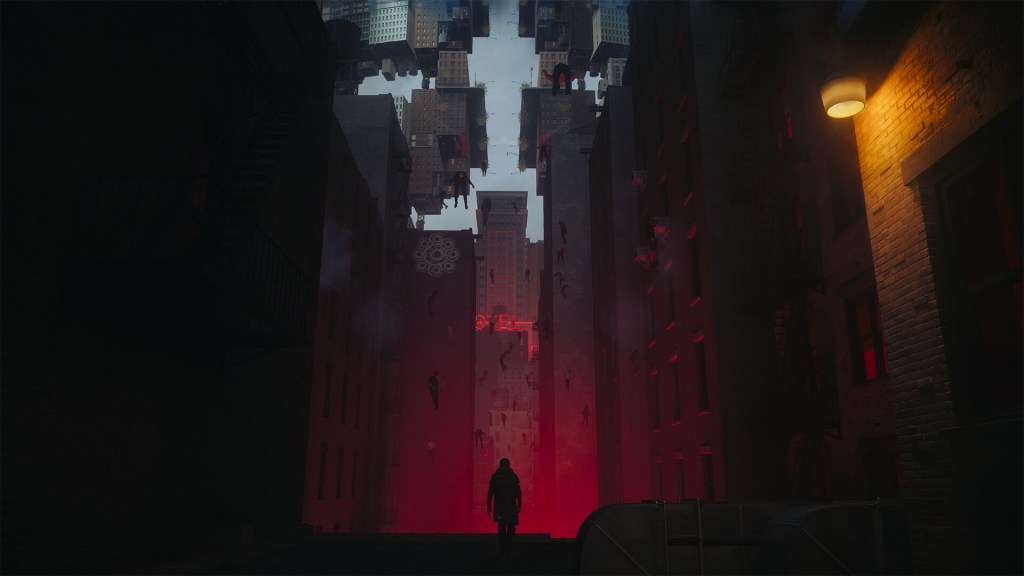


As I plot how to outsmart a camera that can freeze time, I think CONTROL Resonant isn’t that much of a deviation from the original. Then I’m back in Manhattan, dodging attacks from a possessed city bus, and I’m reassured there’s not a lot of commonality at all.
CONTROL Resonant builds an unapologetic, whiplash-inducing distance from its sibling from the first minutes. The hardest part for me was accepting how different it is, both in gameplay and in tone. The rough start is worth it: the sequel is a whole other beast, spectacular, fast-paced, and melee-focused—and unlike anything I’ve ever played.
Fight or Fight
CONTROL Resonant starts with 34-year-old Dylan Faden, who was captured as a 10-year-old by the Federal Bureau of Control (FBC) after a phenomenon in the small town of Ordinary, ME, and spent 17 years under lockdown, being experimented on by Dr. Casper Darling and his team. His sister, Jesse Faden, evaded capture, and entered the FBC headquarters looking for Dylan during the events of CONTROL in 2019.
Dylan wakes up from a seven-year coma just as Jesse disappears from the FBC. In good time, too: New York is being invaded by the Hiss, a paranatural entity that corrupts most who come in contact with it. Dylan’s “training” under the FBC made his paranatural powers particularly deadly, and he’s looking to save New York and find his sister.
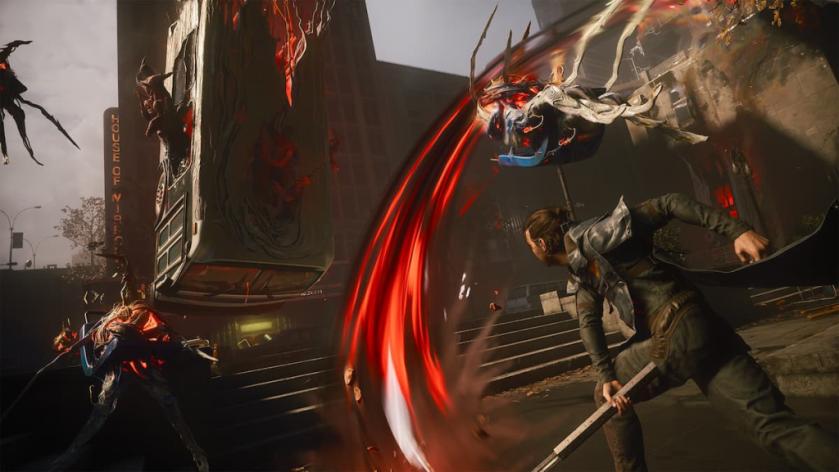
While Jesse Faden has her Service Weapon, Dylan Faden receives the Aberrant, a weapon that changes forms depending on what he needs—including a two-handed hammer, a scythe, gauntlets, twin daggers, and even a drill.
Because of that, CONTROL Resonant plays closer to a hack-and-slash than to the original title. It’s fast-paced, relentlessly aggressive, and undeniably stylish. Give Dylan a white wig and a red trench coat, and it might as well be Devil May Cry.
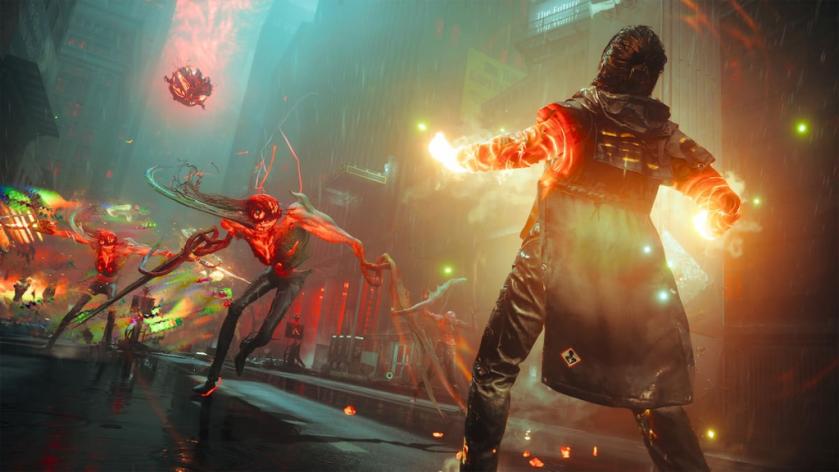
Combat is brilliantly intuitive and wildly satisfying. Attacks have a ton of weight behind them, and dodges are so snappy I often thought Dylan was doing the evading for me. I don’t recall being caught in a single animation lock, even as I was switching the Aberrant from scythe to gauntlets to a whip, and such responsiveness wins you over easily. Unlike CONTROL, you don’t lose any resources when you die, so there’s no downside to getting wrecked.
Skill trees for each style bring more depth to the combat systems and give you even more reason to explore the streets of New York. Scavenged resources can unlock new moves and improve Dylan’s overall build power. Even skills you don’t use will increase your damage, so it’s worth chasing secrets or tackling a side quest. Artifacts—like charms or amulets—and in-depth passive skill trees let you tune up your builds even more.
Bona fide boss battles and spectacular sights

CONTROL Resonant excels at creating a sense of scale. The NYC skyscrapers or the sprawling Mold in the Park District make Dylan seem minuscule in comparison. And if that wasn’t enough, try having a gargantuan human/resonance hybrid slinging red-hot lava at you.
Remedy’s newest title has a handful of genuine boss battles against Resonants, each with their own style and mechanics. In one area, you face a mutated artist that telekinetically slings rock at you. On another, it’s an unsettling, Mold-like entity with human faces and a series of minions. There’s always a big monster to take down—and always a reward waiting for you at the end.
The Resonants are a spectacle of their own, but the game’s environments take the crown. The distorted version of New York is stunning to look at, with Inception-esque vertical walls sprouting in the middle of the city and skyscrapers growing from the sky like stalactites.
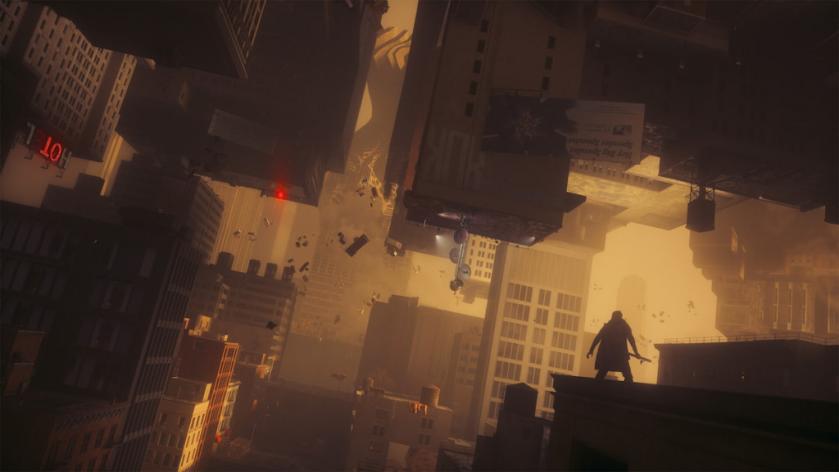
Dylan learns how to walk on walls, climbing on the upside-down rooftops of buildings or using them to reach areas that seemed inaccessible. I lost count of how many times I ran from an enemy just to soak in the sights for a bit.
Most environments are soaked in an overwhelming grandiosity, but a couple of story locations are particularly monumental, evoking CONTROL’s magnificent Ashtray Maze sequence (though the original is still king for me). It’s the kind of experience that makes you take a beat and appreciate the effort and creativity that went into the game as a whole.
A familiar story that’s almost too simple
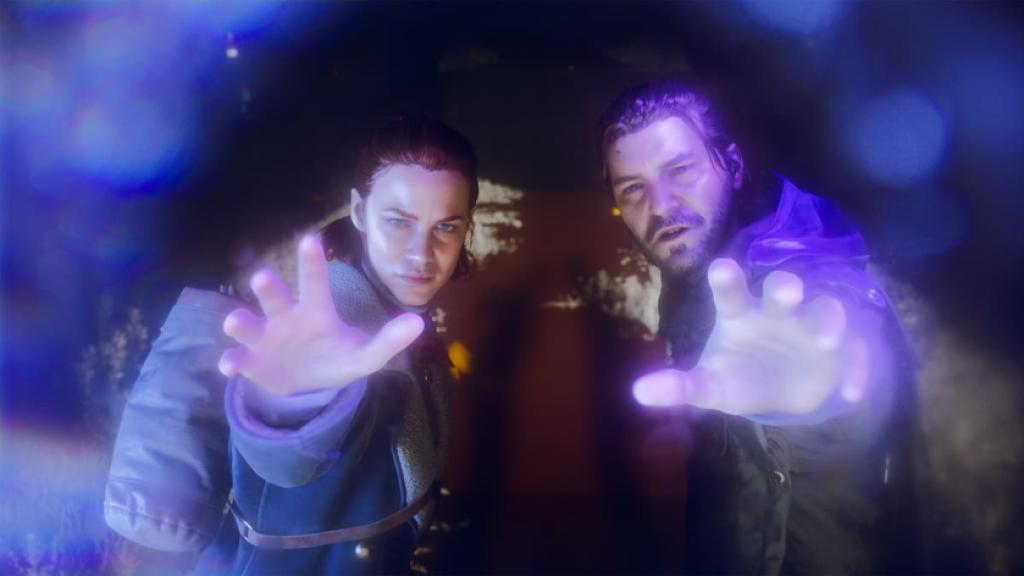
CONTROL’s story is hypnotizing, with Jesse Faden uncovering the paranatural at every corner. Resonant’s narrative is flimsy in comparison, in no small part because the first game does such a good job of raising and answering questions that there’s not a lot of mystery left.
The connection between CONTROL and Resonant seems tenuous in the beginning, despite the obvious links to the FBC and the first game. Dylan leaves the Oldest House to find Hiss all over the streets of New York. He meets agent Zoe de Vera, who eventually becomes his handler. At this point, with relatively small changes, it could be a spin-off or a new IP altogether.
But slowly, Remedy reintroduces some old faces from CONTROL. Emily Pope and Simon Arish get the spotlight—unsurprising, given their role in the original game—and show what happened during Dylan’s seven-year coma. The looming ghost of Dr. Casper Darling reappears through his videos, revisiting his dreadful experiments on Dylan. Jesse, too, plays an important role in the narrative.

In many ways, the biggest emotional payoffs of CONTROL Resonant’s story are tied to the original. The sequel sheds more light on the events in Ordinary, which led Dylan to be captured and experimented on by the FBC, and that background hits harder if you’ve also played through Jesse’s side of the story. There’s a particularly tender sequence that harks back to the siblings’ childhood, but even that overstays its welcome.
The existential threat in CONTROL Resonant has largely been explained in the original game, so the sense of wonder and discovery that defined the franchise isn’t as present. I often felt like I was always at least 80 percent sure of why things were happening, so it didn’t really keep me guessing like the original.
The dialogue and interactions with other characters help shore up the story. Zoe’s dialogue is particularly brilliant (shoutout to the writers and to VA Frankie Kevich for bringing her to life), with the agent keeping you company through comms for most of the journey. The side quests also have plenty of weird and wonderful moments, like tracking down an Altered subwoofer or fixing lightbulbs deep beneath the Oldest House—when you’re not out and about in the city.
A lived-in open world ripe for exploration
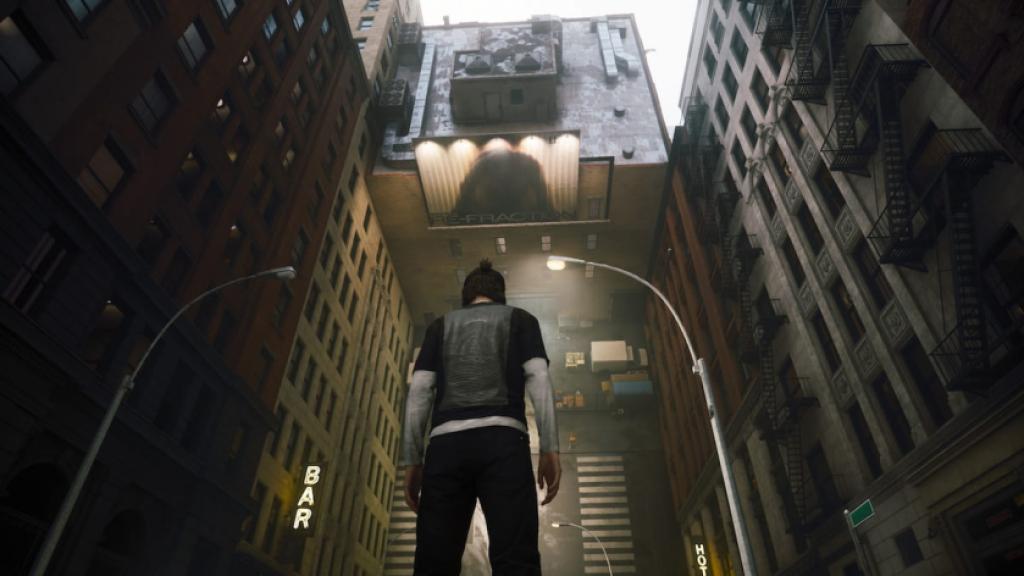
Dylan has been in the FBC Office for 24 years, so it’s time he stepped outside for a bit. The tonal shift of going outside is admittedly jarring at first, and part of me was hoping to see more and more of the Oldest House, but Resonant tells a different story.
The Hiss-ravaged New York makes an incredible setting, and Remedy took the time to make it look lived-in. It does feel like a city evacuated in a hurry: supermarkets and cafés still have their lights on, and often hide an item drop or two to make it worth your while. Each zone has its share of puzzles, which can drop items that increase Dylan’s max health or power, and world events give you valuable resources to keep gaining new passives.
The series’ signature worldbuilding remains incredible. I’ve lost count of how many times I ignored main objectives to read documents or hear idle conversation from the FBC grunts, which change depending on the story.
Dialogue prompts give you different response options, and the decisions you make alter the end of certain side quests or the dialogue you hear from Zoe. Choices often have consequences, sometimes in the form of failing to save a civilian, and those do stick with you as well, despite Zoe’s reassurances that you tried.
The verdict
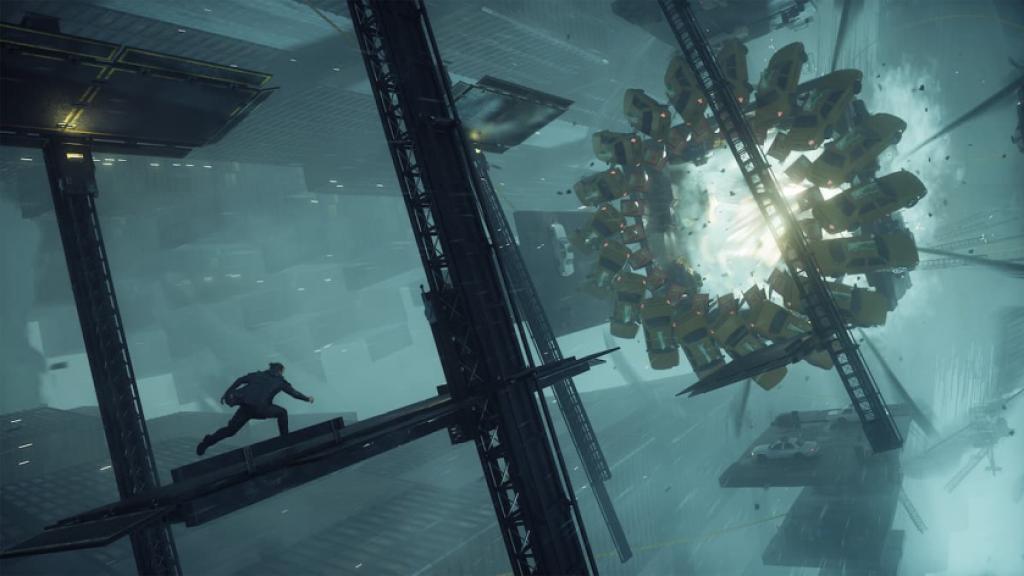
CONTROL Resonant goes in an entirely different direction compared to its sibling, ditching the mystery-soaked paranatural for a well-sculpted, high-octane approach. The story doesn’t inspire a great sense of wonder and curiosity like the original did, with its cryptic Oceanview Motel and the FBC’s esotericism. But its well-written dialogue, environmental storytelling, and entertaining side quests are enough to keep that side satiated—all while gifting you with unparalleled gameplay and mind-blowing visual effects. Odds are you’ll find yourself looking forward to a New Game + before you even finish your first run, just so you can experience some of these sequences again.


