

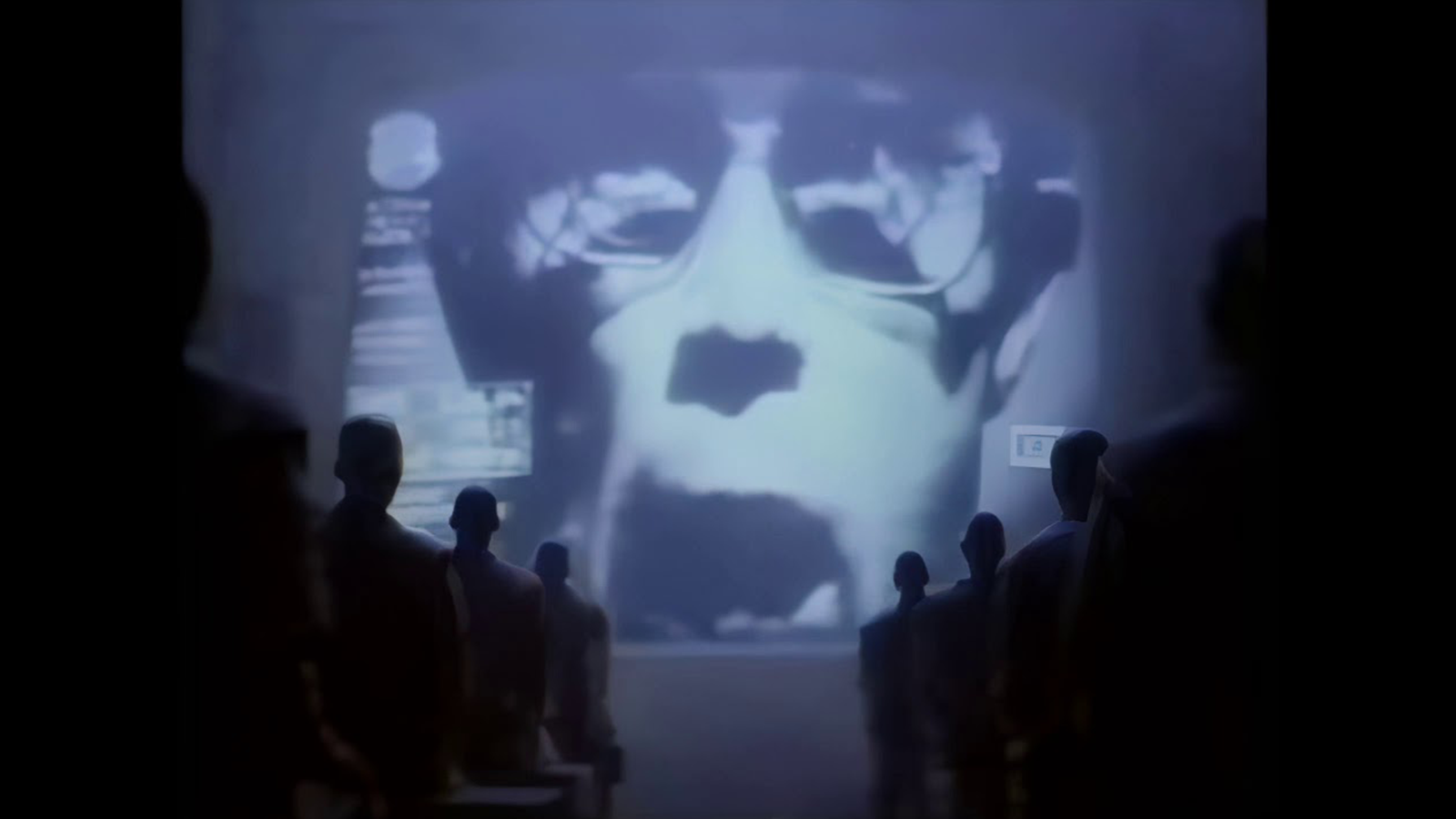
It’s Internet commonplace to see social media posts accusing anything that causes the poster mild inconvenience of being “just like 1984!”. Don’t let the Internet fool you; most people haven’t read1984, and most things in real life aren’t like1984 – even when they look like it. Don’t believe me? Well, then I hope you don’t get too shocked to learn that the image above comes not from the film adaptation of the popular novel, but from a dumb Apple Ad.
In fiction, the same applies. There’s no tale quite like 1984, but there are various other novels that invite readers to experience what it would be to live in other man-made dystopias that you really don’t want to see coming to fruition.

Fahrenheit 451 (Ray Bradbury, 1953)
What better way to set the tone for a list of dystopian books than with a novel about a world where books are banned? In the world of Fahrenheit 451, men who act and look like firefighters are actually a special kind of government-mandated police force that goes around destroying any matter of knowledge in written format. It’s not very subtle, but it’s a very prescient story about censorship. It’s also — especially for the times we live in — a very poignant tale about media preservation.
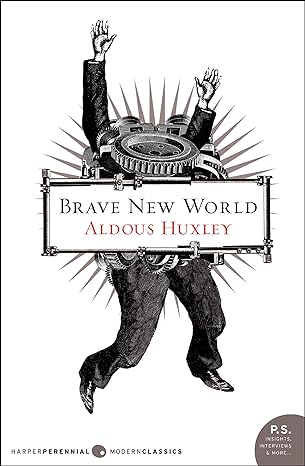
Brave New World (Aldous Huxley, 1932)
What if instead of having the boot of an evil regime constantly pressing your head against the ground, you lived in a world where you could do anything — but where nothing was all that worth doing? In a stark contrast to 1984, this even earlier look into a dystopian society warned not against regime oppression, but about a reality where people would get so bombarded with enticing-but-ultimately-empty-stimuli that they’d find themselves incapable of looking for something meaningful to do. In many ways, Brave New World proved a much more prophetic tale than 1984.

Handmaid’s Tale (Margaret Atwood, 1985)
Margaret Atwood’s most famous work tells the story of a fictional United States dealing with an epidemic of declining fertility that ends up falling to a coup that rebrands the whole thing as “The Republic of Gilead”. Gilead is a vile group of Patriarchal maniacs that make everything much worse for everyone, but especially for people outside of the ruling class who’re still capable of getting pregnant. Fertile people outside of the higher echelons of the “republic” are forced to waive their freedom and reproductive rights to become “handmaids”, surrogates who exist to carry and deliver babies to Gilead.
Though it was written in the past century, Margaret Atwood’s tale about the extortion of reproductive rights and functions echoes more true now than back when it came out.

The Trial (Franz Kafka, 1925)
And what if instead of a regime that kills any pleasure one could have in life via the harsh enforcement of hard rules, you had to contend with one marred by such ridiculous bureaucracy that it could just screw anybody’s life out of nowhere? That’s the gist of The Trial, the bizarre story of a man who’s tried by who knows who, for a crime that nobody seems to know much about. Though it’s the oldest book on this list — and definitely the weirdest — it remains ever-so-timeless.
The book’s bonkersness is so powerful that it broke through to our world. It turns out that author Franz Kafka also wouldn’t have known we’d be reading and loving his stories, as despite writing some deeply relevant work, he’d never intended for any of it to get published. The trial never ends.

Battle Royale (Koushun Takami, 1999)
Takami’s novel tells about Japan in a near future where the youths have seemingly taken the “OK Boomer” meme to the extreme and completely rebelled against the older generation. Most youths no longer even care about going to school, which led the more level-headed adults to hold a yearly event where they randomly select a classroom of students and have them all fight it out until only one is left alive.
Though the concept looks completely insane, Battle Royale is a great tale about generational divide, academic competitiveness, and yes, it’s the novel we all have to thank for the existence of games such as PUBG, Fortnite, and Apex Legends.
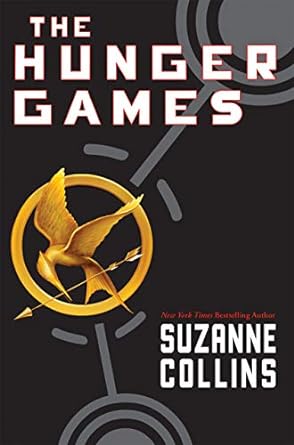
The Hunger Games (Suzanne Collins, 2008)
If anything about Battle Royale sounds enticing to you, you should consider giving Suzanne Collins’ most successful work to date a shot. It threads similar ground, but this time instead of an alternate-reality Japan, we have an entire world where yearly BR-like events are a means of controlling not just the youths, but everyone below the ruling class.
Though many argue that The Hunger Games took too much out of BR, I’d argue that it also adds many elements that make it a worthy stand alone alternative, and it’s probably a better pick for YA audiences.
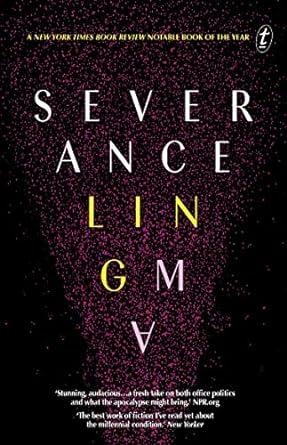
Severance (Ling Ma, 2018)
Out of all the dystopias you’ve seen so far, which one was the scariest? Well, no matter, as despite being highly comedic in nature, Severance tells the story of an incurable plague that causes the infected to just work nonstop until their bodies finally give up an die.
If that’s not scary enough, I must remind you that it was published right before our very own pandemic, so I’ll let you be the judge of author Ling Ma’s foresight abilities.

Never Let Me Go (Kazuo Ishiguro, 2005)
Never Let Me Go tells us about a near future where some children are bred just so they can have their organs donated to people that society deems “more important”. Despite its concept, Never Let Me Go shines in the depictions of the relationships between the few characters sharing this awful predicament in such a seemingly regular world.
Ishiguro’s novel is one of the most harrowing of the bunch, as even though it never portrays the brutality with which this society must enforce its awful policies, it never gives these characters a way out, either.

The Children of Men (P.D. James, 1992)
The Children of Men tells the tale of a man trying to smuggle a pregnant woman across the United Kingdom after an undisclosed problem has rendered the entire world’s population infertile. It does a great job of making the smallest glimmer of hope feel like the best thing in the world.
The Children of Men proved not only to inspire one of the greatest films of all time, but also one of the most successful games of all time, considering how it’s basically a much better version of The Last Of Us.

Lord Of The Flies (William Golding, 1954)
A dystopian society need not be a whole nation-encompassing affair; It can be a classroom-sized thing. Lord of the flies tells the story of a bunch of kids who find themselves stranded from the society that they know, which either forces or allows them to come up with their own.
Abandon all hopes of seeing the expected innocence of a child to take the reins and make this a feel good trip. Lord Of The Flies is anything but, and it’s one of the most interesting and original reads of the past century.


