


Hey! Listen!
I’ve talked in the past about how I’m not particularly a fan of the Zelda games, but it’s mostly because I’ve just never really dived into them, especially the latest open-world ones. But for Ocarina of Time, I’ve dabbled many times before and always respected it for how much it’s loved, even if I never could quite grasp the excitement myself.
As a kid, I remembered feeling overwhelmed and annoyed with the game’s controls (especially on that cumbersome Nintendo 64 controller) and muddy framerate that even then made it feel like a slog. Thankfully, with the newest version for Nintendo Switch 2, all of those issues have been assuaged to create a genuine masterpiece, reborn for modern-day gamers.
The Legend of Zelda: Ocarina of Time on Switch 2 is genuinely one of the best games I’ve ever played, and one that I think all players of all ages should experience, whether they’re a hardcore fan of the original or a newcomer going in with zero knowledge. It’s just that good.
A brilliant journey
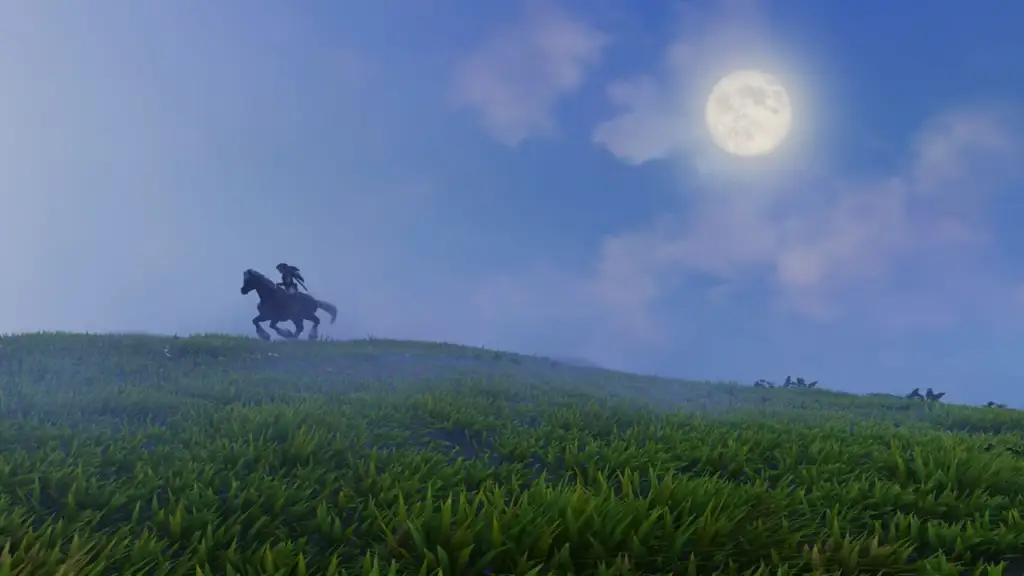
It all starts with a boy in the forest, a chosen one of sorts, who is shockingly thrust into an exciting, adorable journey to meet a princess and save the world. From there, from what I’ve gathered, it’s the same timeless story you remember from 1998. I venture to guess that long-time fans of this game will have a very emotional experience reliving it
At its heart, Ocarina of Time for Switch 2 is what I would call a respectful remake/remaster, even if many will probably feel like Nintendo played it a bit too safe this time around. The changes made here have been minimal, focusing on quality-of-life improvements like the game’s controls, visuals, and sound, to enhance the experience without changing it very much at all.
Remakes are always a tricky task, because you need to maintain the allure of the original while also making it worthwhile to play a second time around. There’s been two kinds of remakes in recent years: games like Resident Evil 4 or Final Fantasy VII, which reshape the story and gameplay in numerous ways, or Metal Gear Solid Delta: Snake Eater and Demon’s Souls, which stay very true to the original, while focusing more on modernization and quality-of-life. Ocarina of Time definitely falls into the latter.
At the outset, the beauty of modern tech and the Switch 2’s hardware is on full display, boasting some of the best visuals the new console has released yet, especially when it comes to adding details that were not possible on N64: interiors look different thanks to no longer being flat polygons, Link’s tunics have awesome designs in the fabric, and even change color when it gets wet. And then there’s little things, how Link’s mouth subtly opens when taking a breath between notes on the Ocarina (you can also play the songs in the game by humming into your Switch 2, which is just plain cool).
It’s all incredibly detailed and gorgeous, and it’s locked at a rock-solid 60 FPS throughout, creating a smooth experience that we could’ve only ever dreamed of when dealing with the 20-FPS slog the original game offered.
Putting another of my complaints about the original to rest, the controls have been reimagined for modern games and gamers, and are incredibly well optimized for the Switch 2, especially when it comes to the Pro Controller (my preferred method whenever possible). Link can now sprint, and there’s a dedicated button for jumping, making platforming sections a joy. And yes, even the Water Temple is way better now, with the ability to quickly equip and unequip the Iron Boots by pressing down on the D-pad.
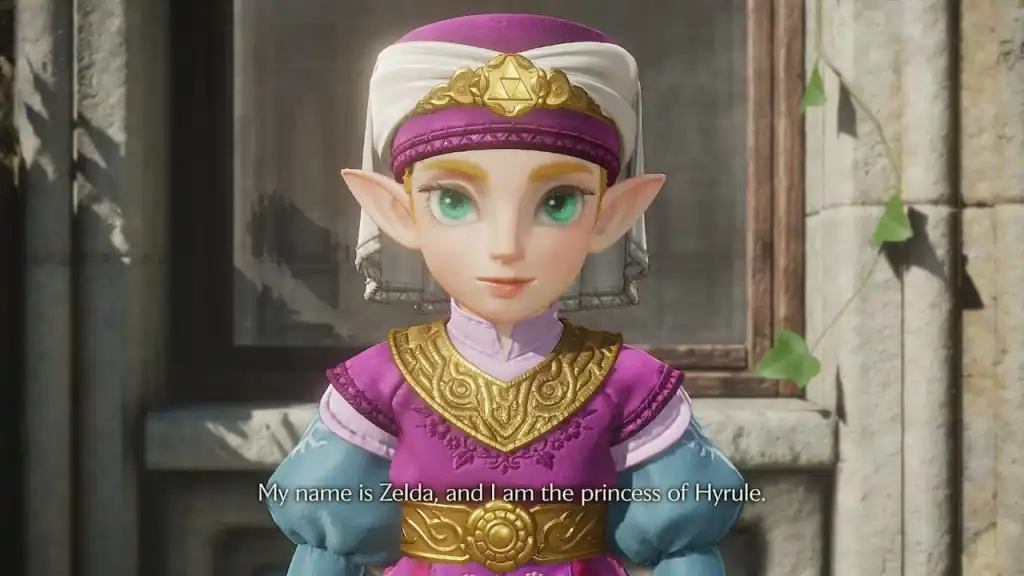
The hero can now also target foes with the ZL button and lock onto them when close, making combat a breeze, and maybe even a bit too easy, with nary a real challenge in my 25-plus hours in a first run, even with the game’s awesome and memorable boss fights. I couldn’t help but feel a bit of the adventure’s age here, so it would’ve been cool to see the combat maybe tweaked a bit to bring more of a challenge, but I don’t think it’s a huge deal either way.
This still feels like a masterclass in level design and gradual progression, all these years later. There’s no XP to earn, no checklists, just gradually getting stronger and unlocking new items to help you reach new heights on your journey, with some minor side quests to get into along the way.
Time comes for us all
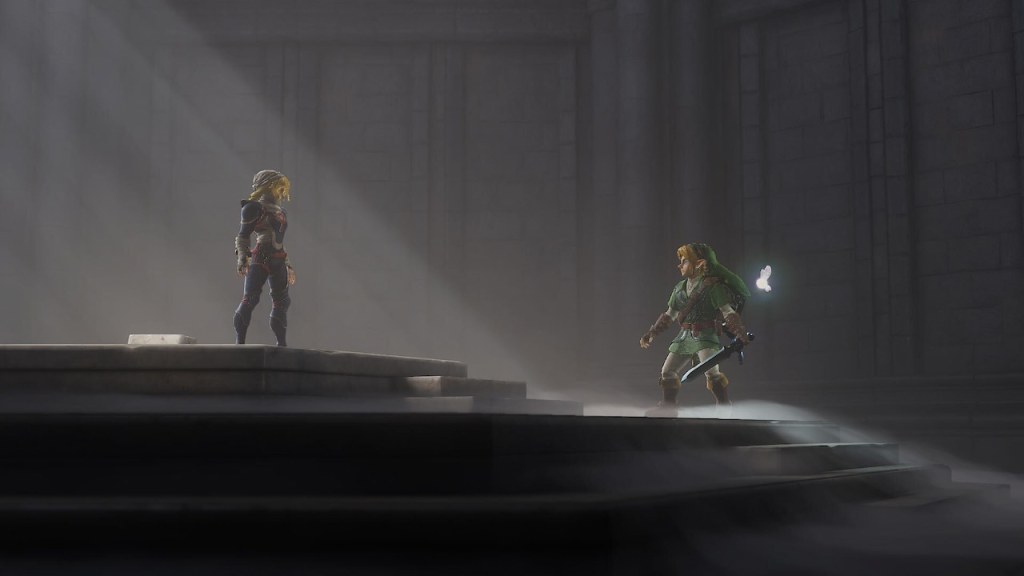
Other additions to the adventure for 2026 include Threads of Time, which is a tapestry that weaves Link’s story as you play it, but also serves as a bit of a quest log if you don’t know where to go next. This is very helpful considering there are a ton of side quests, collectibles, and minor interactions to find both in the open world and dungeons you must conquer.
You can easily learn where to go or what to do by talking to NPCs around the vast kingdom of Hyrule, but the tapestry will occasionally update with an objective that you can finish (or not) by gently pushing you in a direction. For me, it was nice to have, considering I don’t remember much about the original game.
There’s also the Hall of Fallen Foes, which is a menagerie of enemies you’ve defeated that you unlock in the later stages of the game. It serves as something of a museum, allowing to to walk around and view the models of monsters and enemies you’ve taken down, but also do battle with them again to reprise the boss fights at your leisure.
The other main difference in this version of the game is the addition of voice acting in certain cutscenes. Many of the game’s conversations are done through text dialogue, but big story beats are voice-acted by a number of important characters like Navi, the Great Deku Tree, Zelda, and of course, Ganon. Everyone here sounds great, which is easy for me to say because I haven’t had my own version of their voices in my head for a few decades like long-time fans will. But don’t worry, the silent protagonist stays silent here, too, other than his classic grunts and exclamations while exerting himself.
The changes made to Ocarina of Time feel meaningful and worthwhile, and they do nothing to detract from the original game’s legendary experience. Instead, they enhance it in every way, making an unforgettable journey more accessible and fun than it ever has been.
I got a little emotional while playing OoT on Switch 2, especially when using the Ocarina to travel to and from the past. How jealous I am of Link’s ability to travel back in time. Like Link, I first entered the Temple of Time as a child and returned as an adult. Much has changed in the 28 years since the original was released, but the charm of this game is still there, and it feels prevalent throughout, even with a “modern” art style and rerecorded musical score.
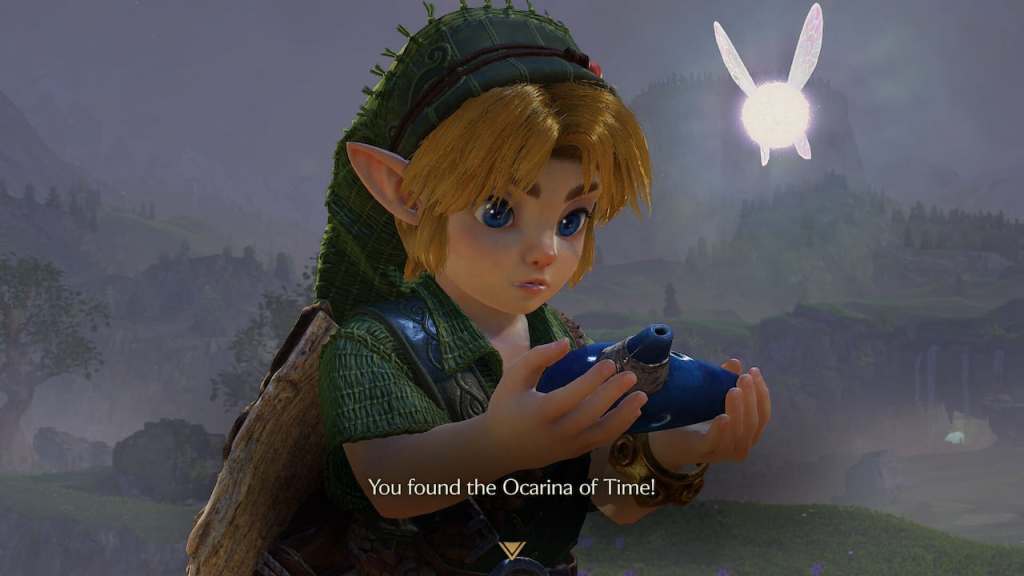
I will leave a word of warning, however: make multiple saves before heading to the last areas of the game to take on the final boss, if you want to reach 100 percent completion and take on all the game has to offer. There’s no New Game Plus option, and no real option to go back and complete things if you don’t have a separate file ready to go (I’d be happy to find out I missed something if I’m wrong here).
I’d like to close with saying that, in my professional life as a journalist and critic, I’ve always felt hesitant to give out a score like this. It’s not perfect (nothing and no game is), but I’m confident that this is the one game to break that personal barrier with. Ocarina of Time is a legendary experience for a reason, and this remake is one of the best of its kind I’ve played yet. I’m hopeful that longtime fans will enjoy it, and I know that newcomers will find a lot of fun in the franchise if they’re diving in for the first time.


