


I was caught totally off-guard by Splatoon Raiders, as both someone who enjoys looter shooter games and someone who’s never delved into the franchise much before.
The famously multiplayer series’ progression into a solo or co-op adventure for the Nintendo Switch 2 feels incredibly seamless, charmingly fun, and it’s got a gameplay loop that could satisfy even the most hardcore fans of games like Borderlands or Destiny.
Loot hard
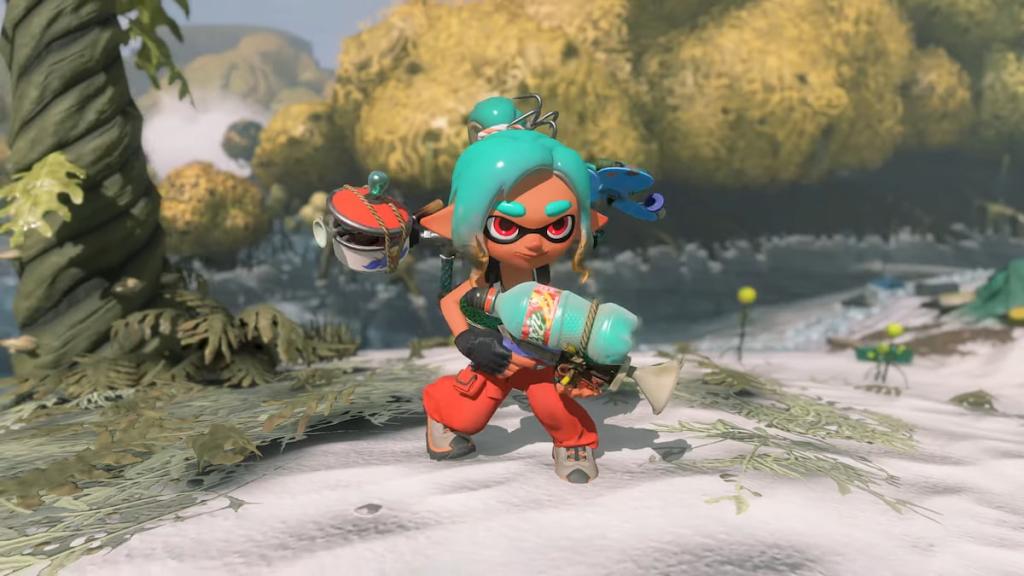
After your character’s plane crash-lands on an archipelago called the Spirhalite Islands, you and your crewmates (a series mainstay band by the name of Deep Cut) must rebuild your way home by shooting and looting Salmonid enemies across a variety of raids. And it’s delightful.
The game’s storyline feels like a backdrop for the looting fun, offering some cute dialogue in between missions, but not much else. Admittedly, I’m not well-versed in the franchise’s lore, so I’m sure long-time fans will find more to love, but I found it to be quite bare-bones in comparison to the actual gameplay.
As a looter shooter, Splatoon Raiders is all about the gear and builds. There are over 100 weapons in the game, with different levels and rarities, and all have some fun and unique ways of spreading paint all around the battleground. The higher the rarity, the more baseline abilities the weapon contains, meaning you won’t have to use those abilities in a regular slot on your build.
Throughout your adventure, you’ll find plenty of classic watergun-like paint guns that you’d expect from a shooter, but I had a lot of fun with sillier weapons like giant paintbrushes, paint rollers, and even a bow and arrow that could spray paint horizontally or vertically. Your weapon is your choice, but some are definitely better at dealing with certain waves of enemies, like the paintbrush’s wide strokes handling swarms of close-quarters foes better than a typical SMG-like gun.
Weapons, for the most part, are random drops, meaning you’re incentivized to replay levels to try and find the new hot loot. Some guns are tied to story progression, but you’ll naturally want to maximize your Salmonid-slaying skills to speedrun levels for XP and weapon drops.
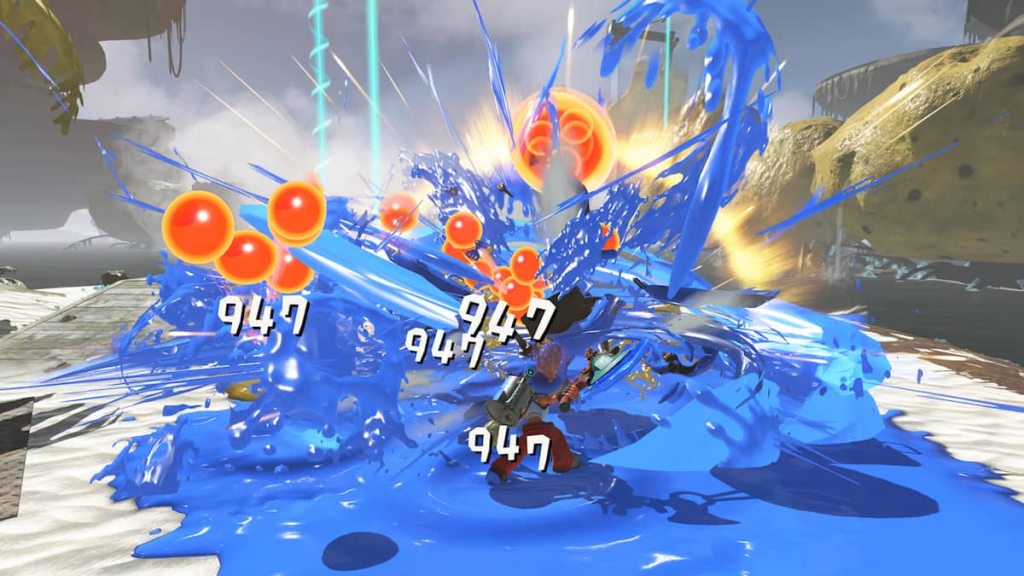
There’s a surprising amount of depth to build-crafting, centered around a few main facets of your loadout kit. Before heading out on a raid, you choose a weapon, a paint tank, gadgets equippable on said tank, Relic Powers that offer different ability buffs, and a Bot Buddy to bring along with you on your journey.
Almost everything in Splatoon Raiders can be customized. Gadgets and their Parts contain the bulk of the min-maxing, though, allowing you to totally change up your playstyle depending on which you bring with you. Each Tank has their own Gadgets you can equip, and then unlocking and upgrading Parts to put on the Gadgets can drastically shake up how you play.
Splat harder
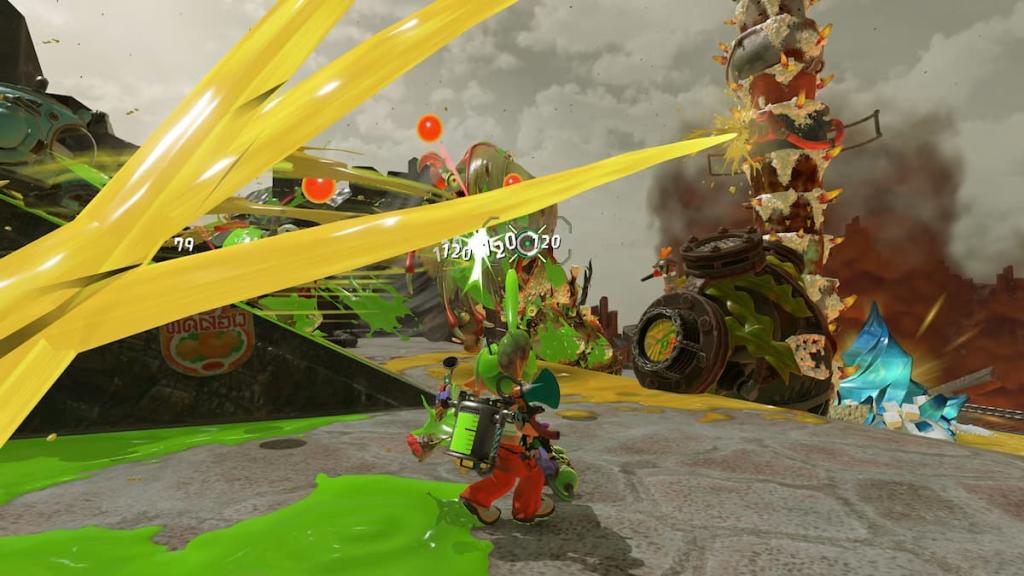
Combining the abilities of Tanks and their Gadgets with weapons and Relic Powers is where a lot of the fun is found in between games. Weapons and Parts will drop randomly from enemies as you play, and returning to your base to tweak your loadout is a necessity, especially as you advance in the story.
But at its core, Splatoon Raiders excels in its gameplay. As a solo player or in co-op for up to four players, the core gameplay loop of entering an area, slaying Salmonids with your weapons and abilities in concert, and completing your objectives is just plain fun. Learning how to master your ability combos, teaming up with a bot Deep Cut member to either bounce off their head to get above the battlefield or power them up for a special attack, and finding the right weapon and build for you is very enjoyable.
New weapons and important items drop from enemies in the world, but the loadout you choose before entering a raid is what you’re stuck with until you complete it. You can’t change anything out, like equipping a new powerful gun you found, until you return to base. You can’t even see it until then. This is a minor gripe of mine, but one I still felt nagging me in my playthrough.
Advancing in the story means an increase in difficulty, and leveling up your character to increase their individual stats (on top of what you can already do with other parts of your loadout) is the main method of gaining enough power to tackle subsequent raids and their higher levels. This inevitably means having to replay older raids on their base level or increased Spicy difficulty to gain XP, amass currency needed to upgrade yourself, or find specific items and materials you need for upgrades.
There’s a decent amount of variety in the kinds of raids you play through in Splatoon Raiders: exploration-based raids, drilling through multiple levels of a den with a boss fight at the end, time attack raids where you need to slay a certain number of enemies before the clock runs out, challenge levels, and big story moments with unique bosses. Those story missions are the best the game has to offer, and the boss fights offer unique mechanics that differ from the vast majority of basic enemies you find in general missions.
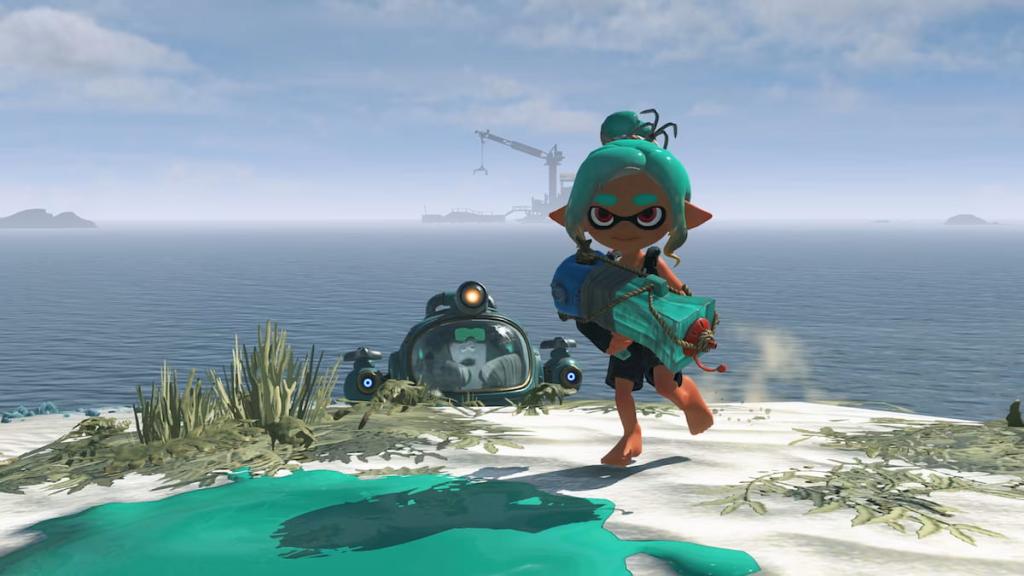
The need to replay content may bother some players, but I didn’t mind it. The Spicy difficulty level ramps up the enemy spawns and even adds new ones, adding in a wrinkle to something you’ve already experienced. The more you play and the higher the difficulty gets, the higher the enemy density, creating some incredibly satisfying and challenging moments where you splat and explode swaths of Salmonids with your weapon and abilities.
As a looter shooter should, the game does not end once the credits roll, offering up some challenging missions to take on if you wish to proceed through Spicy levels to unlock true power and maximize the strength of your build while splatting Salmonids all over the Spirhalite Islands, all while contending with keeping the map covered in your own ink so you can dive into it like a true Splatoon gamer.
There’s a lot of potential for a good amount of hours to be spent in Splatoon Raiders, which is yet another positive considering the game is very fairly priced at $50. I finished the main story in around 12 hours, but there’s a whole lot more to be done if the game gets its hooks in you, including unlocking all abilities and upgrade parts and finding secret, challenging levels strewn about the map.


