


Nostalgia is a hell of a drug, and Final Fantasy Resonance is full of it, in some unique and fun ways.
Largely repurposed from the remnants of the Final Fantasy: Brave Exvius mobile game, Resonance utilizes heroes and villains from the past as gameplay mechanics to assist in battle, and it’s all presented in a beautiful art style featuring 2D character sprites on top of well-made 3D backgrounds.
An open world map, turn-based battles, and cheesy story bring it all together to make a game that’s worth the price of admission if you’re looking for a JRPG reminiscent of a time long gone, especially in the current era of action combat that the franchise is now known for.
A glorious vision
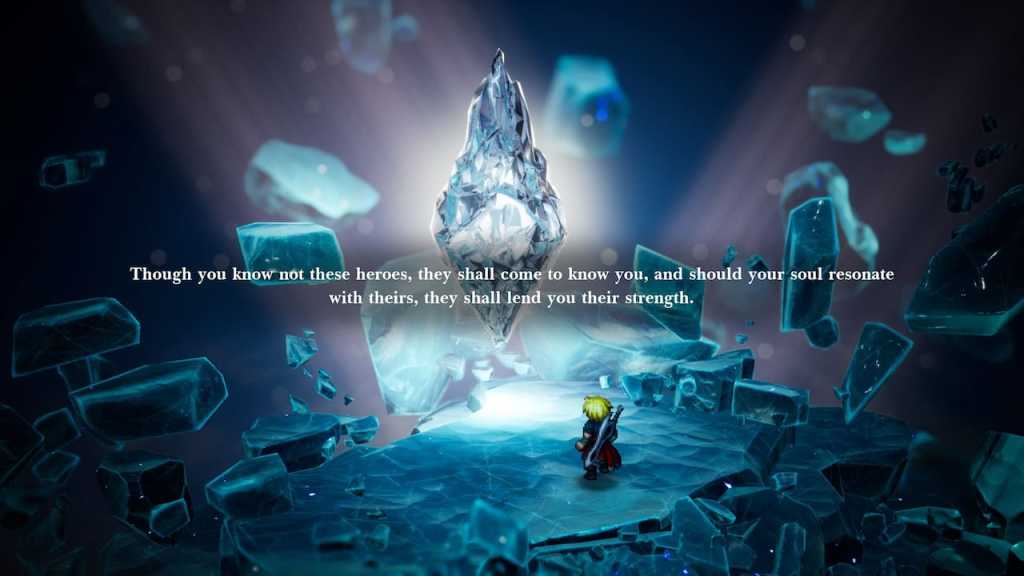
For some Final Fantasy fans, “2D” and “turn-based” is all they have to hear to be excited. And with Resonance, it rings true, because playing through its several dozens of hours feels like taking a trip into the past in mostly good ways.
Resonance tells the tale of two knights named Rain and Lasswell, tasked with protecting the Kingdom of Grandshelt. They come into contact with a mysterious woman named Fina and learn of a nefarious plot from a group of armored villains known as the Sworn Six of Paladia, who are out to destroy the world’s important elemental crystals. Yeah, crystals again.
Rain, Lasswell, and Fina head out on an important adventure to save the world from the Sworn Six, and along the way they enlist the help of assist-like characters called Visions, scattered throughout the world map. These Visions are classic characters from each entry in the Final Fantasy series, like Cloud from FF7, Terra from FF8, Noctis from FF15, Tidus from FF10, Firion from FF2, and so on.
These Visions can be equipped like a piece of gear, and they stand beside the heroes in battle, offering them their own abilities on top of more that they can acquire as they level up an affinity with them. It’s here that the game is unique from other FF titles, but also where its gacha origins are most felt.
In Brave Exvius, these Visions were part of a gacha mechanic, and they come with odd out-of-place FMV-like scenes that play out when their special attacks are triggered. These really stick out in Resonance, as does a star-tier rank-up system like you’d find in just about any other gacha title, unlocking additional abilities to equip. The only difference now is that it’s all in the game, easy to find, and not tied behind paid RNG.
These particular scenes are very weird to see, like having FF7 Remake’s Cloud Strife pop up in all of his CGI glory, overlaid on top of the game’s normal 2D-3D style, and they really took me out of the moment every time they showed up. They can be skipped, but are no less weird to experience, especially since they just appear to be stock footage with Japanese VO only.
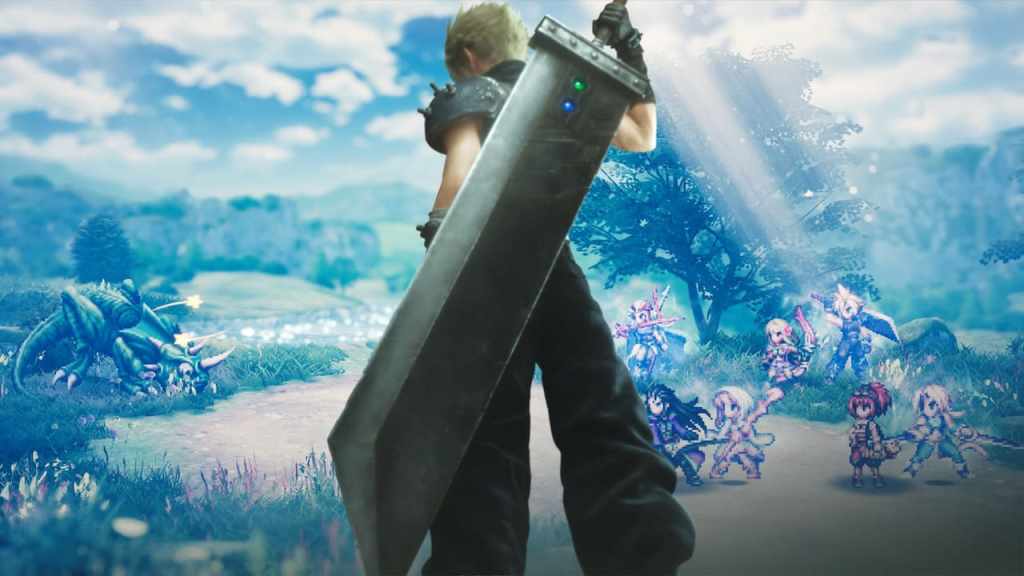
Outside of this minor drawback, the turn-based combat is a great return to the series’ origins. This time, it’s centered around exploiting elemental weaknesses and a stagger system that’s used to interrupt your foes’ powerful abilities through different phases of a fight, allowing your team to combine for group attacks and the aforementioned Vision powers to punish foes into submission. It’s reminiscent of Octopath Traveler’s Break system, albeit simpler.
Past meets future
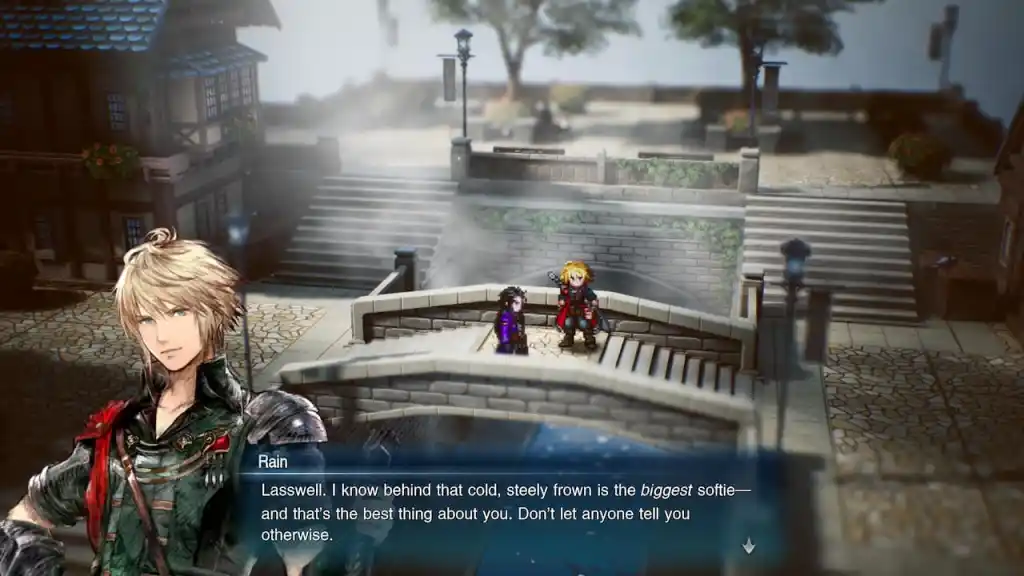
Where Resonance fell short for me is its story and world. While it uses crystals and Visions to pull its most iconic heroes from past games, the world that this particular story exists in is rather generic and flat in comparison. Rain and Lasswell are not particularly interesting protagonists, and I felt like it took a good nine or 10 hours for the plot events to really grab me in any way after a long introductory setup period. Couple that with a lot of cringy dialogue and a plain setting, and there’s a lot to be desired from the presentation in Resonance.
I enjoyed several of the game’s additional party members a bit more, like the enigmatic Fina, who is struggling with repressed memories and can somehow command powerful summons, or battle strategist Nichol and his ability to change formations mid-battle to supply different buffs. But I also found the villains to be a bit lacking and cartoonish, making for some serious eye-roll moments throughout.
Where the game does excel a bit more, however, is its side quests. These optional quests offer important exposition, worldbuilding, and gear that you can equip throughout the story, and were arguably my favorite part of the adventure. I’d highly suggest doing them all as they show up, especially since fast travel around the world map makes a bunch of them a breeze to accomplish. It’s through these ancillary characters and normal everyday people that the game’s story felt most meaningful to me.
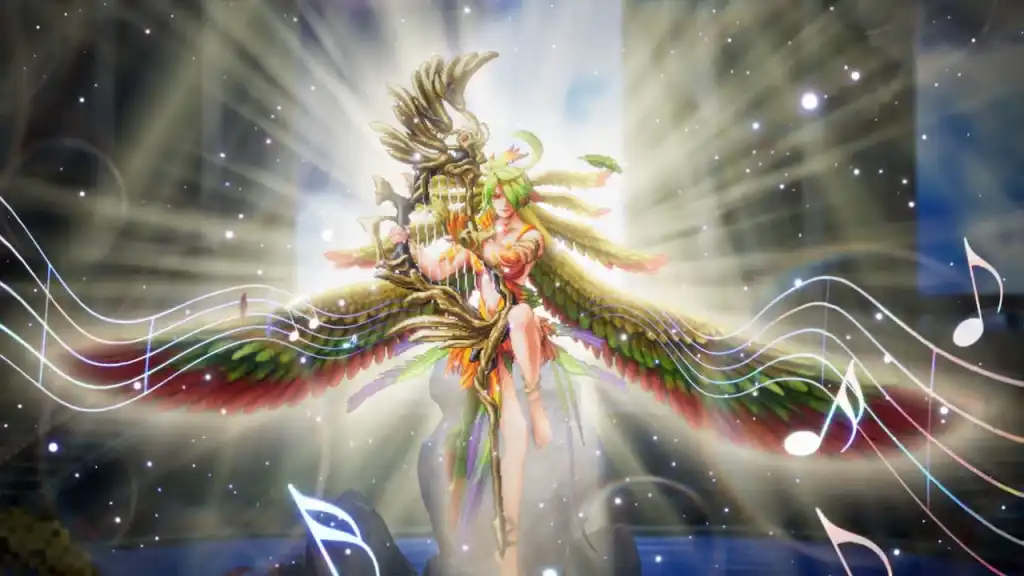
And of course, it is a Final Fantasy game, so the usual suspects are all also here: Moogles, airships, “Cid,” Cactuars, Gilgamesh, Bahamut, etc. Additionally, along with the Visions, there are classic summons called Espers that you can recruit to your cause. Their special attack cutscenes (animated in 2D) are a true beauty to sit back and watch, adding another wrinkle to how you fight your battles.
But in the end, the game is carried heavily by its art style and nostalgia, which makes it a fitting spin-off for Square Enix to release for the beloved franchise’s 40th anniversary. And if you grew up with the SNES titles, or even came to love the pixel remakes in recent years, then this is definitely worth your time.
And honestly? This alone made it feel worth it to me, without taking anything else about the game into account. It just felt nice to play a classic-style Final Fantasy game like this, especially with such a charming aesthetic. But if you’re looking for a gripping narrative and memorable new characters, then you may come away a bit disappointed.


