


It’s never easy seeing a beloved game shut down, and the apparent death of Destiny 2 hits harder than most. Much like in the beloved franchise, however, “death” can have multiple meanings. You can die to the Architects, for instance, but your guardian isn’t really dead.
Of course, sometimes, guardians die forever in what’s called a “final death,” like Cayde-6 in Forsaken. And Destiny 2‘s next update, Monument of Triumph, sure seems to fall under that category.
Here’s why Destiny 2 may not be fully dead, but also why it probably is and how the studio got to that point.
Is Destiny 2 dead?
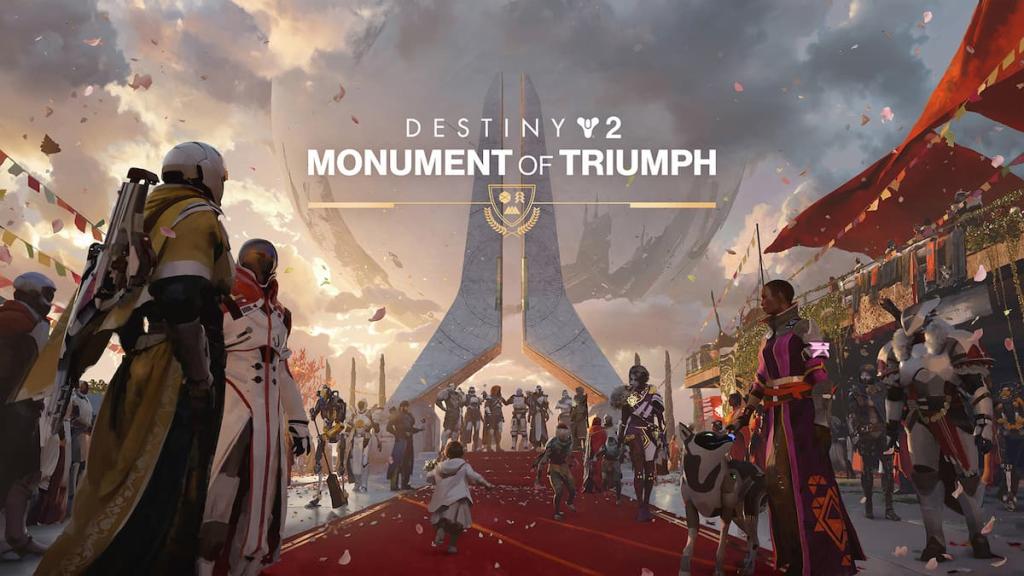
Is Destiny 2 dead? Well, that depends on how you define “dead,” but if we’re talking about getting updates: yes, Destiny 2 is dead. The game’s final major update, Monument of Triumph, is scheduled to go live on June 9, bringing a constellation of fan requests.
While the game has reached the end of its live-service life, it’s far from abandoned. Even in its darkest hours, D2 still had its share of players. If anything, Monument of Triumph giving it a dignified ending may bring back a lot of the lapsed guardians who were unhappy with Bungie’s handling of the title, especially after The Edge of Fate.
This means, you’re bound to find people to play with in most activities. It’s not like the servers will be deserted. Monument of Triumph will bring a lot more reasons to keep guardians coming back, so a player surge is likely. In that sense, D2 isn’t dead, in the same way D1 isn’t dead: it’ll still be fully playable (and seemingly in quite a good state) long after the last patch.
The game is also getting a Collection-style treatment and permanent price reductions, according to Bungie, so it’ll be easier than ever to get into the game (as easy as that can be, anyway). Maybe you can finally convince your friends to try it.
Why did Destiny 2 die?
Bungie’s official narrative is that it’s pushing D2‘s last patch to kick off a “new beginning” for a studio looking to “begin work incubating [its] next games.”
“While our love for Destiny 2 has not changed, it has become clear that after The Final Shape, we have reached the time for our shared worlds, and Destiny, to live beyond Destiny 2,” the statement reads. The huge decision comes under the direction of CEO Justin Truman, who stepped in after controversial CEO Pete Parsons retired last August.
That said, Destiny 2 was bleeding players after The Edge of Fate, with sentiment toward Bungie’s handling of the game being largely negative. It’s hard to believe this didn’t play a role in ceasing the development of new updates.
Though the studio’s wording seems to hint at a Destiny 3, the immediate future may be far from the truth. D3 reportedly isn’t in active development and Bungie’s next steps are set to include layoffs, according to Bloomberg’s Jason Schreier. The developer seems to be focusing on its extraction shooter, Marathon—which had a rocky development over the past few years and, unsurprisingly, hasn’t found the expected commercial success.

In fact, fans often point to Marathon as one of the drivers behind Destiny 2‘s demise. The studio seemingly stretched itself thin working on two titles at once (plus a litany of since-canceled incubation projects), and parts of the community have an overwhelming notion that D2 could have thrived if it didn’t have to battle its sibling for resources. The extraction shooter’s development was also remarkably rocky, including one lackluster alpha test, a six-month delay, and a colossal plagiarism scandal.
The studio’s handling of Destiny 2 after The Final Shape was also suboptimal, to say the least. The expansion was the end of the Light and Dark saga that ran since D1, and it was the last one signed by beloved game director Joe Blackburn. Despite being mostly well received, its launch was followed by a wave of layoffs—the second one in a year—which fragilized the studio.
The new game director, Tyson Green, brought a whiplash-inducing shift in The Edge of Fate, which included the addition of the reviled Portal and a soul-whittling grind. While D2 seemed to be stepping away from grinding power by The Final Shape, its successor brought it back in full force. Grinding power was basically all the content in the game. Unsurprisingly, this wasn’t well received, and the lackluster, painfully drawn-out campaign didn’t help.
It’s hard to pinpoint exactly what caused Bungie to cease development in Destiny 2, at least without some extremely detailed prodding. It seems to tie into an understaffed team—split between Marathon or laid off—sticking to an incompatible vision for too long before giving up and attempting to backtrack, all while struggling to deliver meaningful content. By then, though, the damage was done.


