


Hideo Kojima’s P.T. has finally crawled out of its digital grave. Shadow-dropped in August 2014, this was the stealth unveiling – the “Playable Teaser” – for Silent Hills, Kojima’s follow-up to Metal Gear Solid V . Silent Hills was to be his take on the beloved horror franchise, co-directed with horror superstar Guillermo Del Toro and starring Norman Reedus.
Horror gamers promptly collapsed to their knees in joy. Kojima, Del Toro, and Reedus collaborating on a new Silent Hill was a dream come true. On top of that, P.T. was incredible: terrifying, beautiful, cryptic, and unbelievably atmospheric. What could possibly go wrong…?
Well, spoiler alert: Silent Hills was canceled. Then, amidst the acrimonious mid-2010s Kojima/Konami divorce, P.T. was not only removed from the PlayStation Store, but couldn’t be re-downloaded if you were unfortunate enough to delete it. Konami was apparently so firm about this that it was one of the few PlayStation 4 titles blocked from being data-transferred to PlayStation 5.
“Don’t touch that dial now, we’re just getting started.”
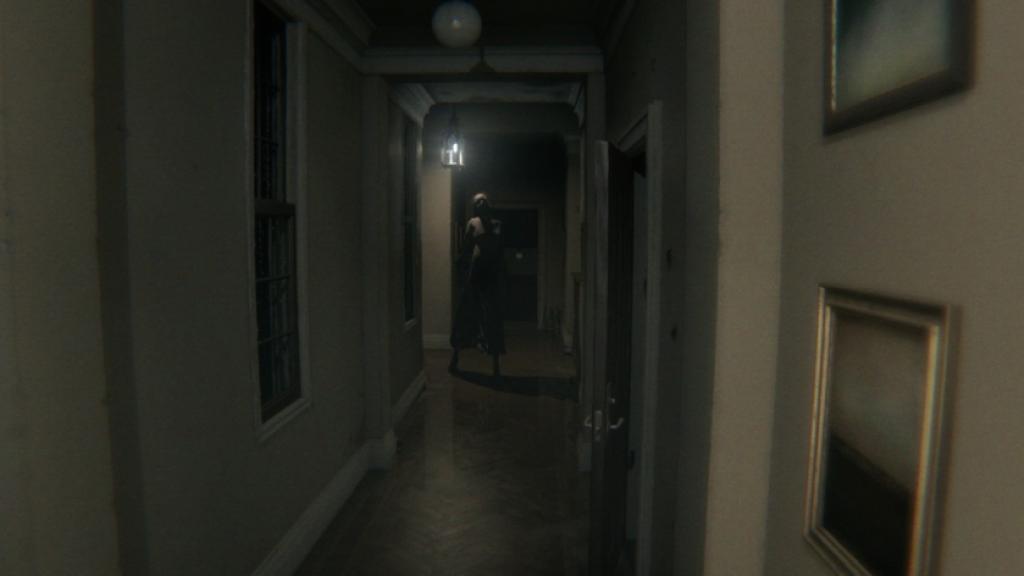
And so, having been rendered practically inaccessible, P.T.‘s reputation steadily grew. It went on to be a key influence on Resident Evil 7, its ripples were visible across the indie-horror space in countless ways, and there’s a whole bunch of its DNA in the recent Silent Hill: Townfall.
Fans have previously attempted to recreate P.T. in Unity and Unreal Engine, and though at a glance they appeared to get close, it was like someone watching a video of a Formula One car and then trying to build it from scratch. You might end up with something that looks similar, but the guts will be all wrong.
Then came solo developer Lorean Xavier, who’s performed an act of digital necromancy on P.T. via a full-on PC port. In his FAQ, he underlines that this is a “native Windows port” that runs the original game content and doesn’t require a PlayStation 4 emulator. Kojima’s Productions’ Fox Engine has been reverse-engineered in C++, delivering what he bills as “the original game experience: the same house, original content and Lua scripts, loops, events, progression and ending puzzle.”
Xavier was nice enough to give me pre-release access, and I’ve been happily playing it on my Steam Deck this morning. I’m lucky enough to have never deleted P.T., so I’ve played the original fairly recently, and I’m delighted to report that this port is the real deal: P.T. on PC.
But P.T. is not only back, it’s better than ever. As per Xavier, this comes with “DLSS, FSR, XeSS, ray tracing, photo mode, speedrun timer, a museum of the game’s content, Game+, mods, and VR if you dare.” There’s also a bevvy of PC graphical options, a microphone test, and an experimental third-person mode (you can even explore the unfinished town glimpsed in the finale).
“You’ve been chosen”
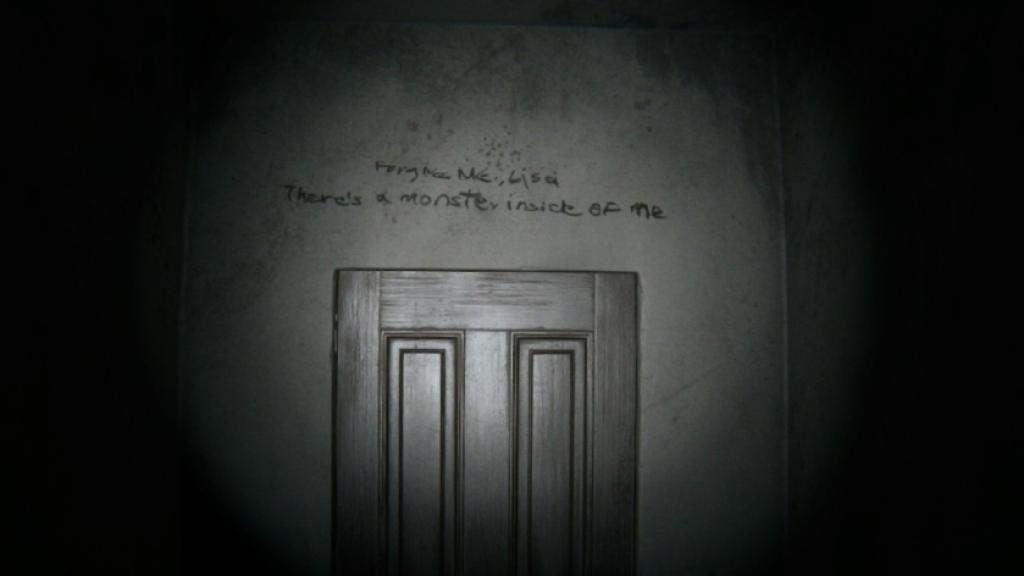
This is a professional-level port, right down to menus that preserve the game’s aesthetic and the attention to detail is impeccable. For example, there’s a puzzle that involves pressing “X” in the right place. On PlayStation 4, you naturally press the “X” button. In this port (at least on Steam Deck), the game recognized the Xbox-style button layout, and you still press “X” to proceed.
This port ran perfectly on Steam Deck and, though I haven’t had time to test it across other devices, that indicates to me it’ll run well on lower-spec machines. Perhaps that’s no great surprise: P.T. is a 12-year-old PS4 game set in a small environment. However, despite its age, the strong art direction and lighting allow it to go toe-to-toe graphically with most modern horror titles.
“I saw me walking in front of myself. But it wasn’t really me”
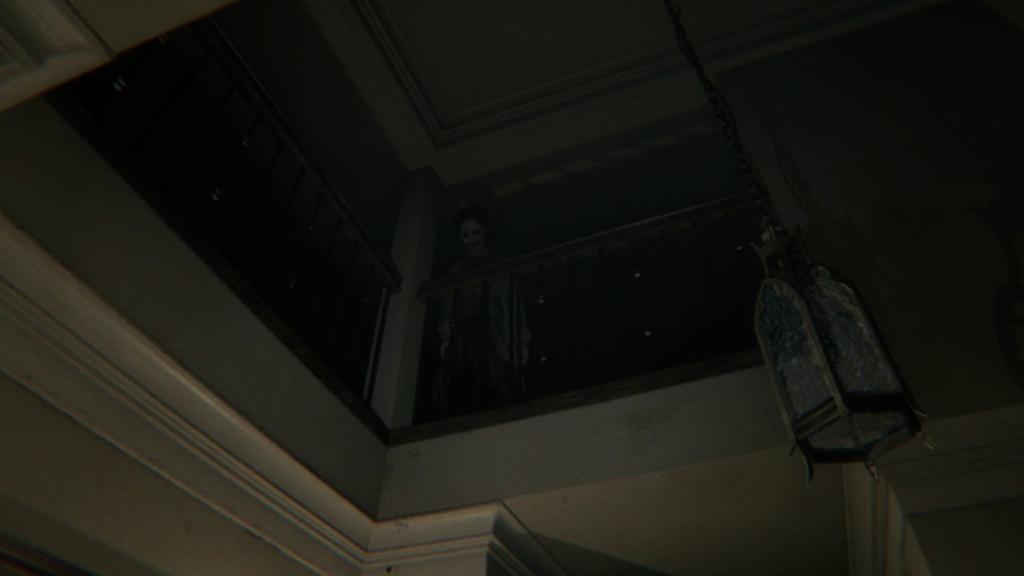
Returning to P.T. in 2026 also underlines just how great it is. Difficult-to-access games tend to develop an aura that the game itself doesn’t justify (hi, Segagaga…), but P.T. absolutely lives up to the hype. Much of its charm arises from its self-imposed limitations: the game is set in a small, endlessly repeating corridor; there’s no combat, no stealth, and little interaction with the environment.
It’s also the most dreaded of genres, the “walking simulator”. There is some light puzzling, but P.T. is fundamentally a game about slowly walking down a corridor and looking at stuff. It’s possible that this would get dull if expanded to a full title, but it absolutely works as both a “playable teaser” and a standalone horror experience. But P.T.‘s design allows it to tightly focus on creeping you out, a task it achieves more successfully than 99% of scary games.
So, a moment to celebrate for horror gamers – both those with fond memories of 2014 and those encountering P.T.’s terrifying thrills for the first time. This release also appears to be a red letter day for Kojima himself, who reposted an article about this port’s release on X.
There was always a danger that P.T.‘s mystique stemmed from Konami yanking it away from us. I wondered if it ever were to make a comeback, could it possibly ever justify its sky-high reputation? Well, it does. Even after so long rotting in obscurity, P.T. still shines, and after this port, its reputation as one of the scariest games ever made is only going to grow. Here’s hoping Kojima’s upcoming OD can match it.


