


The death of physical media is truly a sign of the times. In a world of eroding privacy, ownership rights, and consumer satisfaction, any morsel of good service is seen as God himself reaching out. The world we were born into is no longer here, but so long as companies like GOG exist, perhaps the future is not so grim.
As reported by Games Radar, GOG would love to bring back physical PC discs, something that hasn’t been around for well over a decade now. Sure, collector’s editions and unique prints exist, but physical PC games are, put simply, a thing of the past. Digital stores dominate this side of gaming, and when we had 15 years of lightning-fast development bringing us huge and incredibly quick SSDs, as well as amazing internet connections, why wouldn’t they?
Steam is pretty much as good as a digital store can be regarding ownership and DRM-free copies. Things simply fell into place like a jigsaw puzzle, and so here we are with the vast majority of PC gamers not even owning disc drivers anymore. In spite of that, though, GOG remains committed to reigniting this lost art, with its senior business manager Marcin Paczynski saying it’s his “dream” to see it come to fruition.
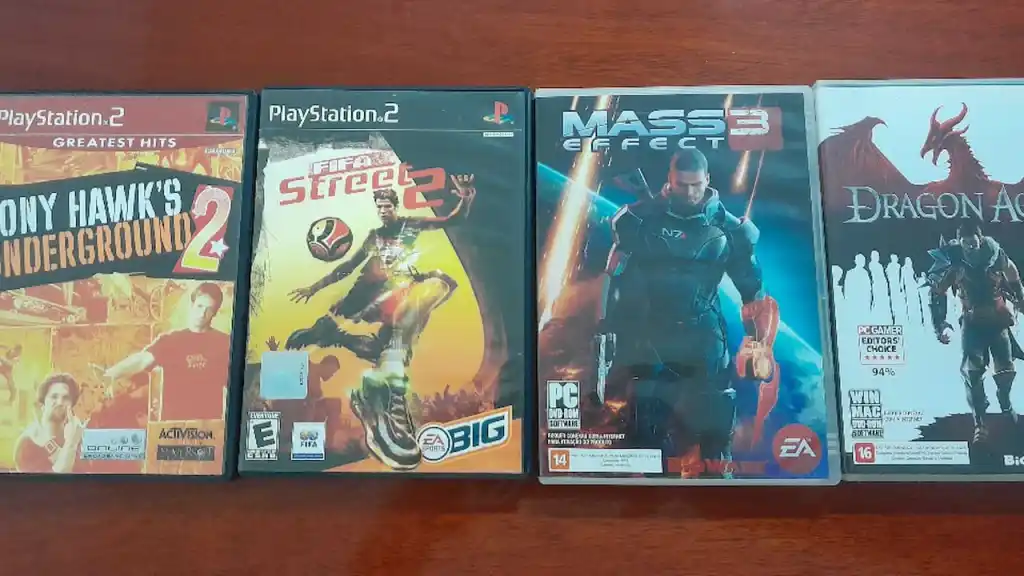
“Ideally, my dream would be to be able to buy physical versions of those games on GOG. You go to your shelf on GOG, you click on the game that you would like to receive a physical copy of, you order it, and it gets to you. That would be a perfect scenario.”
In this case, you would actually get the best of both worlds: a digital copy, as well as a physical one if you want to REALLY keep it stored in a safe space. Keep in mind that GOG sells DRM-free copies only, meaning no publisher can take it away from you, nor do you need any underlying software to play these games, turning the disc into a sort of collectible if anything.
Creating a whole business based on this idea is “a very, very complicated thing,” Paczynski told Games Radar, not least because it’s “totally different from what we are currently doing.”
“Because we are talking about physical media, we need to think about logistics. We need to think about storage,” he said. Getting licensing deals and approvals from respective publishers is yet another hurdle to surmount, but the company remains very keen on the idea. “I really hope that at some point we will be able to do it. We’ll see,” Paczynski concluded.
Physical games are on their way out—not because no one wants them, but because publishers merely want to cut costs and save money on providing you the one service they have. We saw that even in the case of Sony, a company incredibly devoted to killing off not only physical games but perhaps even Blu-ray as a technology, its own first-party games had 30 percent of total sales be physical. Of course, Sony has to relinquish a 30-percent cut taken by retailers and must fund the production of boxes and, well, the printing of the discs themselves, which comes at a great overall cost at such a high volume.
So, physical media is very much beloved by the gaming world. But with everything being stupid expensive nowadays and corporations becoming greedier and greedier, it’s become excess fat that must be trimmed.


