

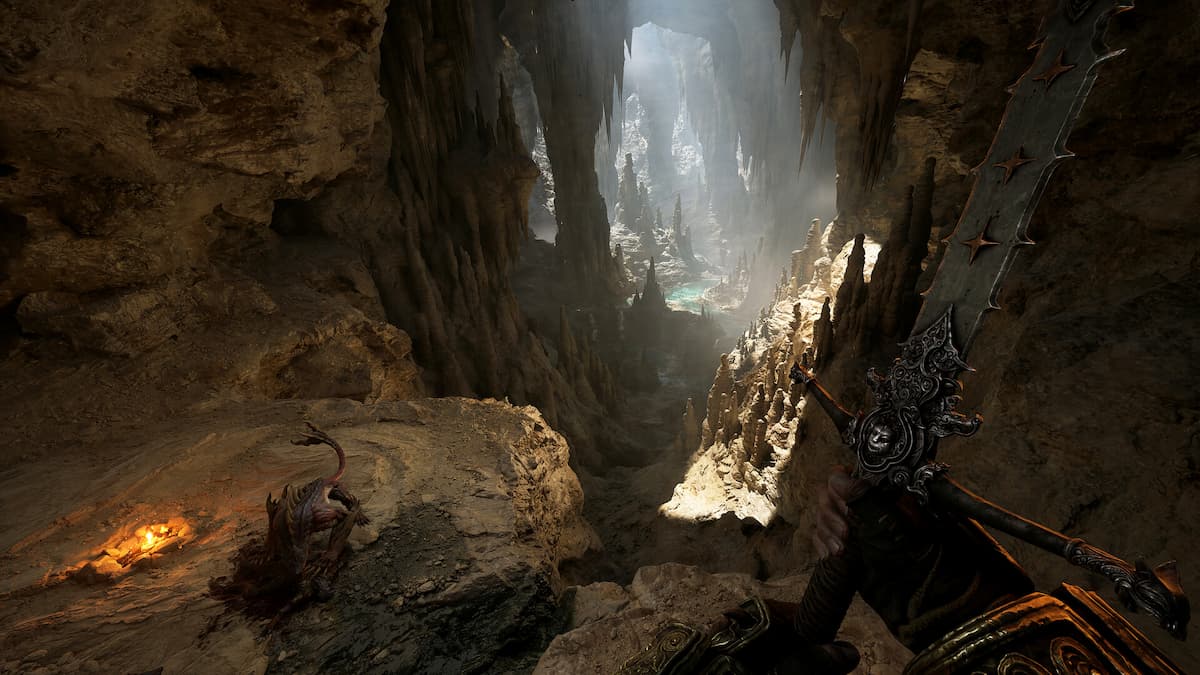
A few weeks ago, I accidentally became aware of Fatekeeper, and as soon as I saw those screenshots, I immediately knew something big was in the works. Developed by a very small team, Fatekeeper is one of the best-looking games I’ve ever played and proves video game graphics have a lot of progress left in the tank.
The game came out in early access yesterday, June 2, for the low, low price of around 10 bucks. Yes, you read that right: a game with AAA graphics and gameplay costs less than a fast food combo in 2026, though there is a small catch. The game is, as I noted, in early access, meaning its content, campaign, and mechanics remain rather limited compared to what the developers want to achieve with it.
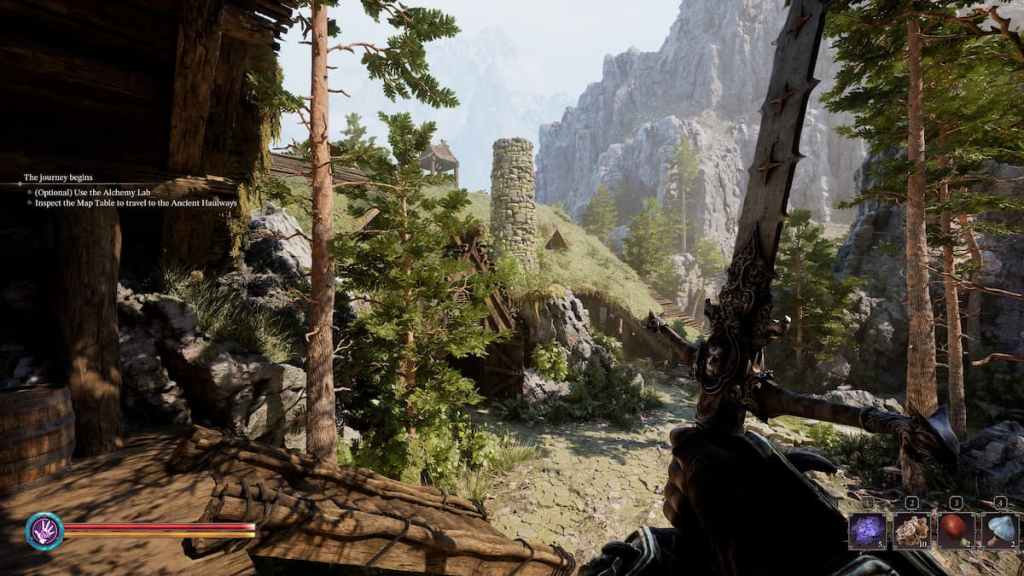
But even in this state, it provides you with more than enough wonder and awe and fun that it genuinely earns those 10 bucks and possibly even more.
You start the game as a Watcher, a mysterious barbarian-looking dude with a talking rat slithering over his body. The rat is your companion and follows you through thick and thin, though while he does have a knack for a lot of talking, he doesn’t do a lot of fighting from the bits I’ve seen.
It’s a first-person fantasy RPG drawing heavy inspiration from 1980s sword-and-sorcery movies and classic pre-Tolkien stories, taking you through gruesome war-torn environments and awe-inspiring ancient temples.
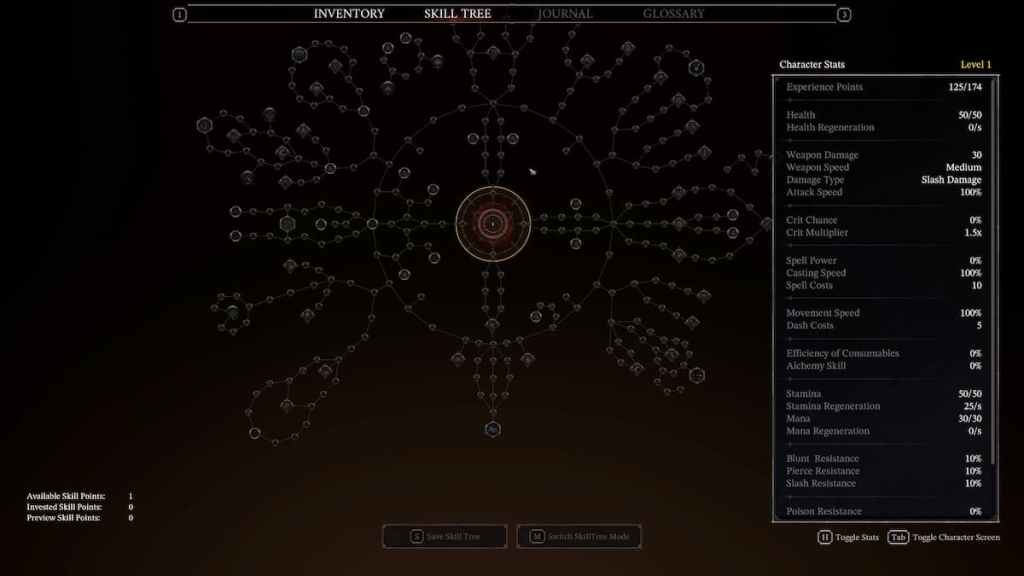
The combat is heavily reminiscent of Skyrim‘s, though there’s a sprinkle of ARPGs like Path of Exile in here as well when it comes to builds and gearing. Every time you swing your sword or axe, you genuinely feel as if the weapon is being used. It has weight and power behind it. Striking enemies is visceral and leaves marks, with killing blows sending heads and limbs flying through the environment.
On top of that, you have your handy spells (wink, wink), ranging from telekinesis to fireballs to ice shards.
But the best part about this game, at least when it comes to its current version, is the graphics. This is possibly the best-looking game of this year, both in terms of raw graphical fidelity represented by impeccable texture quality, resolution and lighting and in terms of art direction and attention to detail. Every part of the world you inhabit appears to have been painstakingly modeled and refined down to the minutia, and nothing feels out of place or random.
Effort and care seem to be everywhere, with the whole environment deliberate in design.
Even rudimentary props like vases and gates you’ll only see glimpses of are highly detailed and intricate, not to mention the larger aspects of the environment like statues, weapons, armor, enemies, background temples, structures and buildings, etc. It’s breathtaking throughout its brief early access run, and I think I’ve snapped more screenshots in the hour I played than I did in most other games, with 15 times more time poured into them.
And since it runs on Unreal Engine 5 and runs surprisingly well, even if you do have to sacrifice a good chunk of performance to max everything out, it gives me some indications of how The Witcher 4 might end up looking. If it’s anywhere near this, applied to a vast and epic open world, I think we’re in for levels of graphical fidelity never seen before.
Great times are ahead of us, and we’re nearer to photorealism than at any point in gaming’s long history. Let’s just hope performance follows suit, because this game, even though it runs well, still needs a beefy machine to pull it off. And that’s not amazing considering PC part prices nowadays.


