


Destiny 2, like most of its guardians, seemed to withstand almost any ordeal. Big blunders were followed by unexpected, nearly magical wins. Any longtime player can attest to its cycle of stalwart glory and inevitable decadence—or, as my clanmates call it, “it’s so over” and “we’re so back.”
Disaster truly struck with The Edge of Fate last year, marking a major departure from the game’s old vision. The expansion cranked the grind up to 11, watering it down to a few activities that mattered. The rest of the drops weren’t aligned to the tier system or didn’t raise your power—essentially, they became obsolete.
Devoid of most of its meaningful content after The Edge of Fate, Destiny 2 seemed to resign itself to mediocrity—a tragic fate for a game that excelled in a lot of what it tried. Instead of quickly backtracking on overwhelmingly negative feedback, a morose leadership let the community’s resentment fester, creating the image that it was either unwilling or unable to salvage the game. The end seemed like a matter of “when,” not “if.”
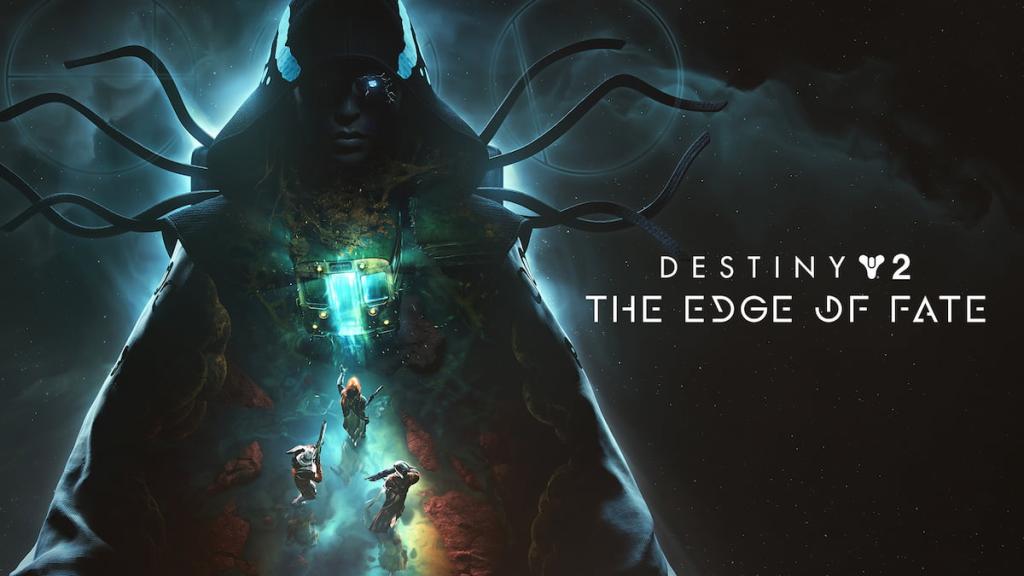
Defiantly, the game’s swansong update retaliates by bombarding guardians with love, loot, and a litany of patch notes—71 pages’ worth of them, by the team’s admission. With Monument of Triumph, almost anything in the game will be worth doing, granting you new, powerful drops to chase. The cosmetic tap is open with Bright Engram focusing and a loaded rewards pass. It’s the best time to play Destiny 2, despite the imminent end to the game’s life as a live-service title.
Dying can be commonplace in the Destiny 2 universe, and not in a Game of Thrones way. Lord Shaxx died 14 times while fighting an Ahamkara before landing a killing blow. Crow caught a shotgun slug to the heart and came back with a smile and a quip. Guardians can get out of most predicaments as long as they have their Ghosts. Final deaths, however, are few and far between.
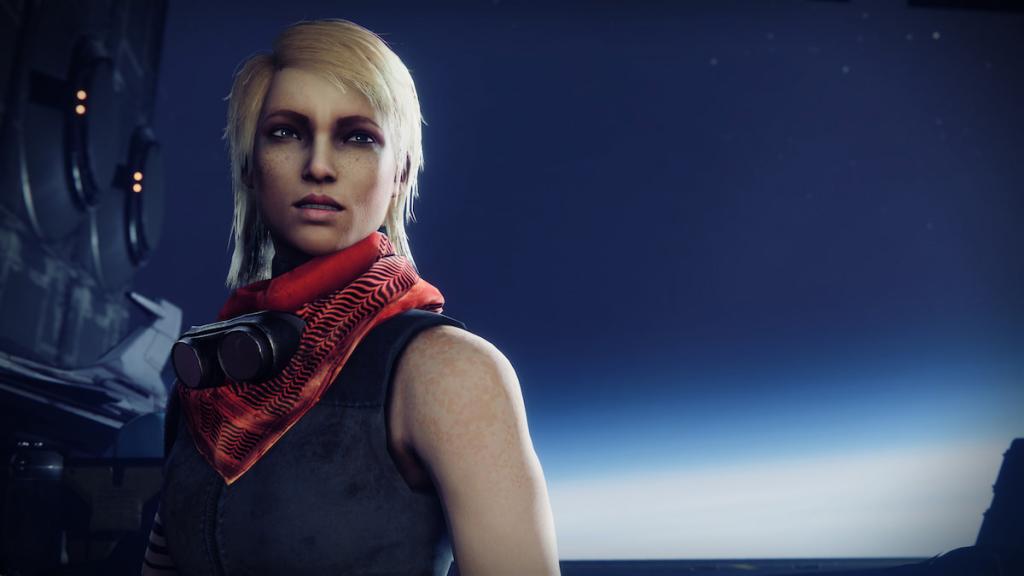
Dutiful pilot Amanda Holliday lost her one life during a cutscene in Season of Defiance, which was removed from the game years ago. She wasn’t a Lightbearer, so she couldn’t come back unscathed.
Despite the inherent dramatic potential of losing a character forever, Holliday’s fate felt forced, purposeless, and utterly unnecessary, especially considering she was with the audience since the original Destiny. It lacked impact or gravity, even with a heartfelt goodbye from Zavala; it seemed someone’s head had to roll, for whatever reason, and Amanda drew the short straw.
Destiny 2’s end would be a lot like Holliday’s if not for Monument of Triumph. The game became an undead husk of its former self after The Edge of Fate, decaying very rapidly and very publicly. Instead, the game is going out like Cayde-6, the former Hunter Vanguard who died in Forsaken.
Did Cayde need to die? After almost eight years, the answer doesn’t seem to matter. His death had a gigantic impact on the game’s universe—maybe bigger than if he’d lived—and that may justify sacrificing him, as painful as killing one’s darlings may be. Life seems to have the same fate in store for the game.
Daring to embody Bungie’s motto, per audacia ad astra—loosely, “through boldness to the stars”— Destiny 2 is becoming bigger in the final moments of its life as a live-service. This is the game’s Cayde-6 comeback moment, reappearing from the dead for one last universe-defining fight.
Droves of players are already coming back, longstanding fan requests are finally making their way to the game, and hundreds of newly tiered weapons are slated to appear across multiple activities. The game’s “death” will freeze it in one of the best states we’ve had in years, and the servers will keep on running for newcomers and veterans alike. There’s arguably more life in Monument of Triumph than in the year before it.
Destiny 2—and all the people who helped make it special throughout its lifetime—deserved better. In the end, at least the game was brave enough to die with dignity, honoring the heroic moments that crowned it rather than the disenchantment that decimated it. Guardians make their own fate, after all.


