

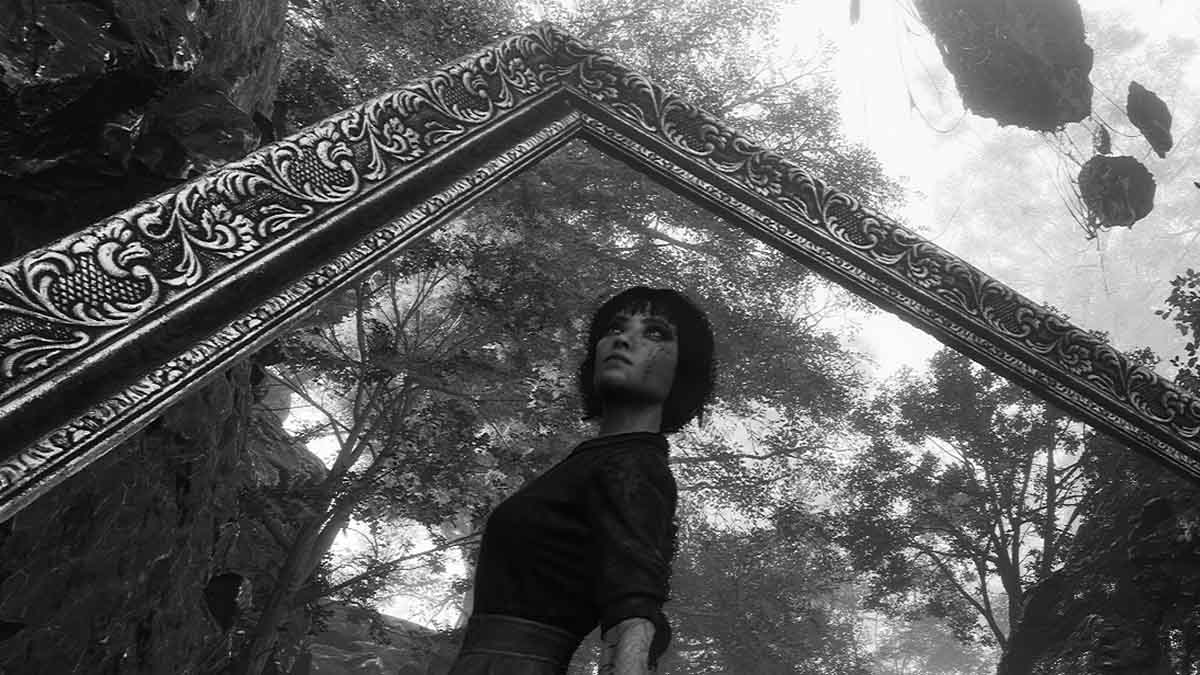
Clair Obscure: Expedition 33 is one of the most beloved games of all time. One so powerful I’d wager it’ll be capable of opening minds long ago closed, or at least guide its fans to a game it owes a lot to that never got its due.
2024 saw the 25th anniversary of Final Fantasy VIII, and you’re completely excused not to have noticed, as Square Enix seemingly didn’t, either. The company famous for celebrating its past by remaking Final Fantasy VII over not one but three times pretty much ignored the important anniversary date of a game that sold almost nine million copies on its original run. That’s just a million short of 7’s numbers, making it the original PS1’s fourth best-selling game of all time.
I’d never ask for a remake of VIII. I believe it remains a timeless masterpiece, so just any kind of celebration would’ve been in order. We didn’t get a deserving one, or not officially, at least. Then came 2025, and with it a JRPG-style game from France, no less, that seemed to bear a few spiritual resemblances not just to the genre at large, but to Final Fantasy 8, specifically. It has many elements outsiders would easily shrug off as coincidental, but that anyone who’d grown up with VIII would never be able to unsee.
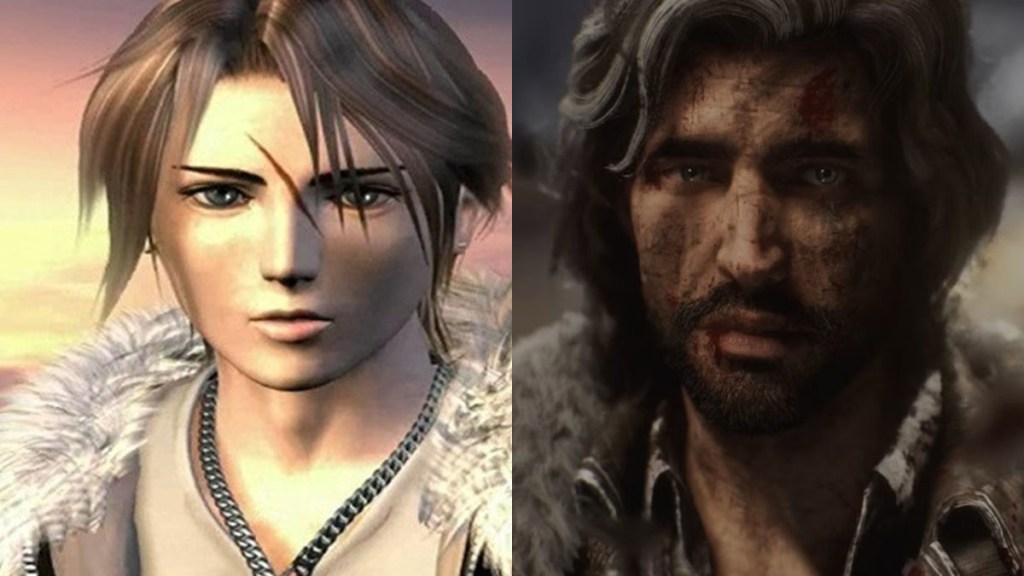
Final Fantasy VIII’s mechanics gave life to Expedition 33. Yes, even the wilder ones.
Mention Final Fantasy 8 alone in the woods, and you’ll hear the echo of a fan claiming its mechanics suck. The creepy voice has a point, especially when it comes to forcing players to choose between having magic equipped to make characters stronger or using said magic and slowly weakening your party. Still, that’s far from the only new thing FF8 tried in terms of gameplay.
With the trigger mechanics, which challenge players to press R1 at the right time for a crit, Square Enix stumbled onto a natural evolution of turn-based combat. Vagrant Story did similar things. Still, one did poorly with fans, the other didn’t sell, so the company ditched anything of the sort for Final Fantasy IX and X, and only briefly played with it in XII’s Quickenings. The series would make a complete pivot into action territory with Final Fantasy XV and XVI, forcing these mechanics, rife with potential, to spend 25 years on the back burner. It took Expedition 33 to unearth them for players to finally realize Final Fantasy VIII had excellent gameplay ideas and that the problem was, perhaps, that it didn’t go even wilder with them.
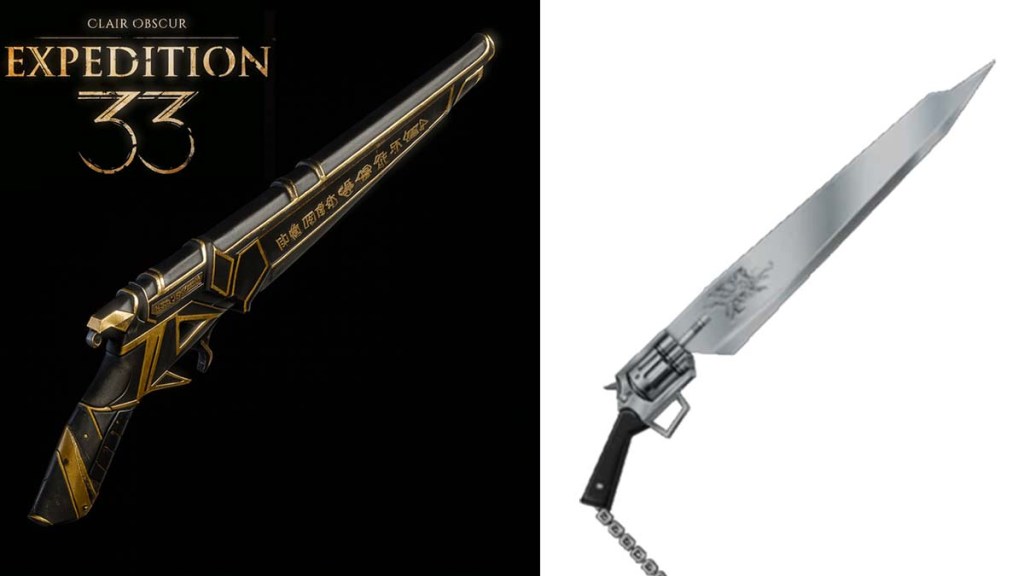
Final Fantasy VIII’s junction system also caught its fair share of criticism, supposedly for being too complex. Still, it’s actually a much simpler version of Expedition 33’s Pictos and Lumina system, which nobody is complaining about.
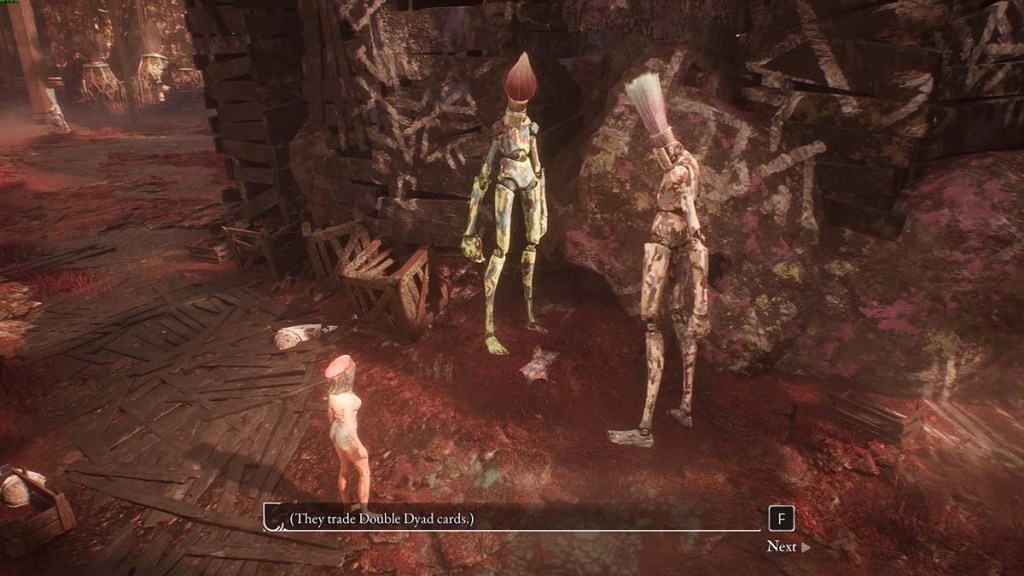
Even with the dark shadow of fan hate forever looming over it, there’s little doubt regarding the quality of FF8‘s minigame, Triple Triad, which many consider the best of all time. All of Expedition 33’s minigames are original enough. They’re all pretty fun, but none are as engrossing as Triple Triad. Instead of even trying to upstage it, E33 instead makes a hilarious reference to “Double Dyad.”
Expedition carries Final Fantasy VIII’s will to tell a bonkers story
Much like FF8, Expedition 33 also features several plot twists, some that completely shift your perspective on the entire game midway through, but, unlike FF8‘s wild turns, Expedition 33’s were mostly met with praise. I agree that E33 does a better job with its most explosive reveals by tying them directly to the characters and the feelings we’ve developed toward them (rather than aiming for a mind-blowing effect).
Still, many elements are quite similar and, without spoiling anything, I’m willing to bet the very different response also lies largely in how much audiences have matured in their reading of video game narratives.
So much is up for debate, like how the effects of an impactful event in the world of FF8 called time compression might’ve inspired the looks of Expedition 33’s Lumière. Most of this, however, is a fact. Guillaume Broche, the director of E33, other key developers, and even the co-main voice actor, Ben Starr, have cited FF8 as their favorite title, and looking for all the inspiration taken almost doubles as another cool minigame.
Both games understand beauty like no other
One little-talked-about characteristic of FF8 is its ability to suck you into a world of unparalleled coziness. The visuals and music on display remain gorgeously welcoming so long after its release, and were just otherworldly back when it came out. Do you enjoy E33’s amazing soundtrack? FF8 was the first title in the series to employ an actual orchestra, and, I believe, one of the few consensus points about it is that it has the best soundtrack out of all Final Fantasy games.
Its visuals are quite on par. Though they’ve been surpassed on a technical level by the most recent games in the series, their varied, complex, but never uninviting artistry is yet to be surpassed. It’s just nearly impossible to find an area in FF8 that you wouldn’t want to visit in real life.
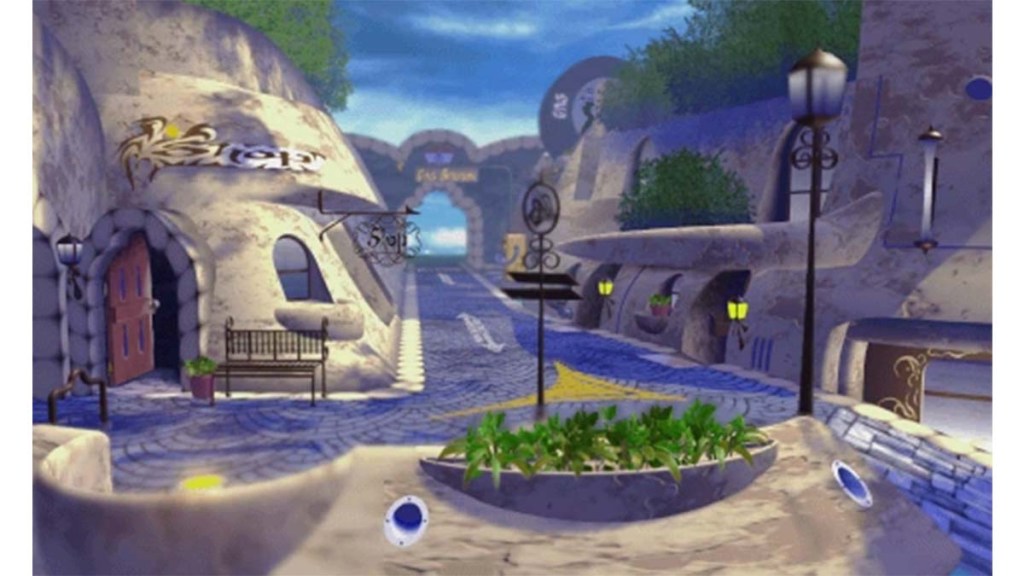
War remains ever-lingering throughout most of FF8, and the game’s beautifully-realized world does the best job a game ever could to inspire players to want to save it. A stark contrast to most classic Final Fantasy games, whose worlds are already crumbling by the time play starts.
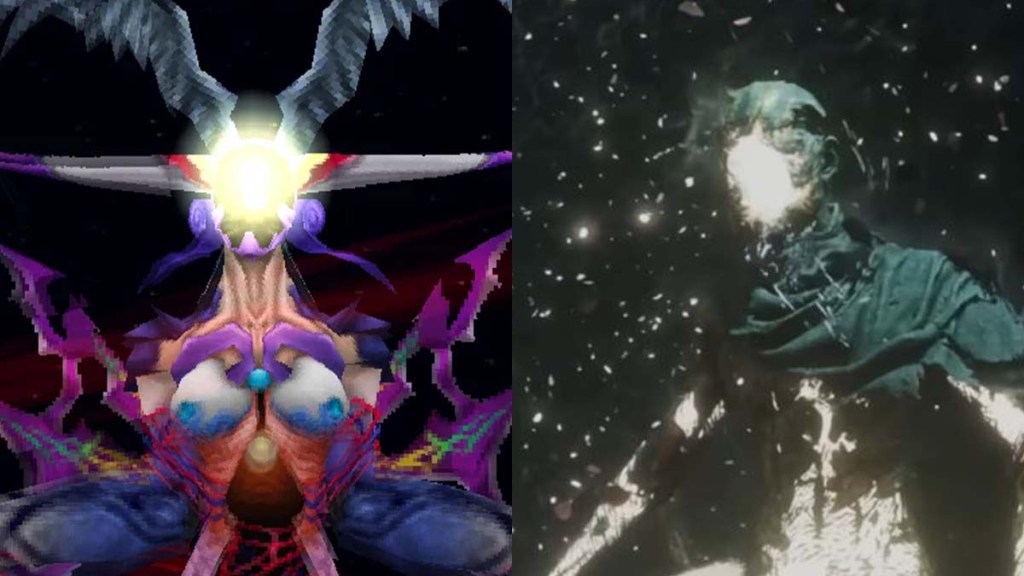
One of the main reasons E33 excels is that it learned lessons from so many of the best games, yet everything still feels fresh and original. It has Final Fantasy VIII to thank for a lot of it, a game that tried so much new stuff, succeeded at more than it gets credit for, but seemingly failed at many other things.
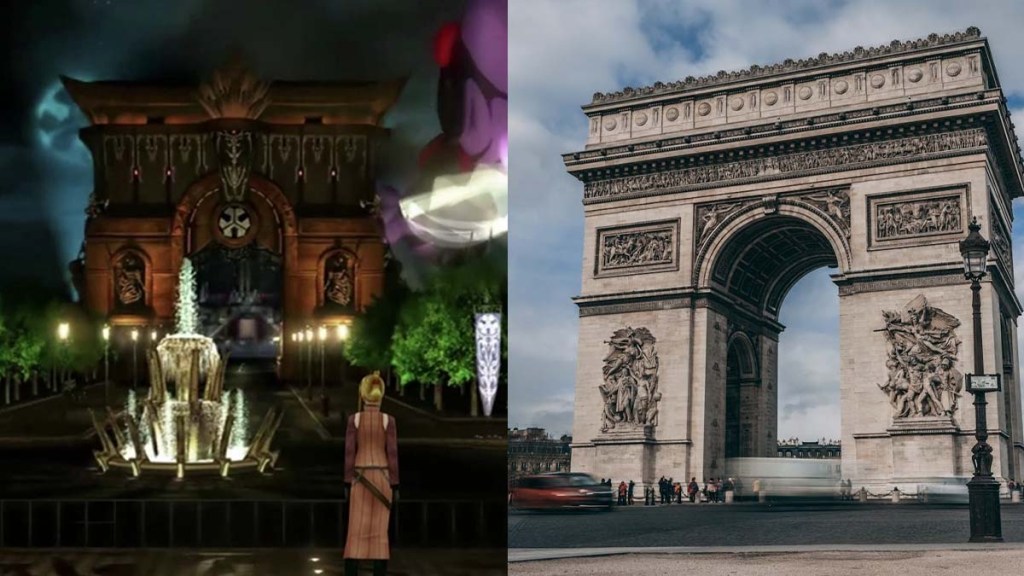
Fittingly to its wild time-travel plot, one could argue Final Fantasy 8’s devs left behind a time capsule they somehow knew would only be correctly interpreted by the French.


