


The early 2020s were a liminal space in gaming, and not just because COVID wreaked havoc on our collective lives. Apex Legends was the defiant last stand of battle royales, debuting in 2019 before the genre fatigue hit with full force and no one knew exactly what was next.
From that weird, feverish limbo arose Rainbow Six Extraction, a forlorn spinoff pitting the Rainbow operatives against zombified bioweapons called Archaeans. At its core, Extraction has a solid structure thanks to the gunplay and operators from Rainbow Six Siege, but lacks depth.
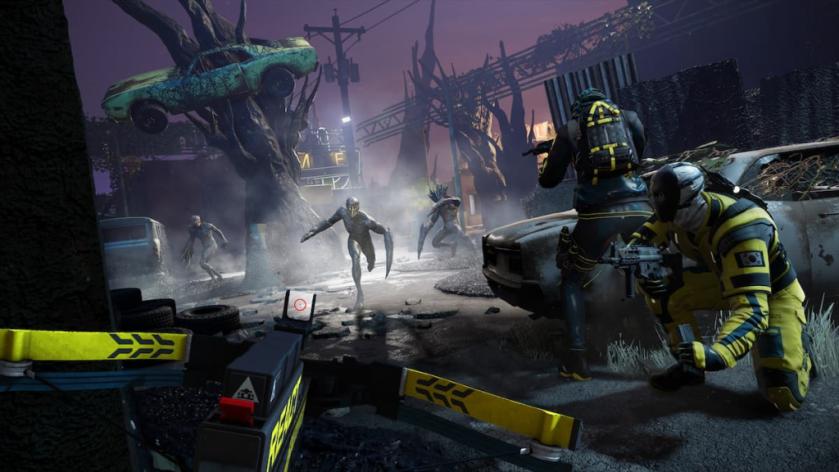
The potpourri of Rainbow Six and a Left 4 Dead wannabe makes for a fun way to kill time, but it’s hardly Game of the Year material. Ubisoft ceased development on it just about a year after its release.
Extraction released before every other game added a PvPvE component or tried a “fresh new take” on the genre, when “extraction shooter” was almost another way to say “Escape from Tarkov.” Ubisoft was treading on barely charted waters at the time, muddling through loosely defined tenets of an arcane category.
The result was like a medieval painter drawing a tiger without ever seeing one.
Instead of being an extraction shooter with heavy PvE elements, Ubisoft’s title is a PvE-focused game that slightly borrows from the extraction genre—and even that was a sizable gamble at the time. There’s no scavenging for treasure to flip, no rushing to the exit because you found a rare material needed to improve your base. The stakes just aren’t that high.
Failing to escape instead marks your character as MIA and costs some XP, and getting them back requires a full-scale rescue mission. You get a few mulligans thanks to the game’s impressive 20-operator lineup, even if it means having to bring lower-level reinforcements.
Admittedly, Extraction handles progression pretty well. Leveling an operator unlocks more weapons (drawn largely from their pool in Siege) and improves their unique gadget, giving you more charges or a smaller cooldown. Team composition also plays a role in your strategy, so you’re encouraged to level a few operators just in case you need them. But that underlying structure doesn’t matter that much when layered on top of a repetitive, almost shallow gameplay loop.
Though there is no full-fledged battle pass, the game is fairly generous with its cosmetics, offering them through missions, achievements, or in the in-game shop. Proteans—a special boss archaean that mimics operators—may drop unique skins for each character, and the weekly higher-difficulty missions award some premium currency. There is something to grind for, but it’s not enough to carry the game.
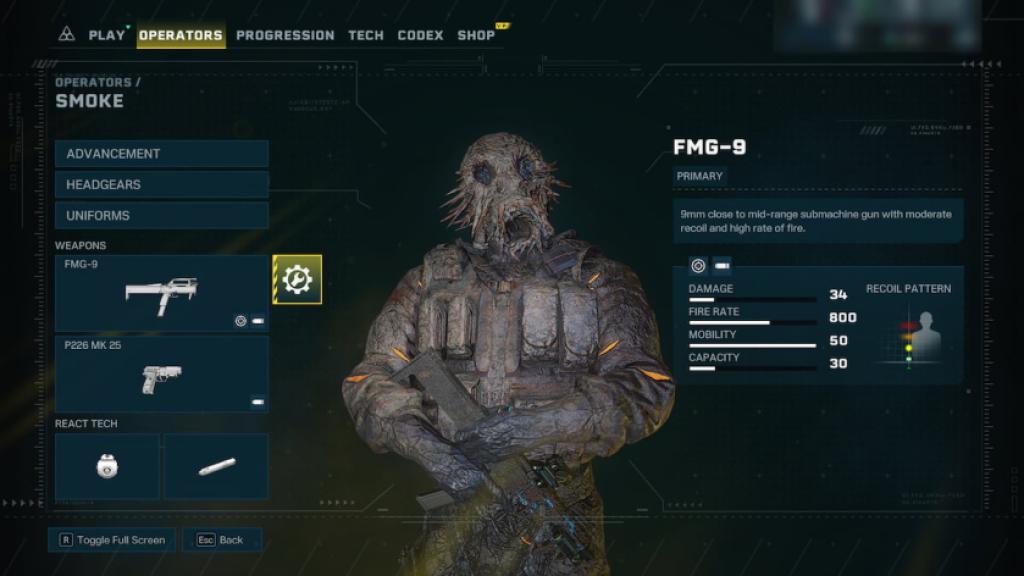
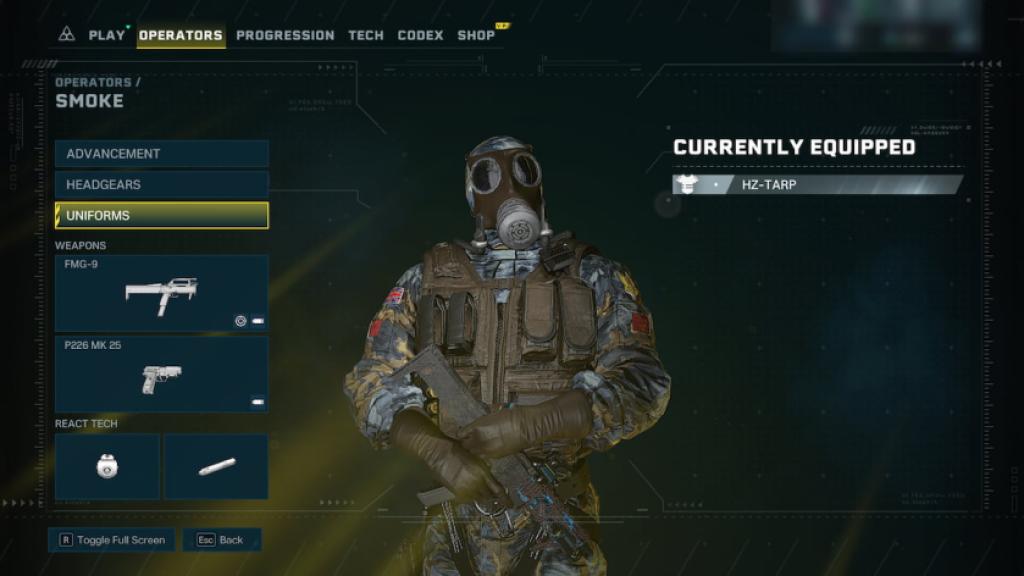
Rainbow Six Extraction fails to stick to what we now know as key genre components. The release of ARC Raiders doesn’t miraculously make Extraction a masterpiece, but its category became far more commonplace after Embark’s blockbuster broke containment.
In fairness, Extraction wasn’t meant to be a full-fledged extraction shooter. It expanded on Siege‘s limited-time Outbreak mode and was called Rainbow Six Quarantine before Ubisoft changed its name due to the COVID pandemic (good call there, Ubi). But shoehorning elements from the industry’s next big bet—including its name—wasn’t just a coincidence.
If Rainbow Six Extraction were in development today, it would be a lot easier to justify the investment in making it bigger and bolder, adding the depth it so desperately needs. An extraction shooter without looting or basebuilding, by today’s standards, is at best fighting an uphill battle.
If Ubisoft announced a sequel tomorrow, it would be chasing a trend. ARC Raiders and Marathon could serve as inspiration for what works (and, more often, what doesn’t), dissolving the fear of more complex systems. Extraction’s PvE-only focus could also serve as an approachable introduction to the genre or funnel players into Rainbow Six Siege.
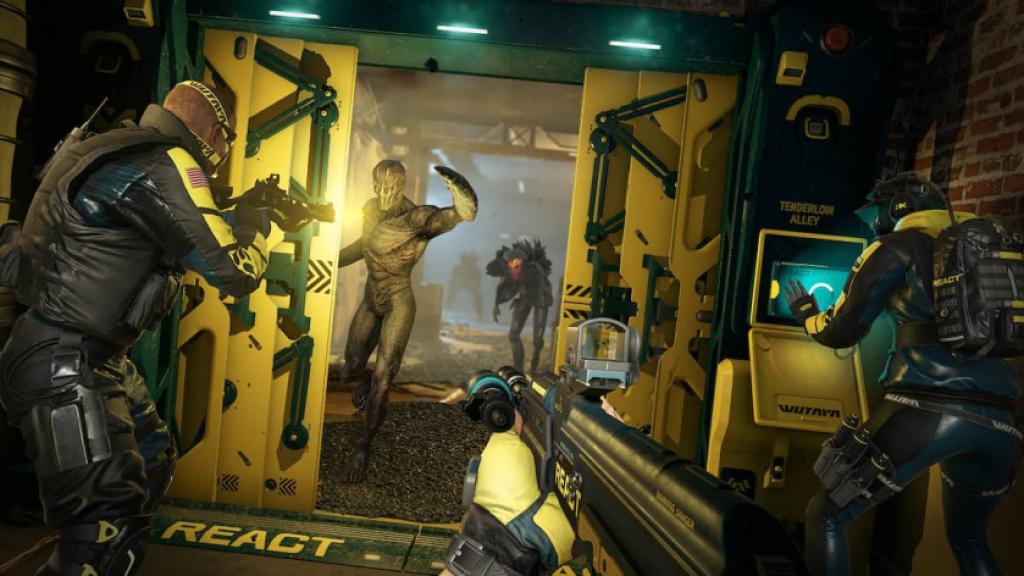
But selling fans on Extraction was already difficult the first time around, and you don’t get a second chance to make a first impression. Convincing players that trust us, we’ll get it right this time can be tough on any developer, and Ubisoft isn’t exactly overflowing with goodwill.
Even if the winds are more favorable now than they were four years ago, Ubisoft isn’t likely to make room for a hypothetical Rainbow Six Extraction franchise. The publisher wasted a big chance by being too quick to the punch, making something too narrow in scope and too shallow in gameplay to make an impact.
Siege’s zombie-ridden sibling is MIA, and I doubt anyone is coming to its rescue.


