


The Separate Ways DLC for the Resident Evil 4 remake is out and is yet another home run for Capcom. It expands on the original concept by further fleshing out Ada and Luis’s roles in the base game. It also properly reintroduces Albert Wesker into the series as Ada’s client.
Most importantly, it also means the return of Ada Wong as a playable character. She’s someone who’s even more confident than Leon is, using her charisma and spy gadgets to come out on top. When she isn’t wooing everyone around her, Ada swings around like Spider-Man with her grappling hook, making investigations a breeze with her contact lens scanner.
Despite Separate Ways not being a part of the main game, the remake includes several set pieces missing from the base game including the famous laser hallway. Other inclusions don’t have a direct parallel but reminded me of earlier Resident Evil 4 builds. These could be a coincidence but also could be a nice way to repurpose unused concepts.

Resident Evil 4 was always a little more stylish than other entries
Resident Evil 4 was many things before its eventual 2005 release. After the PS1 trilogy cemented Resident Evil as a popular franchise, the fourth mainline game began development in 1998.
This original version of Resident Evil 4 deviated more from a survival horror title than the final release version by being a “stylish” action game. Director Hideki Kamiya envisioned protagonist Tony Redgrave as a cool guy with superior intellect and superhuman strength.
Capcom intended this to be its PlayStation 2 debut, but trouble brewed over the premise deviating too much from Resident Evil. Producer Shinji Mikami eventually put his foot down and had Kamiya’s project become its own franchise.
This was how Devil May Cry was born, but some stylish action remains in Resident Evil 4. Between Leon’s swift kicks, suplexes, and cinematic knife fight against Krauser, echoes of the stylish action RE4 remain. It’s even more evident in Separate Ways with Ada making liberal use of her grappling hook in combat. The idea is an extension of melee attacks but is remarkably satisfying to use and speeds up fights significantly.
Playing through the DLC scratched an itch for me surprisingly close to what I’m looking for out of a stylish action title. Leon is cool to control, but Ada is downright stylish when zipping toward a Ganado and delivering devastating kicks.
As I mentioned, these are echoes of this version and it’s unlikely any similarities are intentional at this rate. Devil May Cry is a successful franchise in its own right, carving out its own identity as Capcom’s stylish action franchise.
Much of Resident Evil 4‘s over-the-top combat comes from single button presses and cutscenes, so the similarities run skin-deep. More trace elements are noticeable when comparing RE4 to its other builds.
All RE4’s scrapped builds become something else except one
Builds after the initial “Stylish” Resident Evil 4 introduced Leon S. Kennedy as the protagonist and slowly morphed into the final game. The first of these was called the “Castle” build and introduced ideas such as Leon being infected with the Progenitor virus. A woman and her dog companion accompanied him as he explored Umbrella HQ.
Technical issues scrapped this version of the game, with the headlining Black Fog enemy proving too taxing on GameCube hardware. Just as with the previous build, this too evolved into its own game with Haunting Ground taking the woman and dog and making them the lead characters.
It also bleeds nicely into the “Hallucination” or “Hook Man” build of Resident Evil 4. This is arguably the most famous scrapped Resident Evil 4 build since it has solid gameplay footage available. Initially introduced to combat technical limitations, this build has Leon suffering from horrid hallucinations thanks to his infection.
The most prominent of these is the ghostly Hook Man who stalks Leon. Technical limitations would again be this version’s downfall since it revolved around a mechanic where two versions of any room would load simultaneously.
Every Resident Evil 4 build salvaged ideas for future versions or other games, with Ganados recycled from the “Zombie” build. Despite its fascinating concept, the “Hallucination” build was the exception to this. That is until the Separate Ways DLC.
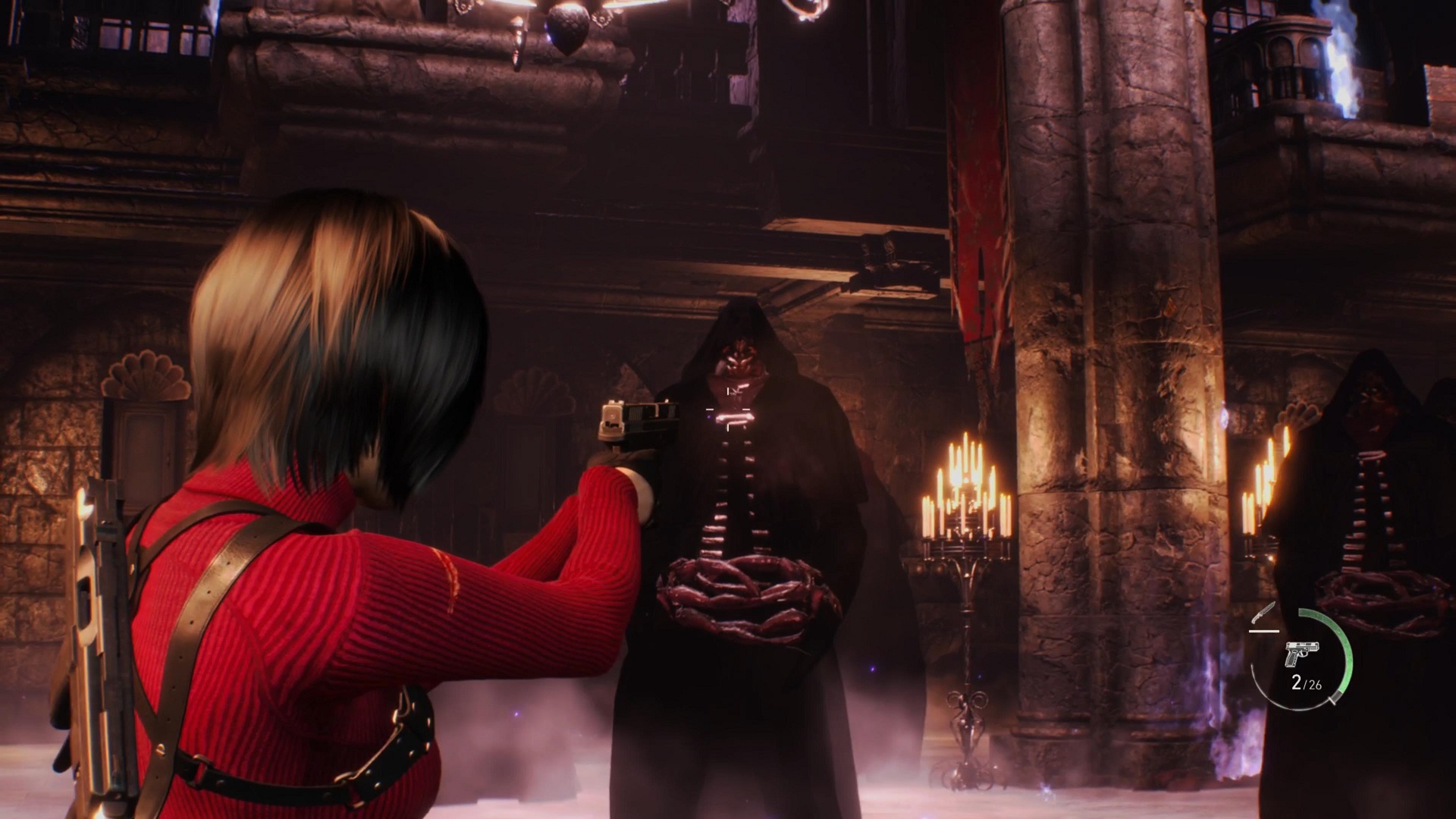
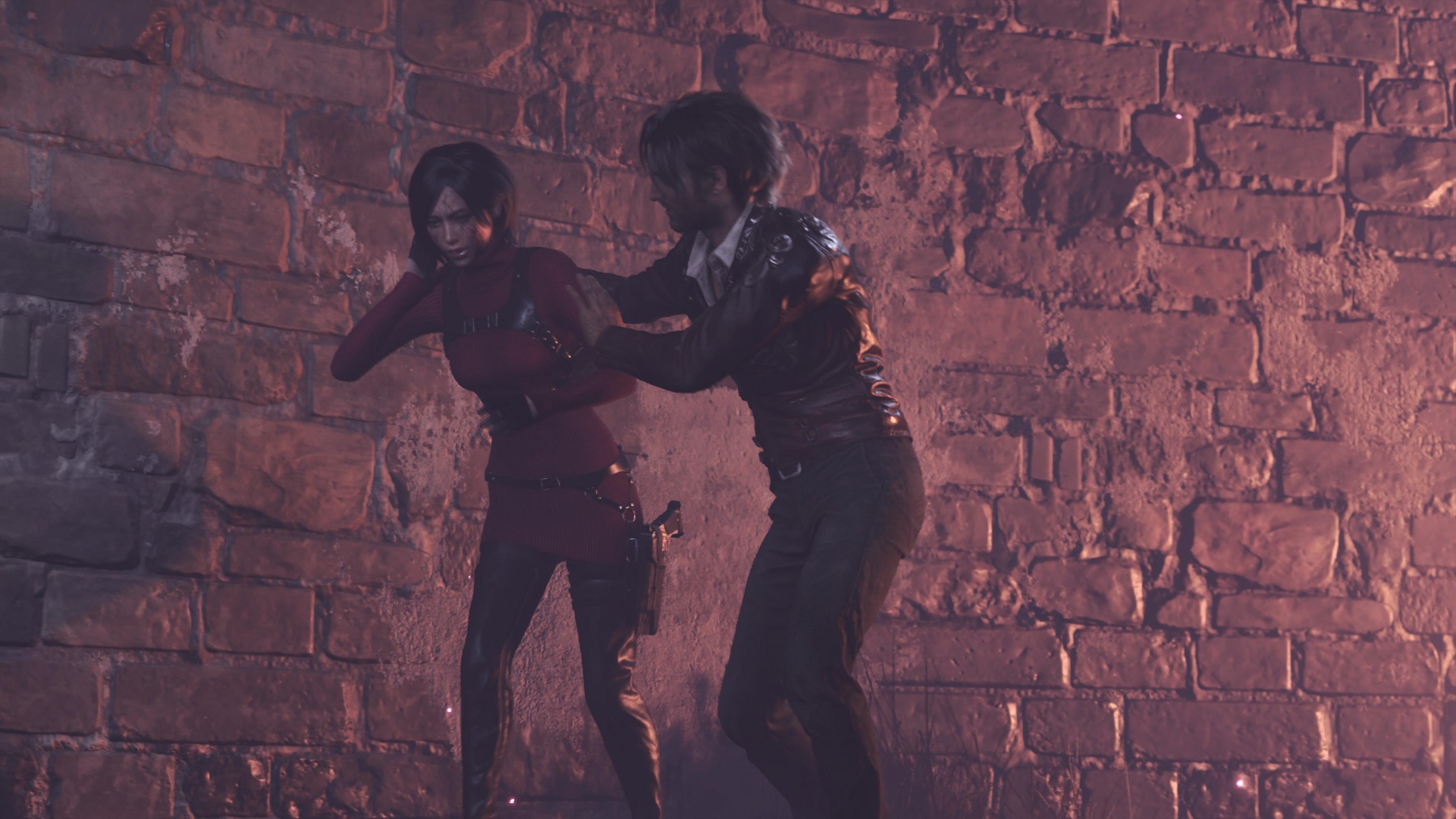
Separate Ways’ biggest plot change is Ada’s infection, something that never occurred in the original game, and reintroduces the hallucinatory elements in the plot. Despite being the very same Las Plagas plague infecting Leon and Ashley, Ada’s variant causes hallucinations by the monster Pesanta.
Why do Ada’s hallucinations matter?
Other Resident Evil titles have hallucinatory scenes, including Leon hallucinating at one point in the RE4 remake; but Separate Ways’ take has a direct impact on gameplay. Before receiving Luis’s medicine, Ada contends with multiple hallucinatory fights against Pesanta. Fog shrouds areas as multiple Pesanta copies attack Ada, and can cause harm.
Any parallels between the “Hallucination” build and Separate Ways is likely a coincidence. It could be me looking too deeply into something that isn’t there. There are, after all, several distinct differences between these titles.
The RE4 build was the title’s entire premise. Hallucinations were part of the story, but they were also many of the scares and all the enemies fought. It was supposed to be a pseudo-supernatural take on the series with a psychological element.
Resident Evil 4 is awesome and so is Separate Ways. It rides the line between cheesiness and genuine coolness while providing an addictive gameplay loop, and I wouldn’t want it any other way. Yet I still wonder what a final version of RE4‘s “Hallucination” build looks like. If executed well, it could have caused players to always stay on guard in case the environment turned hostile.
I see a glimmer of that in Separate Ways’ Pesanta fights. The concept is simplified and repurposed into a boss, but the hallucinations harming Ada reminded me of the 2003 demo. Just as the DLC repurposed cut moments from the original, fighting hallucinations caused by a virus could have been inspired by something that never made it into any version.
Fighting Pesanta I wondered why the hallucinations caused harm like the ones from that scrapped build. I realized then that sometimes it’s fun if the answers aren’t hidden away in a secret file, and it was nice remembering when Resident Evil almost took a supernatural turn.


