


Fears to Fathom, known for scaring its participants with real life horror encounters, proclaims every episode in the series is based on true events.
Sure, names, dates, and the setting are likely altered for confidentiality, but there’s always that question: Did the events in Fears to Fathom actually happen to somebody?
Marketing strategy
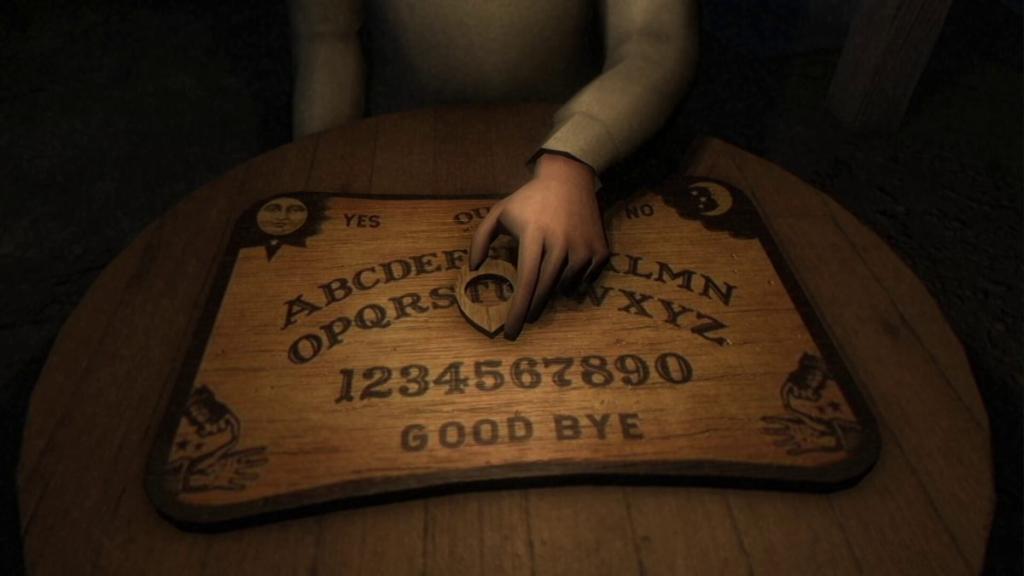
There was a time when horror movies terrified viewers with the almighty disclaimer that what you were about to watch was ‘BASED ON A TRUE STORY.’ The Blair Witch Project drastically changed the horror viewing experience and popularized the found-footage genre, where audiences went into Blair Witch in 1999 fully believing they were watching genuine footage of the supernatural. Of course, as time went on we all knew better when the based-on-a-true-story sign popped up in a horror movie trailer.
Fears to Fathom uses this very strategy and even asks the player to send the dev, rayll, their own horror experiences. Each episode since the release of Home Alone in 2021 has allegedly been inspired by a person emailing in their experience.
While it’s clever, it does tell everyone tuning in that the episode is a retelling of events. This removes the stakes for you know the protagonist always survives, however, it doesn’t lower the tension or creepiness each episode provides.
Is Fears to Fathom based on true events?
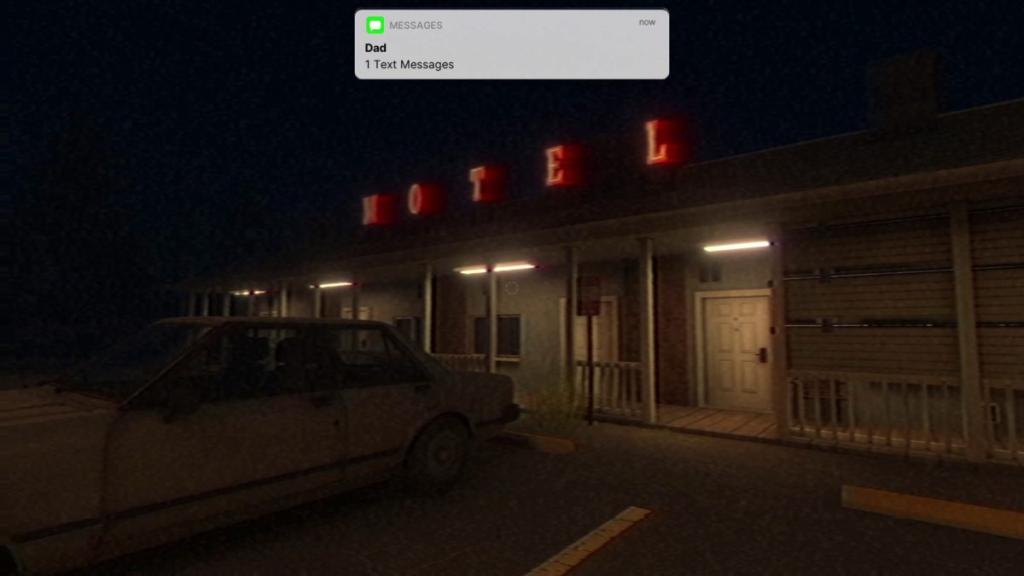
What we can say for certain is that none of these episodes happened exactly the way rayll tells us. Fiction inspired by true events is dramatized and exaggerated for entertainment purposes. Now, this doesn’t necessarily mean rayll is creating games based on real people emailing in. It’s possible that the developer is finding inspiration from real events and doing a spin on them.
The most obvious case that Fears to Fathom series isn’t real is in Norwood Hitchhike. Though set in 2010, it’s likely a reference to the serial killer, Larry Ralston, who targeted women between 1975-77.
It’s important to check whether there has been any news covering these stories. A quick Google search of details on the crime will tell you that none of the episodes thus far have been real cases. Yet the episodes cover breaking and entering, home invasion, cult sacrifices, and stalking with murderous intent.
There are similarities between episode three’s Carson House with YouTuber, Mr. Nightmare’s 3 True House Sitting Horror Stories, which were allegedly true stories sent in by subscribers.
It’s all connected
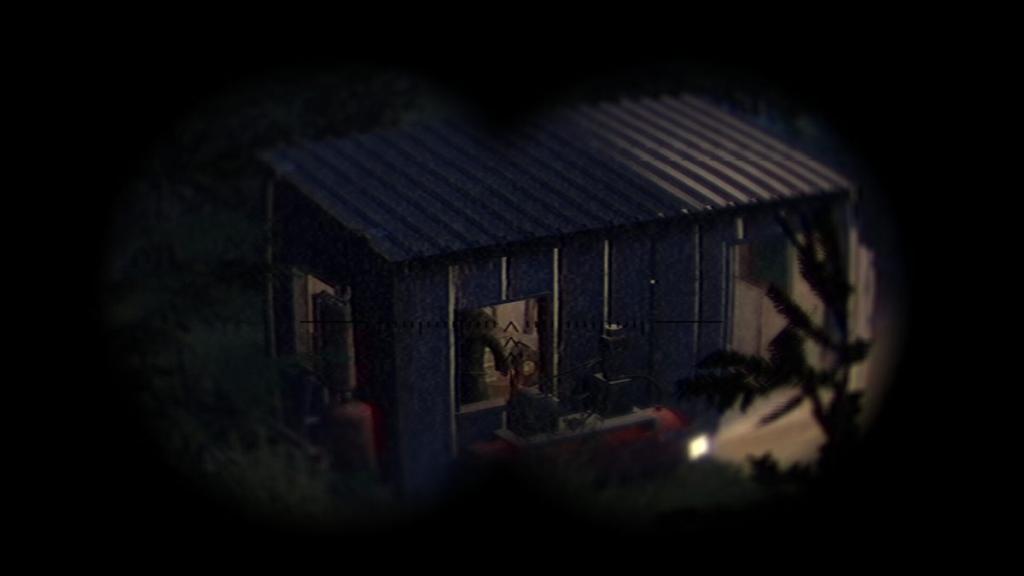
The latest episode, part of the [Together] series, connects Ironbark Lookout and Scratch Creek as it follows the same cult, meaning we officially have an in-game universe for this series.
The events in Ironbark Lookout took place in 2002, and we don’t have a date beyond April 20XX for Scratch Creek. As hidden as they may now be, cult-related crimes post-2000s are bound to hit the news if there are witnesses to them. Neither Scratch Creek nor The Covenant of Old Scratch is real. This could be to keep everything anonymous but it would be truly bizarre to protect a seemingly secretive and unbelievably racist cult when we’re all aware of the Ku Klux Klan. It’s clearly a fictitious take on creepy cults—a popular plot device in horror.
Inspiration can come from emails sent to rayll or posts on r/nosleep, where all submitted “real stories” have questionable credibility.
Fears to Fathom feels real, even if it isn’t
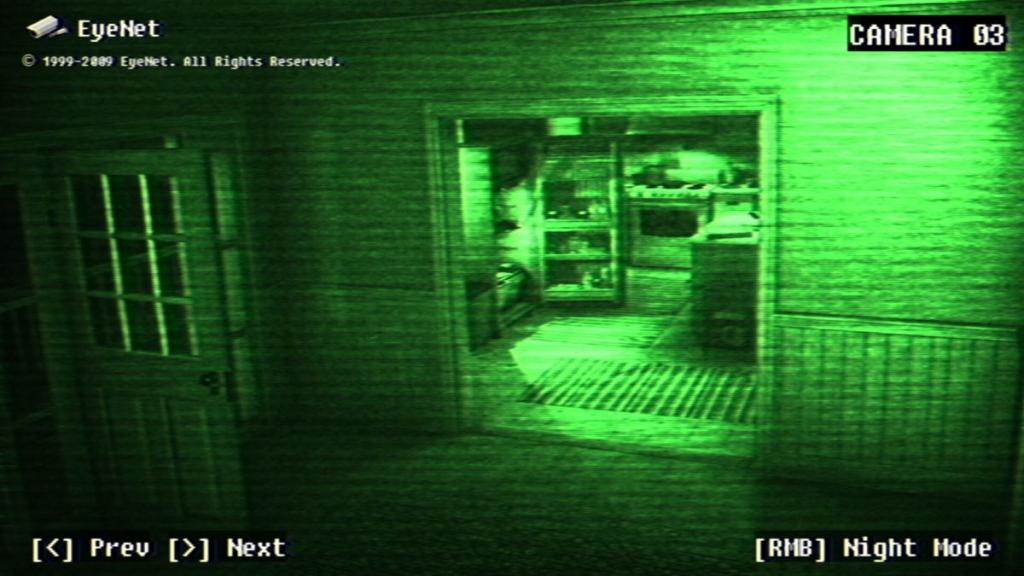
Though Fears to Fathom depicts very real horror that could happen to anyone, you must suspend disbelief while playing, as some questionable and unrealistic things occur. For example, in Home Alone, the home invader is inside the house and then teleports to the front door in a flash. It’s a simple and effective way to disturb the player, but we all know this couldn’t happen.
Fears to Fathom aren’t real stories, but they are realistic tales that could happen to anyone. This is why the series works so well. Though on the rarer side, people could deal with stalking, home invasion, murderers, and, in some extreme cases, sacrificial cults. Whether rayll believes in the sent stories or uses them as inspiration to create fictional dread is uncertain. But don’t let the truth put you off the inherent creepiness of Fears to Fathom.


