


Last night I completed the second season of Gen V, a spinoff of The Boys show set in the same universe and tying into its overarching story. Prompted by Dispatch toward this strange genre, I suddenly realized there are very few stories like it, especially among video games.
In the realm of TV shows, there are actually quite a few of these so-called “subversive superhero” stories. Most of them come from comic books, which is only natural given the sheer dominance of superheroes in the medium. These include The Boys and Invincible as the most prominent examples, both as comics and as TV shows, but we’ve now also got Peacemaker and Gen V to boot.
I know Peacemaker, the hero, is of a DC comic, but the story of James Gunn’s iteration is entirely original and ties into the broader DCU, which, to a good extent, exists on its own and is separate from the comics.
All of these give us new takes on superheroes: they are deeply flawed, self-centered, ambitious, and outright destructive, which in the case of The Boys and Gen V takes on a whole new level of gruesomeness.
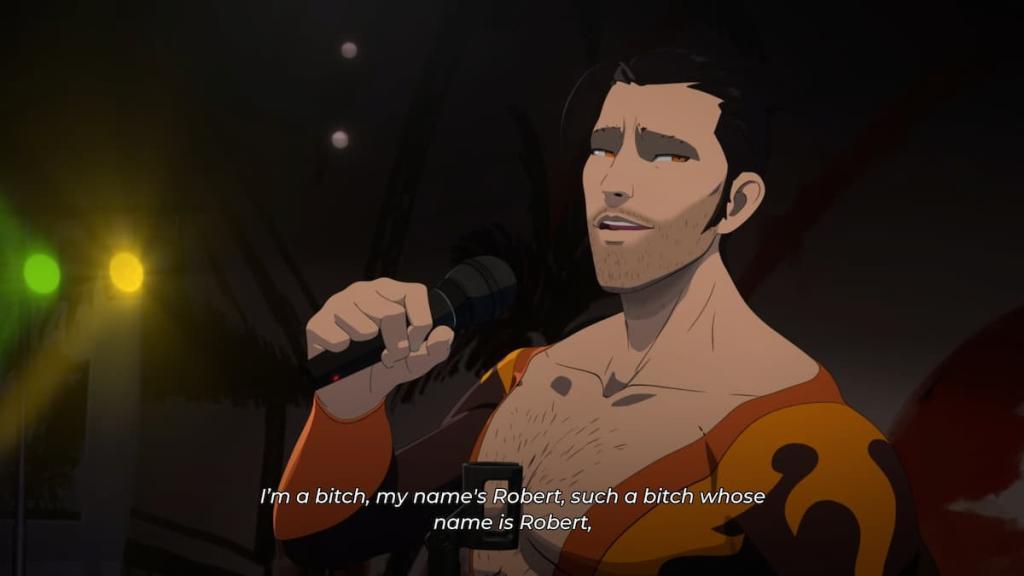
While Invincible‘s heroes are as traditional as they come with a good dose of violence mixed in, The Boys and Gen V up the ante in almost every possible way, showing every hero as someone with horrifying fetishes and disgusting desires, almost as if mocking the very notion of “super” heroes. Well, not almost, because that’s the stated intention of the comics, but you get my point.
Either way, both Invincible and Peacemaker, with more traditional heroes coupled with a serious tone and thematic depth, and The Boys (and Gen V) with their outright hatred of capes and costumes, fall under the “subversive” category, where we don’t have Mr. Nice Guy with an S on his chest coming in to save the day time and again.
Dispatch is similar in many ways. Yeah, we have our army of good guys, but also an entire correctional program for villains who cannot reconcile with their own powers, instead turning to crime and destruction while trying to find their spot under the sun. It’s deep, emotional, and character-oriented, and is primarily similar to Invincible and Peacemaker in these regards.
It deconstructs the superhero and transposes them from an all-powerful killing (or saving) machine and places them within a corporate and state structure that desperately wishes to control and, as is the case with the SDN’s crew, to “reform” them into what “heroes” are supposed to be.
It’s in many ways more mellow and easygoing compared to the TV shows I’ve mentioned above, which isn’t to say it doesn’t have thematic depth and tons of emotional charge.
But what I had come to realize watching Gen V after completing Dispatch and every other show in question is that there aren’t many stories like them. Video games, especially, are sparse when it comes to subversive superhero stories. Outside of maybe Infamous and Dispatch, there aren’t many examples (even fewer good ones) of such genre deconstruction.
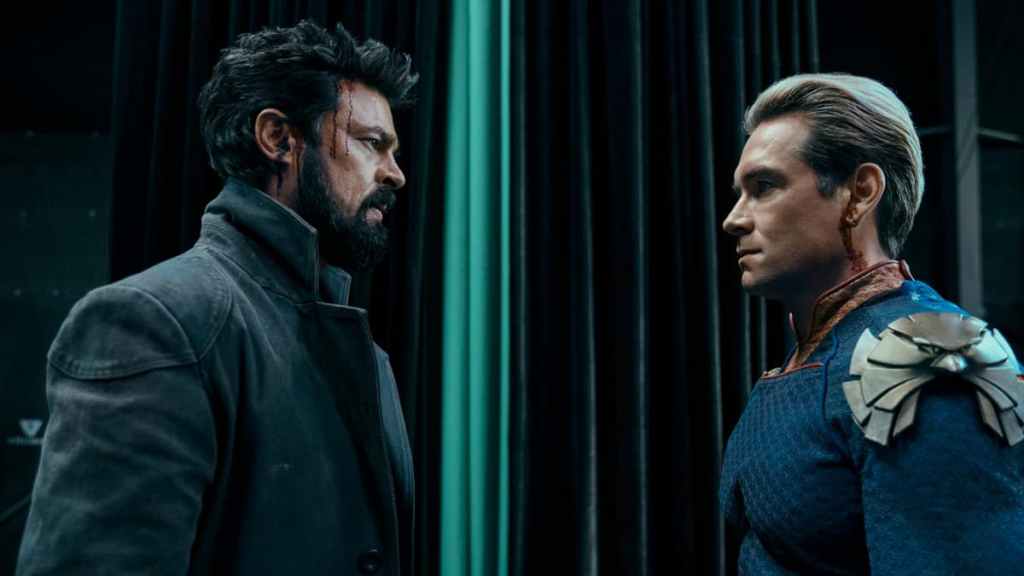
Marvel initially went down that path by showing us its MCU cast as flawed, troubled, self-interested or striving to do better, but it eventually deconstructed its own deconstruction and ended up with the same, jaded old superhero “good vs. bad” dichotomy of which, frankly, everyone’s had enough.
By transposing this dilemma and deconstruction into video games, we could reach new heights. Watching a story unfold is one thing, but actually reaching in and modifying it is something else entirely. Why wouldn’t you be given a chance to take control of such a flawed hero (or world), lead them down a path of destruction or mayhem, or maybe elevate them from that dread?
Whereas The Boys pokes fun at contemporary culture and politics and tries to criticize modern media addiction and the power of corporations, some video games could take on different stances, instead choosing to satirize other aspects of our society and culture. There are options here, limitless options, that could serve as critiques of power, identity, the sense of self, politics, you name it.
The groundwork has been laid, but no one seems to want to pick up the shovel.
Dispatch, however, was the first step (or rather leap) in the right direction. It showed people cared about genre subversion, so long as it’s done subtly, thoughtfully, and artistically. Characters are the main drive here, as it is through them that we see the criticisms and satire. Institutions like the SDN, or Vought in The Boys, or the CIA in Peacemaker also serve as “characters” in their own right.
I’m absolutely fascinated with the potential of this subgenre. Hopefully, developers recognize it, too, and start producing meaningful stories within a framework that allows for some of the richest storytelling imaginable.


